
Last updated November 25, 2026
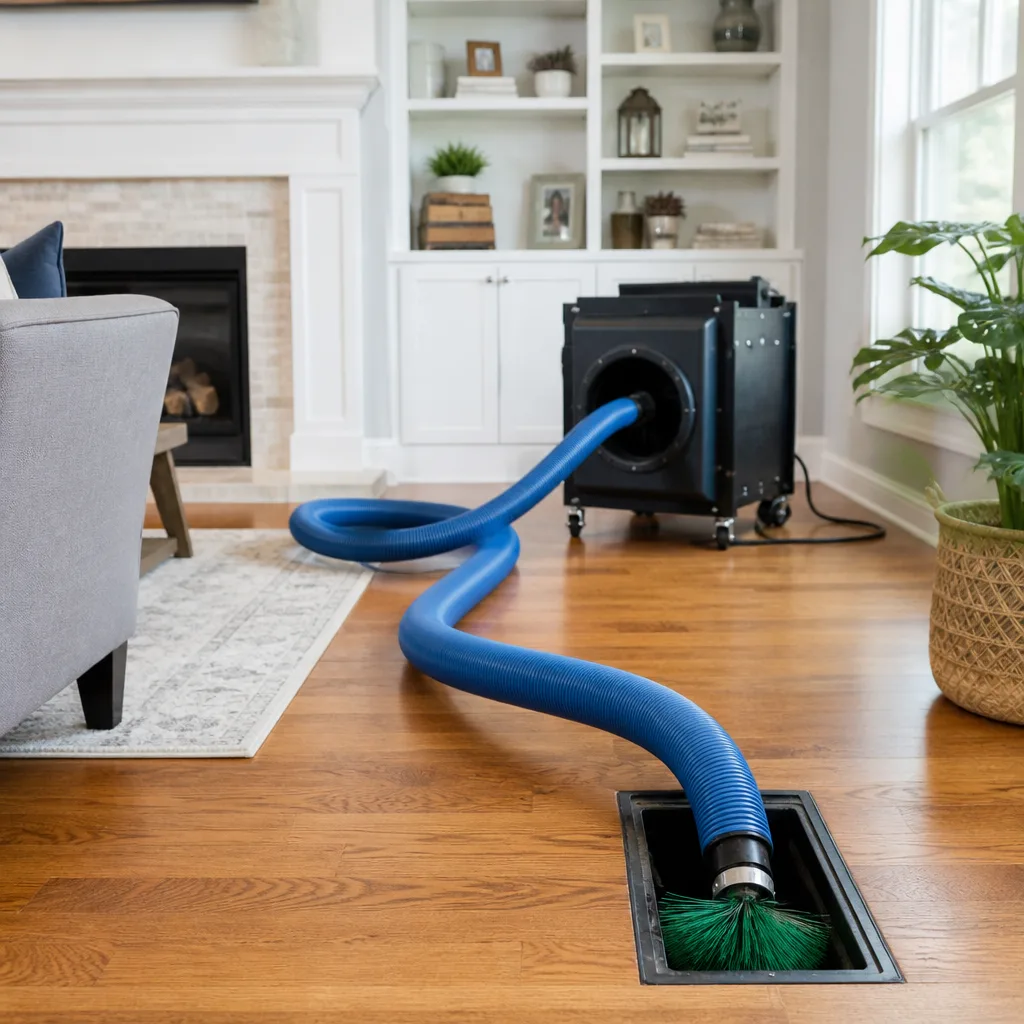 Whole-home duct cleaning
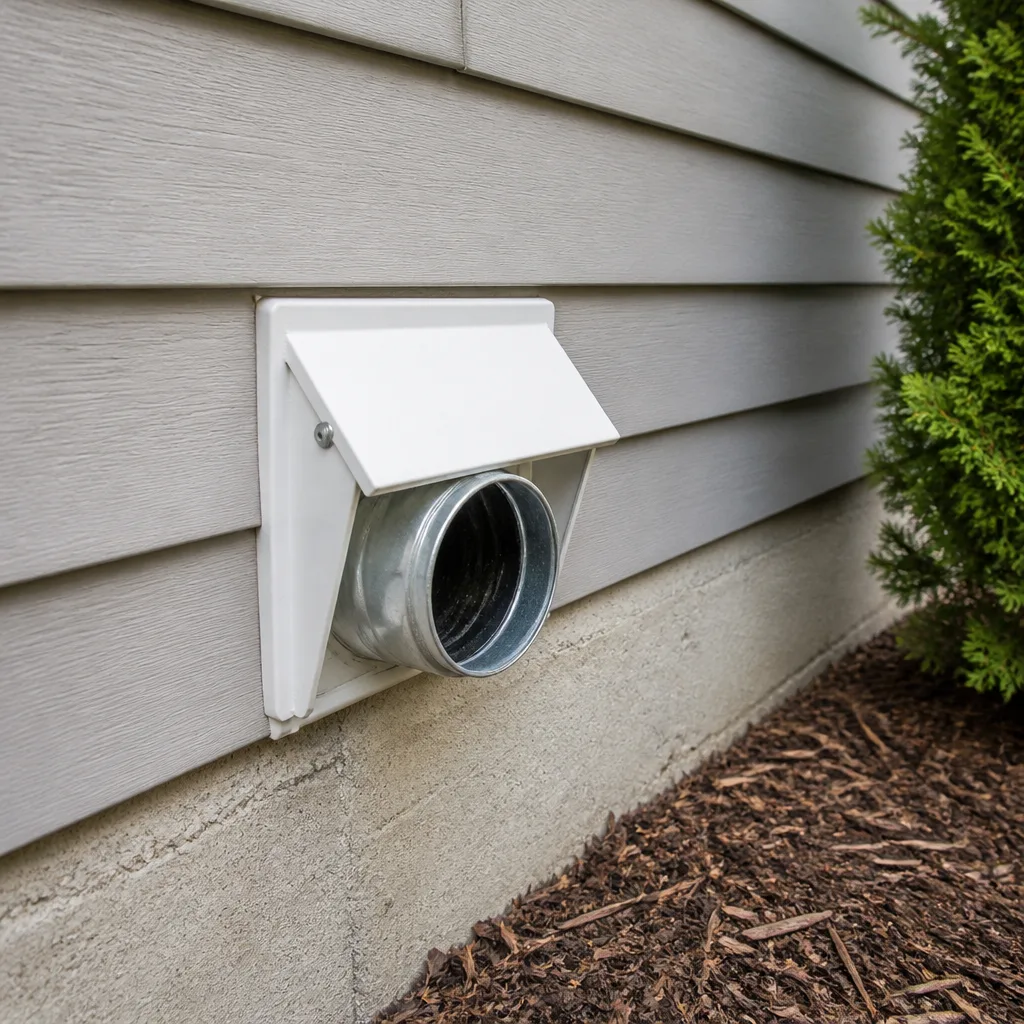 Dryer vent cleaning
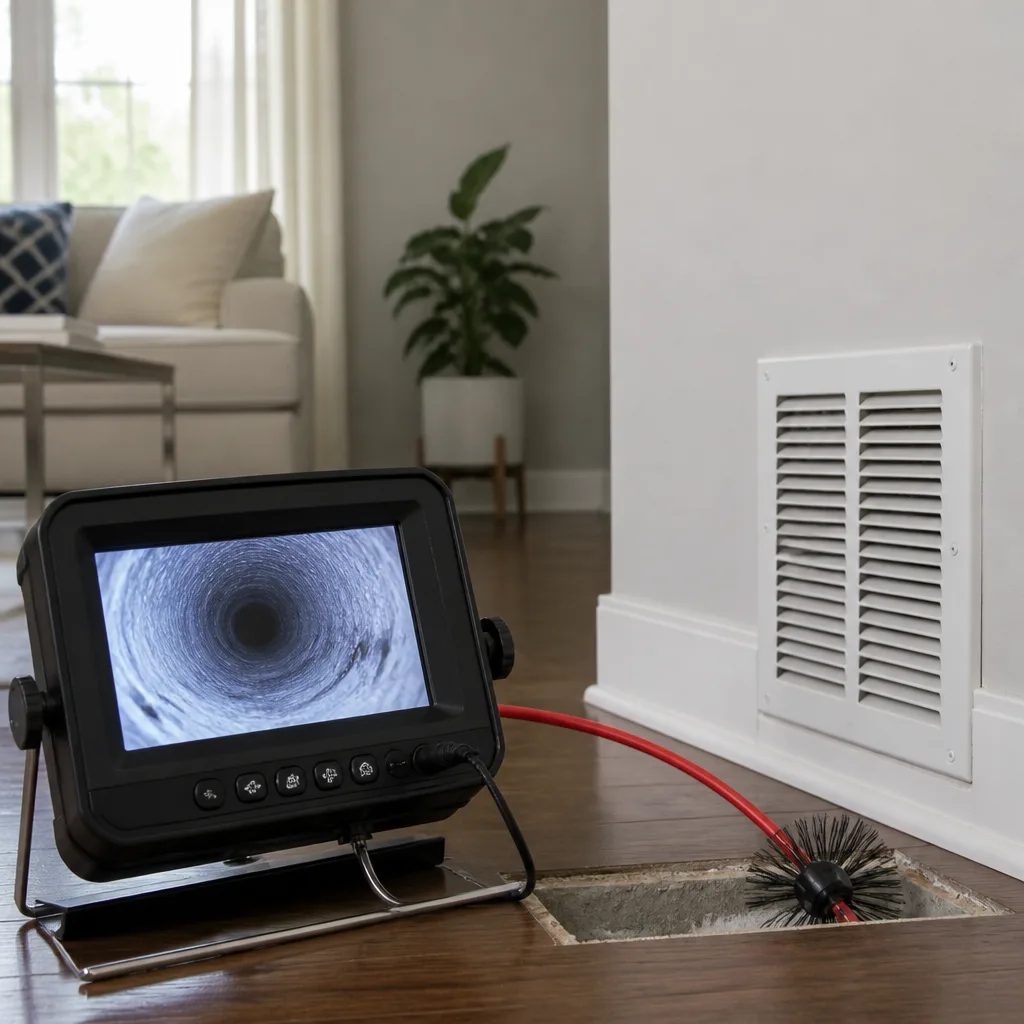 Camera inspection
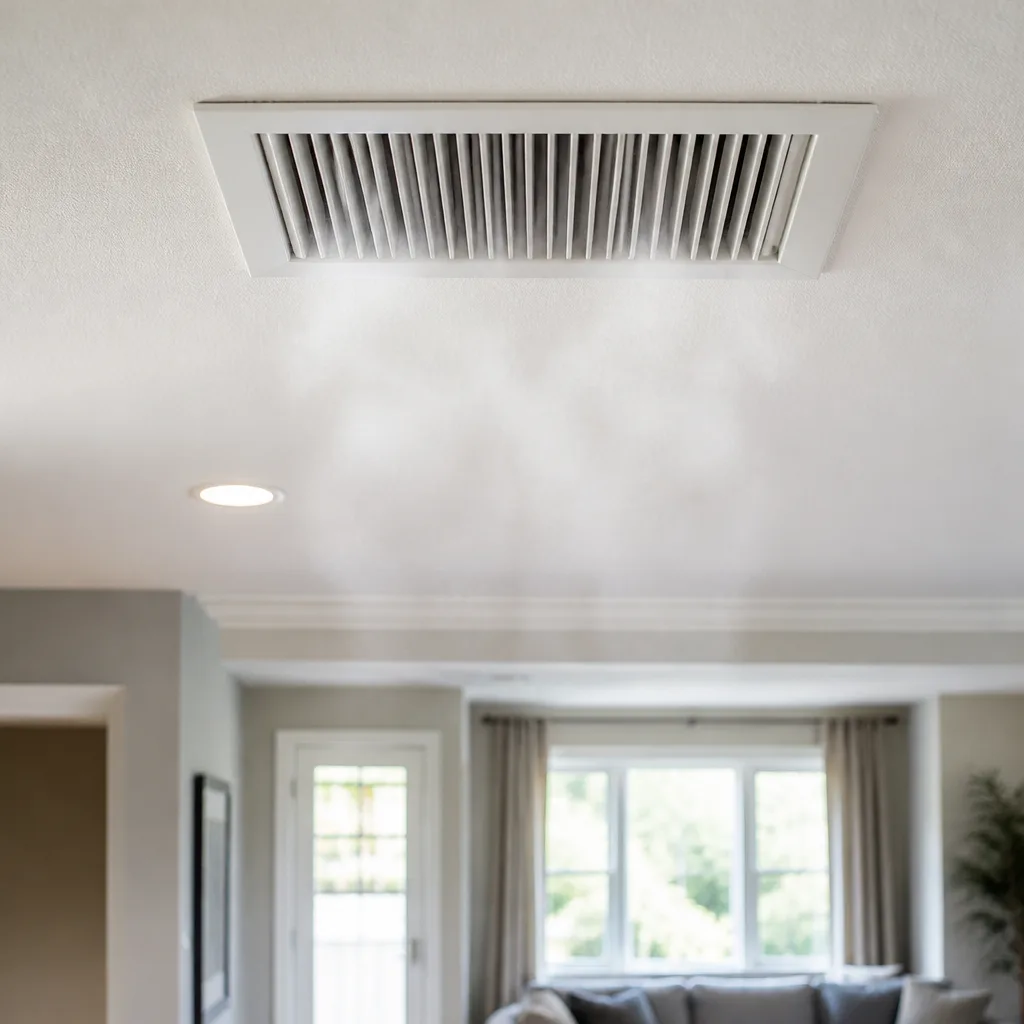 Sanitizing & deodorizing
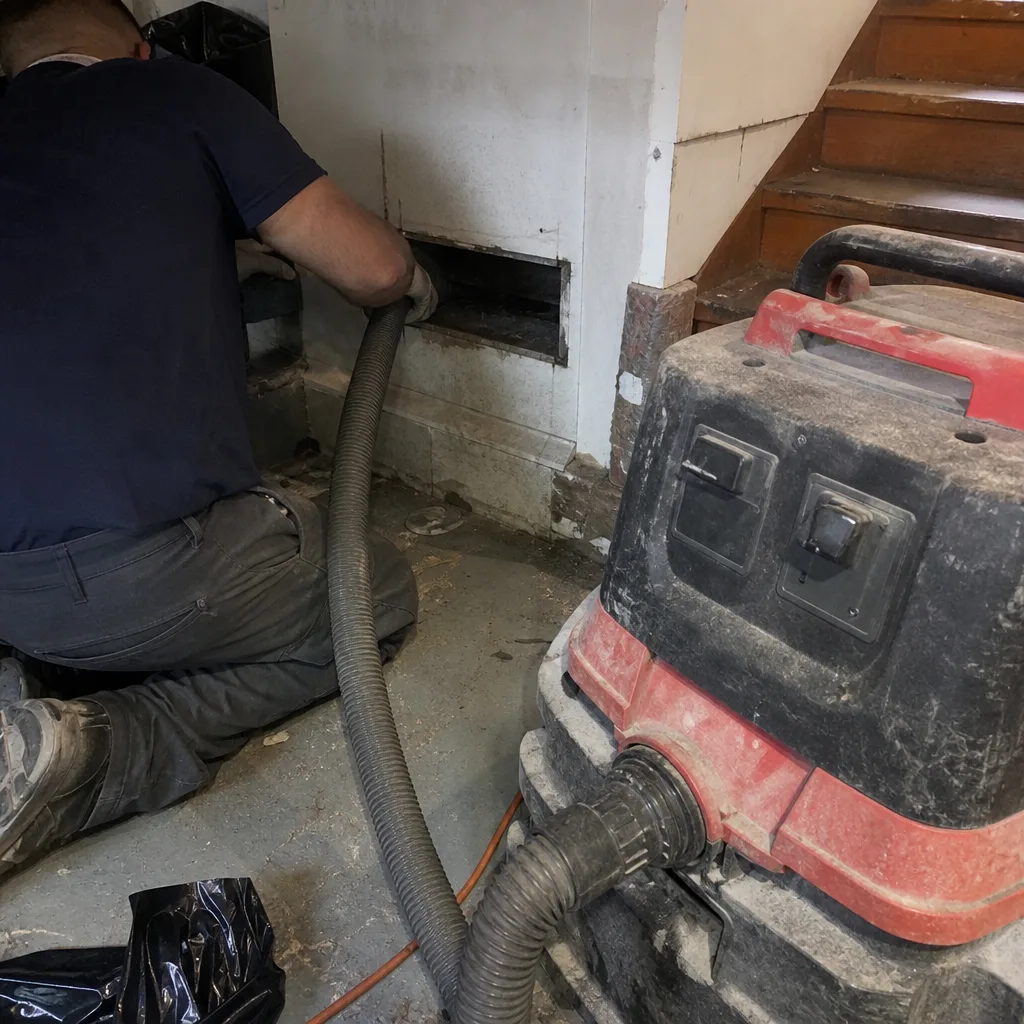
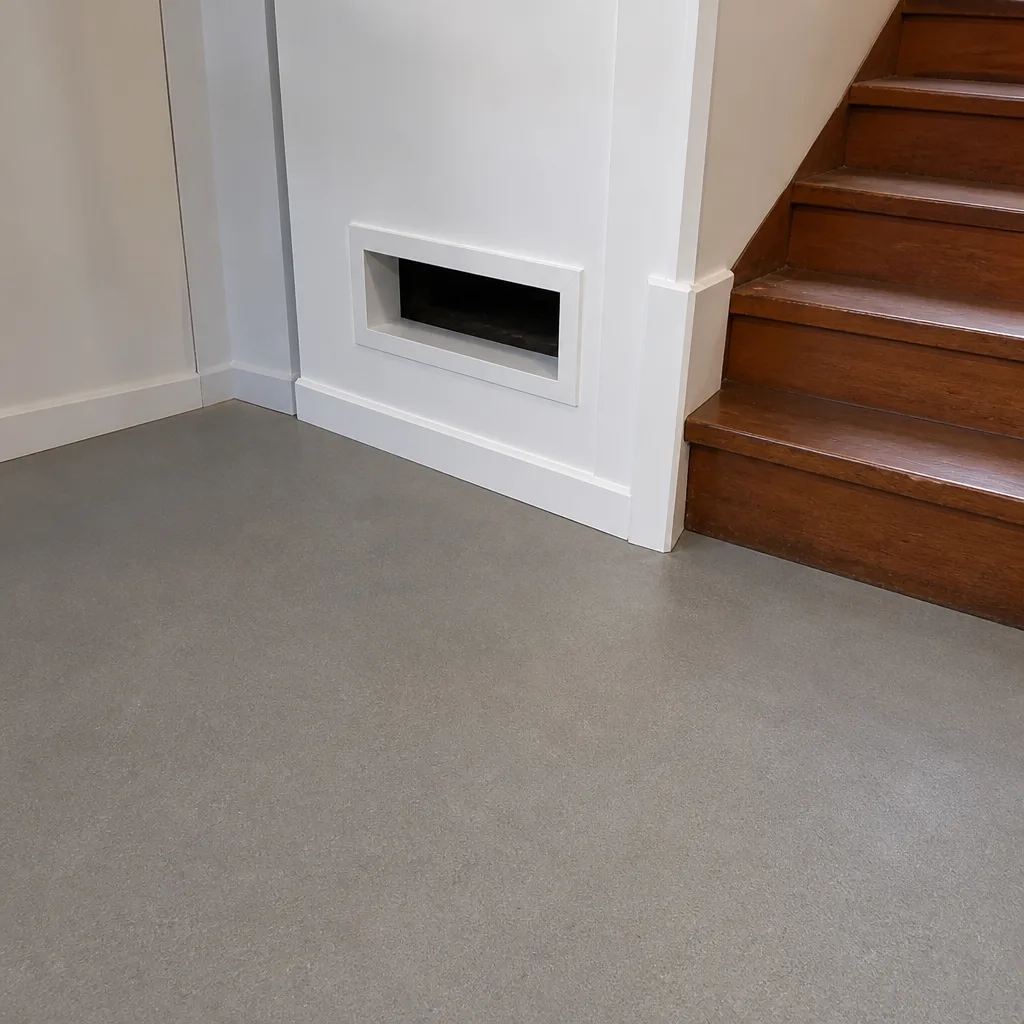
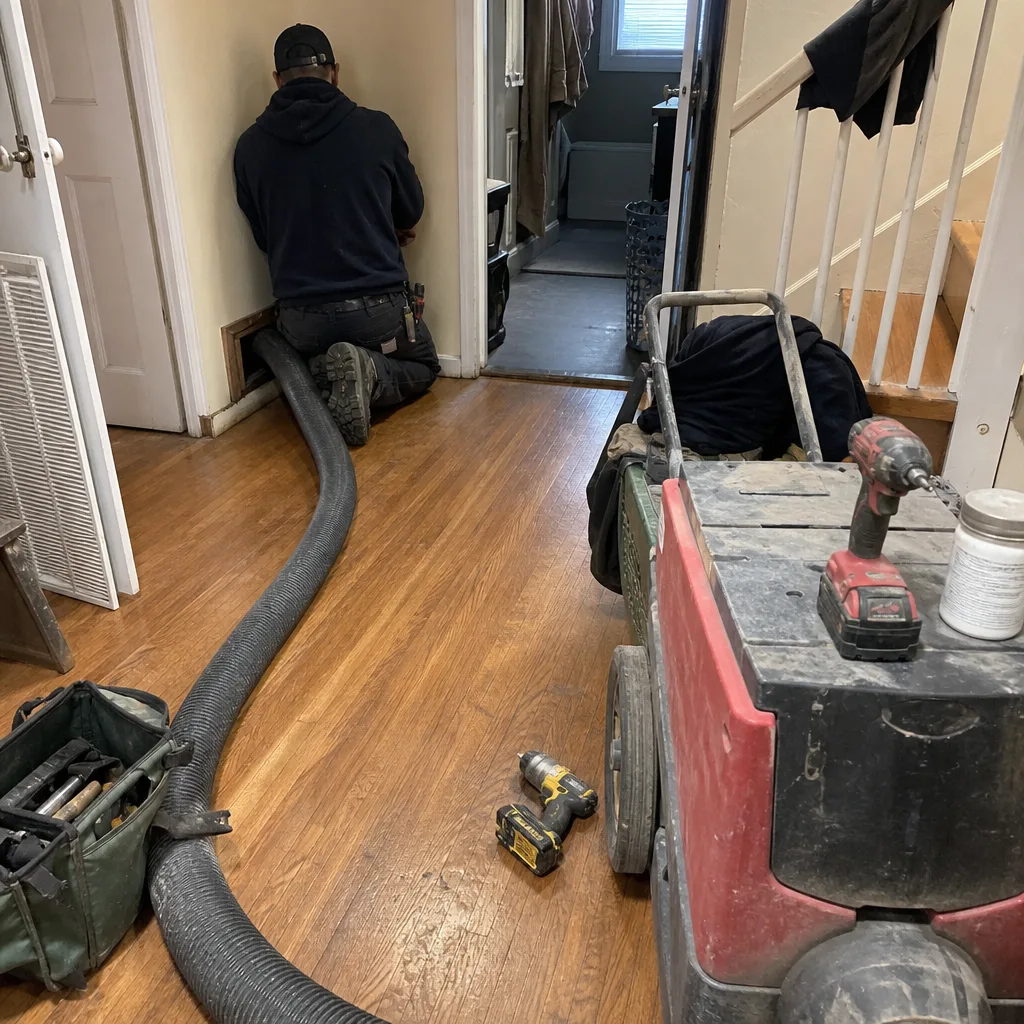
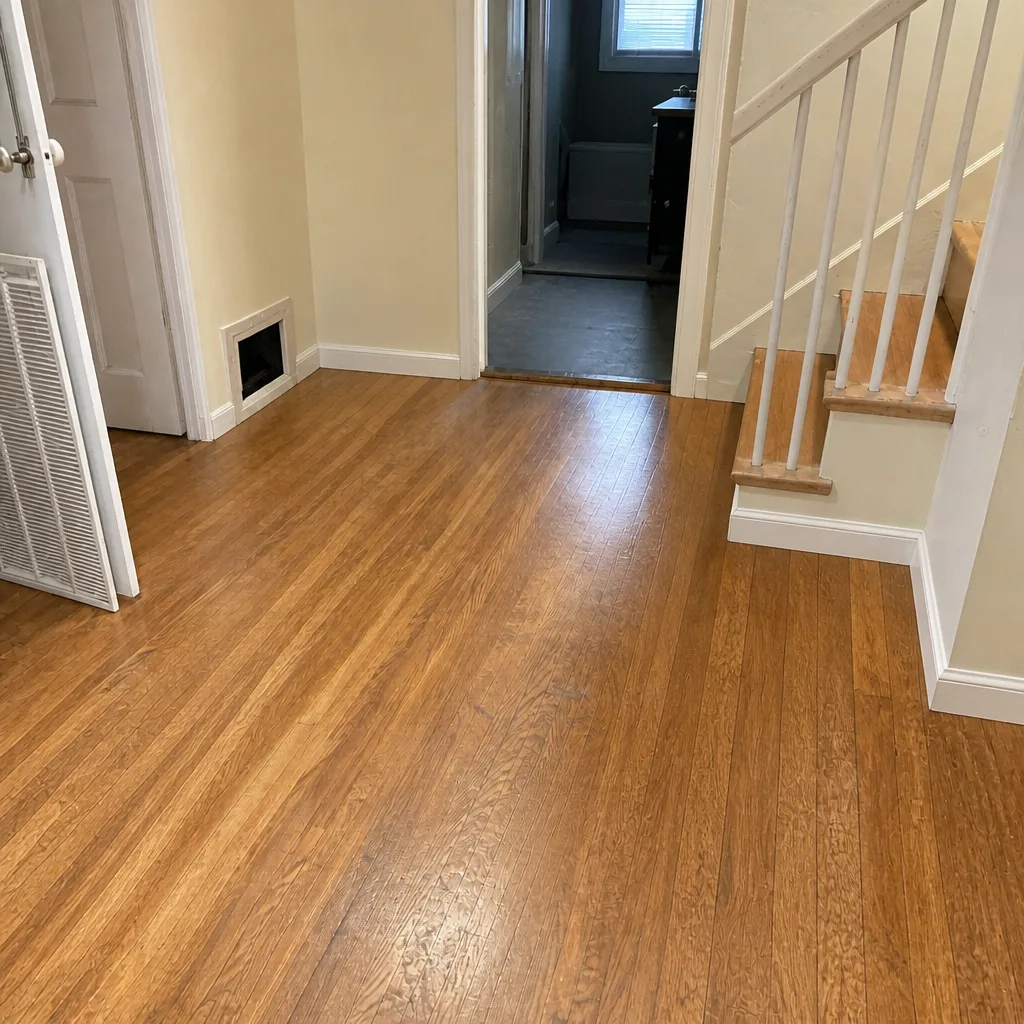
Whole-system duct and dryer vent check with before-and-after photos - you see exactly what came out of your vents
That "$99 whole-house special" is a bait ad - the real number appears once they are in your hallway, or the "clean" is a shop-vac at the register. We photograph the inside of your ducts before and after instead.
How to Hire an Air Duct Cleaning Contractor in South Buffalo: A Step-by-Step Guide
New York does not license air duct cleaners as a separate trade. That surprises most homeowners, and it should. Anyone with a van, a vacuum and a magnetic sign can legally advertise duct cleaning in South Buffalo, quote you a number over the phone, and never show you what came out of your own ductwork. There’s no state exam to filter them out, no apprentice requirement, no inspection board looking over their shoulder. The qualification burden lands entirely on you.
What follows is the checklist we’d use ourselves. Equipment questions that separate real contractors from coupon operations. What NADCA membership actually means versus what marketing implies. How to get a binding scope of work in writing. And the red flags specific to South Buffalo’s older housing stock, where duct systems often carry decades of accumulated debris, disconnected joints and deteriorated flex runs. Read it before you make a single call.
Quick Answer
Hire an air duct cleaning contractor in South Buffalo by verifying equipment specs first (negative air pressure, CFM rating, agitation method), confirming written scope with access points and sanitizer method documented, and refusing any quote given before an on-site inspection. An $99 whole-house price is a red flag, not a deal. Get the scope in writing, get before-and-after photos specified in the contract, and confirm the contractor can repair or seal compromised ductwork, not just clean around it.
Styles & brands we work with
- Whole-home duct cleaning
- Dryer vent cleaning
- Camera inspection
- Sanitizing & deodorizing
Table of Contents
- Why New York Doesn’t License Duct Cleaners and What That Means for You
- The Equipment Questions That Separate Contractors From Coupon Operations
- What NADCA Membership Actually Requires (and What It Doesn’t)
- How to Get a Binding Scope of Work in Writing
- Red Flags Specific to South Buffalo Coupon Operations
- Why Single-Vendor Scope Matters for Accountability
- What South Buffalo Housing Stock and Winters Do to Your Ducts
- A Step-by-Step Walkthrough of the Hiring Process
Why New York Doesn’t License Duct Cleaners and What That Means for You
New York State licenses electricians, plumbers, and HVAC technicians who handle refrigerant, but air duct cleaning as a standalone service has no licensing requirement. There’s no state exam, no minimum equipment standard, no continuing education mandate. A person can buy a consumer shop-vac, run an ad, and call themselves a duct cleaner. That’s legal.
This matters most in markets where older housing meets aggressive advertising. South Buffalo has both. Neighborhoods like Kaisertown, the First Ward, Seneca-Babcock, and the streets around Cazenovia Park carry housing stock that dates back generations. Duct systems in those homes have often been modified, extended, or partly disconnected over the decades. It’s a market where careful diagnosis matters, and it’s also a market where cheap-price operators find plenty of customers who don’t know what questions to ask.
What can you actually verify without a state license? More than most homeowners realize.
- General liability insurance and workers’ compensation. Ask for a certificate of insurance directly, not a verbal yes. The local professional you hire should be insured as their state requires.
- Equipment make and model. Not “professional equipment” as a phrase. Ask for the brand, the model, and the pressure rating.
- Trade association membership. Verifiable through the association itself, not through a logo on a van.
- Scope in writing. A binding scope that specifies exactly what gets cleaned, what gets accessed, and what gets documented.
- References from similar housing. A contractor who works mostly new construction may have no experience with a 1920s duplex in the First Ward.
None of these is a legal requirement in New York. All of them are things a serious contractor expects you to ask. The pattern we’ve seen over and over: the operators who push back on these questions are usually the ones who’d fail them. When you’re ready to compare professional service options, the local pro is licensed and insured as their state requires, and our team connects you with independent local professionals who perform the work. You can start with air duct cleaning in South Buffalo or read the comprehensive service overview first.
The Equipment Questions That Separate Contractors From Coupon Operations
This is where the conversation gets technical, and where the answer tells you almost everything. Duct cleaning at professional standard requires three things working together: negative air pressure to keep debris from migrating into living space, enough airflow (measured in CFM, cubic feet per minute) to move that debris through the system, and mechanical agitation to loosen material stuck to duct walls. A consumer shop-vac delivers none of these at the scale a whole-house system requires.
We run Rotobrush and Nikro systems. Both are contractor-grade platforms used in commercial and industrial work, not consumer equipment with a sticker. When you’re interviewing contractors, here’s what to ask and what an acceptable answer sounds like:
- “What negative air pressure system do you use, and what’s its rating?” Acceptable: a named machine, a model number, and a pressure figure. Evasive: “We use a really powerful vacuum.” Every professional unit has a spec sheet.
- “What CFM does your system pull?” Acceptable: a number in the thousands for whole-house work. Evasive: “Plenty” or “More than enough.” A 5-horsepower shop-vac pulls nowhere near what a truck-mounted or high-capacity portable unit does.
- “What agitation method do you use?” Acceptable: rotary brush, air whip, or compressed-air tools, named specifically, and matched to the duct material. Flexible brush systems work differently on sheet metal versus flex duct. Evasive: “We get in there with a brush.”
- “Do you use HEPA filtration on the exhaust?” Acceptable: yes, with the unit named. Evasive: a pause, or “We don’t need it.” HEPA matters because the vacuum’s exhaust has to go somewhere, and if it’s venting into your basement, you’ve just moved the problem.
- “Can I see the equipment before you start?” Acceptable: yes, every time. Evasive: any version of “That’s not really necessary.”
The pattern to notice: a real contractor answers these in the first thirty seconds. They know their equipment the way a mechanic knows their torque wrench. The coupon operator changes the subject to pricing because they don’t have an answer.
One more thing. Ask specifically what happens with the return side. The supply side moves conditioned air out to your rooms. The return side pulls air back to the furnace. Both collect debris, and cheap operations sometimes clean only the supply side because it’s faster and the homeowner can’t tell the difference from the floor register. A professional scope covers both, and we’ll come back to this when we talk about written scope below.
What NADCA Membership Actually Requires (and What It Doesn’t)
NADCA stands for the National Air Duct Cleaners Association, the trade body behind the ACR standard, which sets out how assessment, cleaning, and restoration of HVAC systems should be done. Membership signals that a contractor has committed to a published standard. It is not a license. It does not mean the state has inspected them. It does not guarantee the work on any specific job.
Here’s the honest read on what NADCA membership implies:
- The contractor has agreed to follow the ACR standard’s assessment-clean-verify workflow, which requires a documented inspection before and after cleaning.
- They’ve committed to specific equipment and process requirements, including source removal rather than chemical masking.
- They may have staff who’ve completed NADCA’s training courses and certifications.
- They’ve agreed to a code of ethics the association can enforce through membership revocation.
What it doesn’t mean:
- It doesn’t mean the contractor is licensed, because no such license exists in New York.
- It doesn’t mean every technician on every job has been trained.
- It doesn’t guarantee insurance coverage or a specific warranty.
- It doesn’t replace the equipment questions above. A member could still show up with substandard gear.
Where the marketing gets slippery: some contractors imply that NADCA membership is a certification of the individual business, or that it’s legally required, or that non-members are breaking the law. None of that is true. The right way to use NADCA membership as a hiring filter is to treat it as one signal among several. It’s a good sign. It’s not a substitute for asking about equipment, confirming insurance, and getting a written scope. If you want to verify a contractor’s membership, the association publishes a member directory you can check directly rather than trusting a logo.
What we’ve found in practice in South Buffalo: the contractors worth hiring tend to be NADCA members or follow the ACR standard whether or not they carry the membership card. The ones who aren’t and don’t usually have a reason. Ask the question directly and listen to how they answer.
How to Get a Binding Scope of Work in Writing
A verbal quote is not a scope of work. A page with “whole-house duct cleaning” and a dollar figure is not a scope of work. A binding scope specifies exactly what will be done, where, how, and with what. If a contractor can’t produce one before you sign, you don’t have a quote. You have a hope.
Here’s what a proper scope should include, line by line:
- Supply side and return side, both named. “Whole-house duct cleaning” hides the question. Write out that both sides get cleaned, and how many registers and returns are included.
- Number of access points to be cut. Professional cleaning sometimes requires cutting access holes in the ductwork where none exist. The scope should state how many will be cut, where, and whether they’ll be sealed afterward. Sealing is not optional. Unsealed access holes leak air into basements and crawl spaces.
- Main trunk line and branch lines specified. Some cheap operations clean only the trunk and ignore the branches. The scope should list both.
- Agitation method matched to duct material. Rotary brush for sheet metal, softer tooling for flex duct. What gets used where?
- Sanitizer application method. Chemical fogging, misting, or none at all. If a sanitizer is offered, the product brand should be named. We work with Honeywell, Aprilaire, and Guardsman products because you can look them up. A mystery chemical with no brand is a chemical you can’t verify.
- Before-and-after documentation. Photos or video of the interior of the ducts, not just the register covers. This is what proves the work was actually done.
- Furnace and air handler cleaning specified. The blower, the coil, and the cabinet should be on the list if the scope includes HVAC cleaning. If it doesn’t, ask why.
- Dryer vent cleaning addressed. If your contractor offers duct cleaning but not dryer vent cleaning, ask why. Lint accumulation in a dryer vent is a real fire risk and a duct-only company will often skip it.
- Repair and sealing capability confirmed. If the inspection reveals disconnected joints or deteriorated flex runs, can they repair and seal them? This is where duct repair & sealing capability matters more than most homeowners realize.
Get that in writing, with a total price at the bottom, before work begins. One flat price per system, agreed up front, no per-vent pricing surprises once the technician is on site. If the scope is written, the price shouldn’t move.
Red Flags Specific to South Buffalo Coupon Operations
Coupon operations exist everywhere, but they cluster where housing stock is dense and older, which describes much of South Buffalo. Neighborhoods like Kaisertown, Lovejoy, and the blocks running toward the Buffalo River see a steady rotation of door hangers, mailers, and online ads pushing whole-house duct cleaning at prices that can’t cover the work. Here’s how to spot them:
- $99 whole-house duct cleaning. No professional contractor can do a genuine whole-house clean, both supply and return, with HEPA filtration and documented before-and-after, for that figure. The cost of the equipment, labor, sanitizer, and photo documentation alone exceeds it. The price either goes up on site or the work doesn’t happen.
- Refusal to inspect before quoting. A phone quote for duct cleaning is a guess. The system has to be walked, the register count has to be confirmed, the duct material has to be identified, and the condition of the flex runs has to be checked. Any contractor who quotes without this is quoting for a hypothetical job.
- No before-and-after documentation offered. Ask directly: will we see photos of the interior of the ducts, before and after? If the answer is anything other than yes, walk.
- Pressure to sign on the spot. “This price is only good today.” Real contractors don’t need to lock you in during a sales call. They write the scope, you take it home, you think about it.
- Vague equipment language. “Professional equipment,” “commercial-grade vacuum,” “state-of-the-art technology.” These phrases reveal nothing. Named brands and model numbers reveal everything.
- No address and no verifiable business. A PO box and a cell number is a business that can disappear next month. Ask for the physical business address and verify the business entity through New York’s Department of State business search.
- Sanitizer without a product name. If they’re fogging or misting chemicals into your ducts, the product should be brand-name and verifiable. “A hospital-grade sanitizer” tells you nothing and can’t be looked up. Honeywell and Guardsman products can. If a contractor can’t name theirs, ask them to skip the sanitizer entirely.
None of these red flags is proof of fraud. But each one is a reason to slow down. Together they’re a pattern, and that pattern has cost a lot of South Buffalo homeowners more than a proper job would have.
Why Single-Vendor Scope Matters for Accountability
Here’s the accountability problem with multi-vendor duct work. Contractor A cleans the system, finds a disconnected flex run in the basement, and writes it in a report. Contractor B, a separate HVAC company, later comes in to repair and seal it. The homeowner paid both. Nobody is responsible for the whole outcome. If the system still underperforms afterward, both companies can point at the other.
Single-vendor scope eliminates that gap. One company diagnoses, cleans, repairs, seals, and sanitizes. When something goes wrong, one call matters. When the work needs to be done right, the same team is accountable from start to finish.
What single-vendor capability actually requires:
- Duct cleaning capability. Source-removal equipment capable of whole-house work, both supply and return side.
- HVAC cleaning capability. Furnace, air handler, blower, coil, and cabinet access, not just the ducts.
- Duct repair and sealing capability. The ability to rebuild deteriorated flex runs, reattach disconnected joints, and seal access holes with mastic or approved tape after cleaning. A cleaner who can’t repair will clean around a problem they can see.
- Sanitizing capability. Fogging or misting application with named, verifiable products.
- Dryer vent cleaning capability. Because a thorough contractor should be looking at the whole air system, not just the HVAC branch of it.
We handle the whole system because that’s what the job actually requires when it’s done correctly. Cleaning is only the first step. When deterioration turns up during the process, repair and sealing are the honest follow-up, not an upsell. A contractor who cleans but can’t repair is telling you something about scope.
When you’re interviewing South Buffalo contractors, ask: “If you find disconnected ductwork during the cleaning, what happens next?” The strong answer is: “We repair and seal it under the same scope, after photographing it, and we tell you what we found before we do the work.” The weak answer is: “You’ll need to call an HVAC company.” Which brings us back to two vendors and zero accountability.
What South Buffalo Housing Stock and Winters Do to Your Ducts
South Buffalo has a specific problem most national duct cleaning websites don’t mention. The housing stock is old, the heating season is long, and the ductwork reflects both. A system that was installed with the house in Kaisertown, Seneca-Babcock, or the First Ward has likely seen decades of furnace replacements, additions, and DIY modifications. Each modification usually meant new duct sections spliced onto old ones, and those splices don’t always hold.
Add the heating season. Western New York winters run long, and the furnace works hard from October into April. That volume of forced air moving through ductwork brings a steady accumulation of dust, dander, and debris. When the heating season ends, that material sits in the ducts until the next cycle. Over a decade or two, it builds up somewhere in the system. Cleaning restores the airflow capacity that the buildup has been quietly reducing.
What winters do to ducts themselves:
- Condensation at disconnected joints. When warm air leaks into a cold basement or crawlspace, moisture forms. Over repeats, that moisture drives deterioration of flex duct and tape joints.
- Loss of mechanical connections. Settling, thermal cycling, and pest activity can pull flex duct off its collars. That’s a hidden energy loss because the conditioned air never reaches the room.
- Rust at sheet metal joints. Older sheet metal runs in damp basements can rust at the seams. Cleaning can reveal that rust, and repair work follows.
What this means for hiring: a South Buffalo contractor should be asking about the age of the house, the type of ductwork, and any prior modifications. A contractor who shows up without those questions is running a generic script. And a contractor who cleans a system that needs repair has left the homeowner with a clean system that still leaks. Cleaning and repair should be considered together in this market.
If you want a professional opinion on the state of your system before a full job, ask for the assessment as part of the free estimate. A proper scope of work starts with a walk-through, not a phone call.
A Step-by-Step Walkthrough of the Hiring Process
Here’s the sequence, in order, that we’d recommend to any South Buffalo homeowner starting the search. It’s short. It’s methodical. It filters out most of the wrong contractors before they get in your house.
- Start with the register count. Walk the house and count every supply register and every return grille. Write it down. Any quote that doesn’t reference this number is a quote for a hypothetical house.
- Ask the equipment questions first, before pricing. Negative air pressure system and rating, CFM figure, agitation method, HEPA filtration. If a contractor stumbles here, the pricing conversation is moot.
- Ask about supply side and return side separately. “Do you clean both?” is the specific question. A confident yes with a description is a good sign. A vague answer or a pivot to pricing is a bad one.
- Request the written scope. Access points, sanitizer method, before-and-after documentation, repair capability, dryer vent inclusion. All of it should be specified. Compare scopes across contractors, not just prices. Same price, different scope means the same price is not the same job.
- Confirm insurance and business identity. Ask for a certificate of insurance directly. Verify the business entity through the New York Department of State. Check whether the business address is real.
- Get the flat price in writing. One flat price per system, agreed before work begins. No per-vent charges. No surprises on the invoice.
- Ask what happens if repair is needed. If the answer involves a second contractor, you’re back to two-vendor accountability. Single-vendor scope is a hiring criterion, not a luxury.
- Confirm what you’ll see when the work is done. Before-and-after photos of your own ducts, inside the system. Not generic photos of clean ducts. Your system.
- Schedule, and plan for the assessment to catch things. A thorough job in South Buffalo often turns up something. It’s the contractor’s job to photograph it, tell you what they found, and repair it under the same scope.
That’s the whole process. The contractors worth hiring expect every one of those questions. The ones who don’t are telling you what kind of operator they are before they’ve set foot in your house. When you’re ready for a professional to walk the system and write the scope, our team connects you with independent local professionals who perform the work. Our technicians have up to 14 years of experience, and the pro is licensed and insured as their state requires.
Common Mistakes to Avoid
- Hiring on price alone. The cheapest quote in South Buffalo is almost always the one with the fewest scope items listed. You’re not comparing the same job.
- Accepting a phone quote. Without an on-site inspection, the contractor doesn’t know how many registers there are, what duct material they’re working with, or what condition the system is in. That quote is a marketing number, not a job price.
- Not asking about the return side. A common shortcut is cleaning the supply runs and skipping the returns. Both collect debris. The supply side is faster and harder for homeowners to verify from the floor.
- Letting access holes go unsealed. If the contractor cuts an access hole into the ductwork to clean, it must be sealed afterward. Unsealed holes leak heated air into your basement or crawlspace for years. Confirm sealing is included in the scope.
- Treating sanitizer as a magic step. Sanitizing is not the same as cleaning. The ACR standard is clear: source removal is cleaning, and sanitizing follows cleaning. A contractor who offers a “sanitizing-only service” is skipping the source removal. Ask what products they use and insist on brand names you can verify.
- Ignoring the dryer vent. Lint accumulation in a dryer vent is a serious fire hazard. A duct cleaning contractor who doesn’t handle dryer vent cleaning is skipping a safety-relevant part of the air system. Dryer vent cleaning should be part of the conversation.
- Skipping before-and-after documentation. Without photos of the interior of your ducts, before and after, you’re taking the contractor’s word for it. Ask for the documentation in the scope, not after the work is done.
- Not verifying that repair and sealing are in scope. If the system needs repair after inspection, and the contractor can’t do it, you’re paying twice. Confirm duct repair & sealing capability up front.
See the difference
 Before
 After
 Before
 After
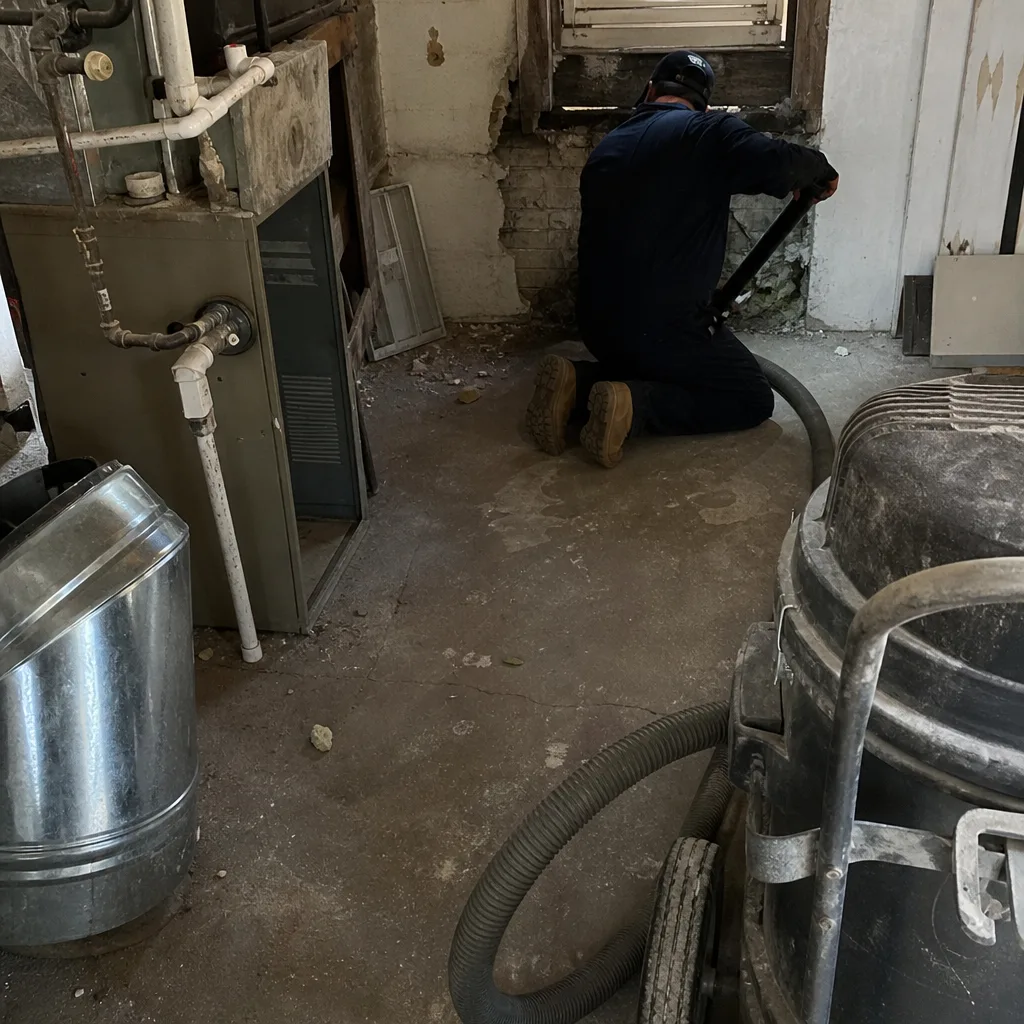 Before
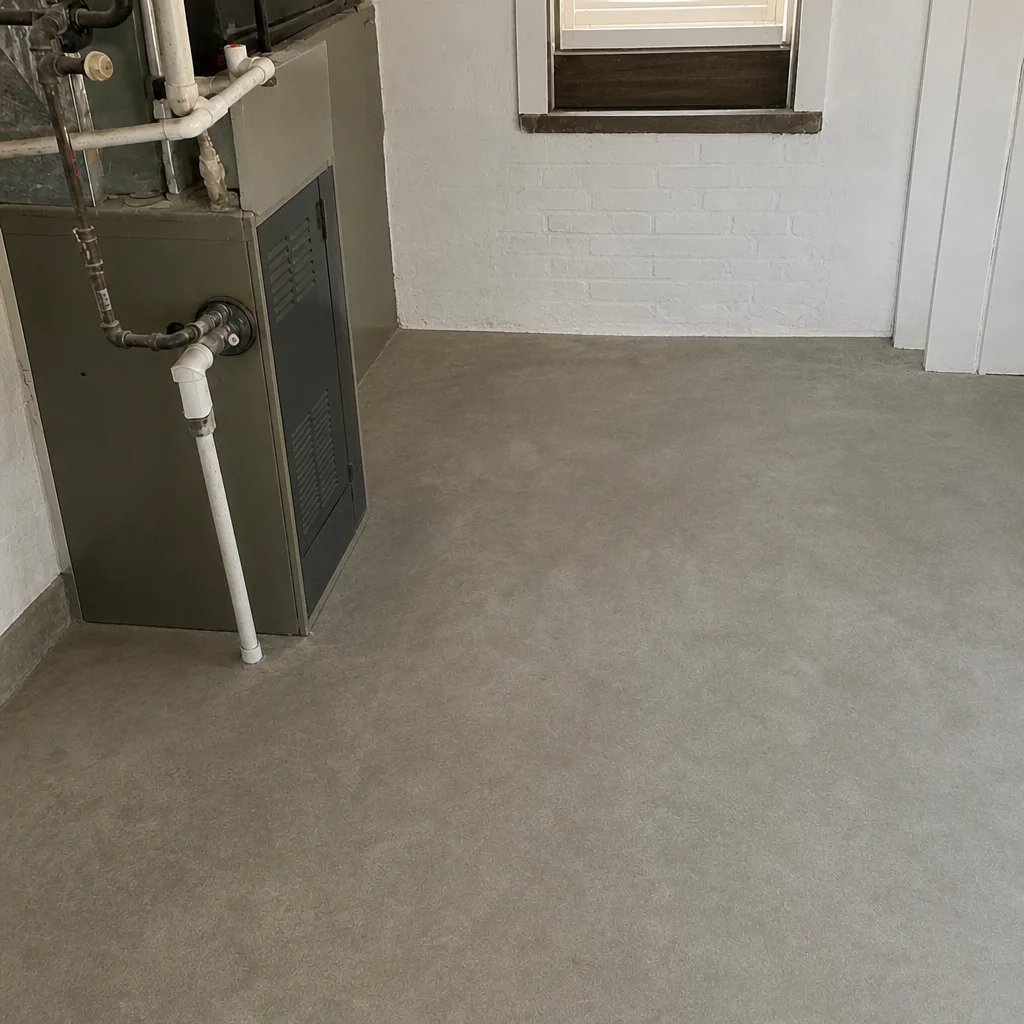 After
When to Call a Professional
Call a professional when you see visible dust buildup around the supply registers in any South Buffalo home. Call when a family member’s allergies or asthma symptoms seem worse indoors than out. Call when you’ve moved into a home with older ductwork and no service history, especially in Kaisertown, Seneca-Babcock, Lovejoy, or the First Ward. Call when the furnace has run through more than a few seasons without a duct inspection, or when a home energy assessment has flagged a duct-related leak.
Call before a problem becomes a repair rather than a cleaning. Dust streaks at the registers, uneven airflow from room to room, and a furnace that seems to run harder than it should are all signs the system needs attention. A proper inspection catches what’s actually wrong, and a written scope tells you what it will cost before anyone touches a tool.
Air Duct Cleaning South Buffalo offers free estimates in South Buffalo. Call (844) 935-2565. We answer 24/7. Fast dispatch from 7am to 7pm, Sunday through Friday. The local pro is licensed and insured as their state requires, and every job is a single flat price per system, agreed in writing before work begins, with before-and-after photos of your own ducts.
Frequently Asked Questions
Air duct cleaning in South Buffalo typically runs in the several-hundred-dollar range for a whole-house job, both supply and return, though the exact figure depends on your register count, the age and condition of the system, and whether repair and sealing are needed. A per-vent price is usually a bait-and-switch structure. Whole-system pricing is what you want. Call (844) 935-2565 for an exact quote. Estimates are free.
Some quotes are cheaper because they cover far less work. A $99 whole-house price usually means either the work is not done to standard, the price goes up once the technician is on site, or the scope excludes the return side, HEPA filtration, and before-and-after documentation. Cheap quotes are rarely the same job at a lower price; they’re a smaller job disguised as a bigger one. Call (844) 935-2565 for a written scope and a flat price you can compare against.
Before-and-after photos of the interior of your own ducts are the standard proof. Not generic stock images, not a photo of the register cover on the floor. The scope of work should specify before-and-after documentation as a deliverable, and the contractor should walk you through it when the job closes. If photos aren’t offered in the scope, ask for them in writing before work begins.
Most homes fall into a three-to-five-year window, but that’s a rough guide, not a rule. Homes with pets, allergy-sensitive occupants, recent renovation work, or older duct systems often need it more often. South Buffalo’s long heating season can accelerate buildup. A visual inspection with a camera tells you what your specific system needs. Call (844) 935-2565 for a free assessment.
No. New York State does not license air duct cleaning as a separate trade, which means the vetting is on you. Ask for equipment specs, insurance certificates, and a written scope of work, and verify the business entity through the Department of State. NADCA membership is a useful signal but not a license. The local pro is licensed and insured as their state requires, and we can connect you with one.
Professional contractors who handle full-scope work can clean, repair, and seal under one roof. Many duct cleaning operations are cleaners-only, and they’ll refer you to a separate HVAC company when repair is needed. Ask the question directly: “If you find disconnected or deteriorated ductwork during cleaning, can you repair and seal it?” A single-vendor answer is what you want. Call (844) 935-2565 to confirm full-scope capabilities.
The Bottom Line
Hiring an air duct cleaning contractor in South Buffalo comes down to one reality: New York doesn’t license the trade, so the vetting process is yours. Equipment specs. Written scope. Insurance. Single-vendor capability for cleaning, sanitizing, repair, and sealing. Before-and-after documentation. Ask every question, and expect clear answers. The contractors worth hiring will answer all of them without hesitation. The ones who won’t have told you what you needed to know before they set foot in your house.
For a free estimate on a full-scope air duct cleaning job in South Buffalo, call (844) 935-2565. We answer 24/7. Fast dispatch from 7am to 7pm, Sunday through Friday. One flat price per system, agreed before work begins, with before-and-after photos of your own ducts.
Written by the team at Air Duct Cleaning South Buffalo.