
Last updated November 25, 2026
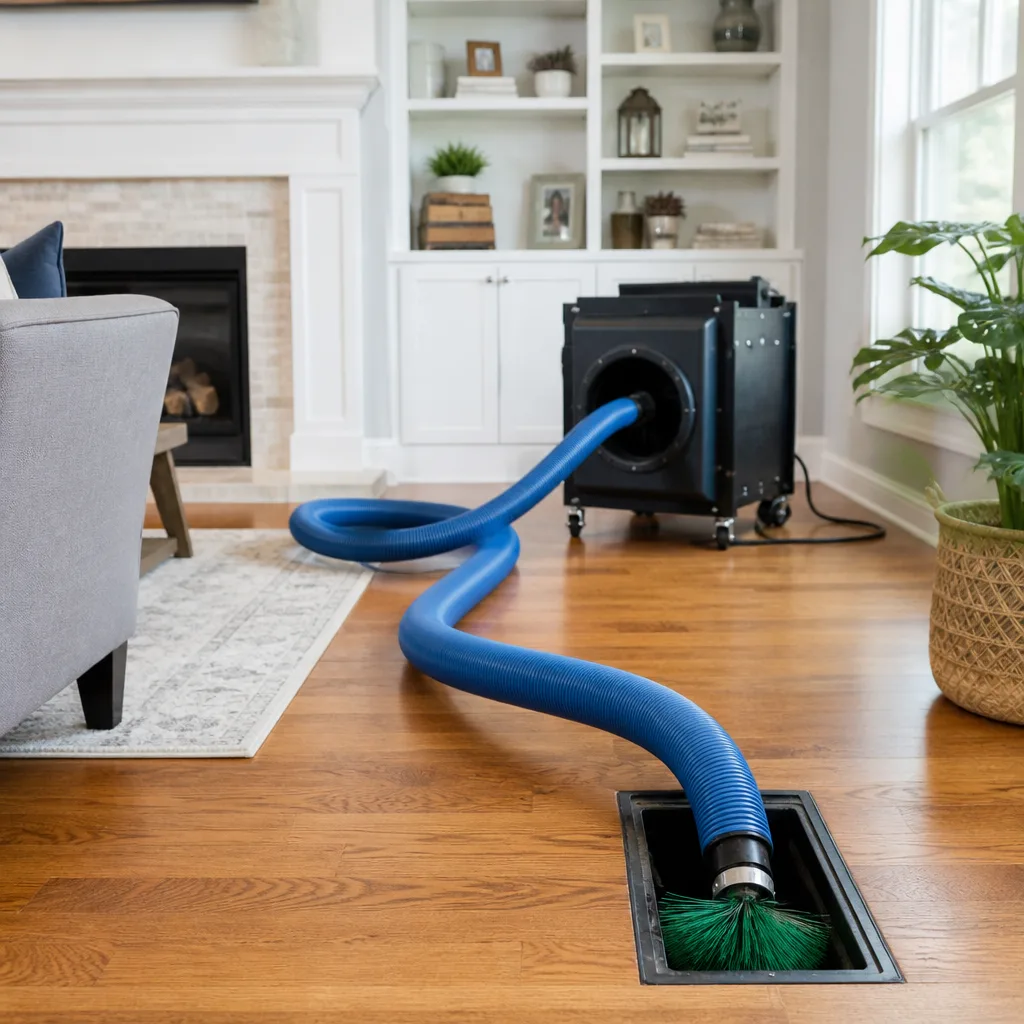 Whole-home duct cleaning
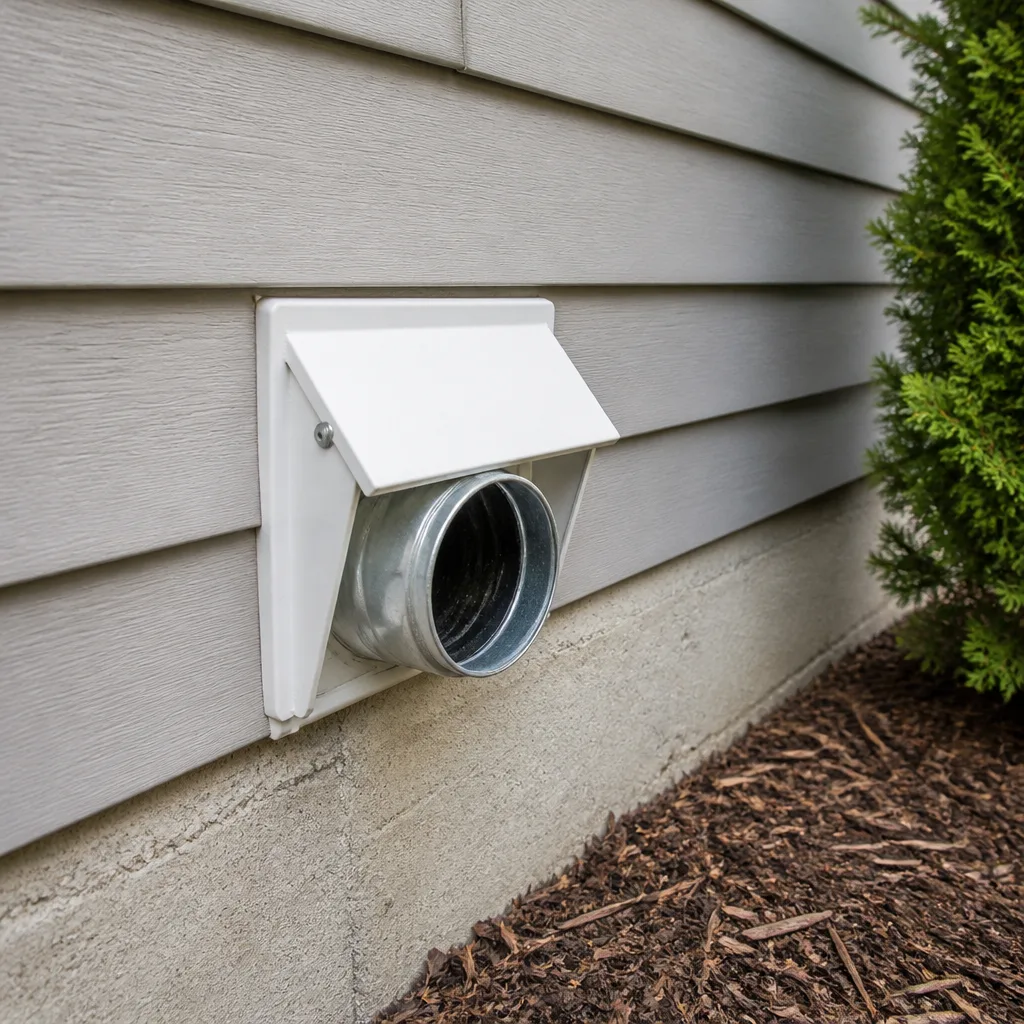 Dryer vent cleaning
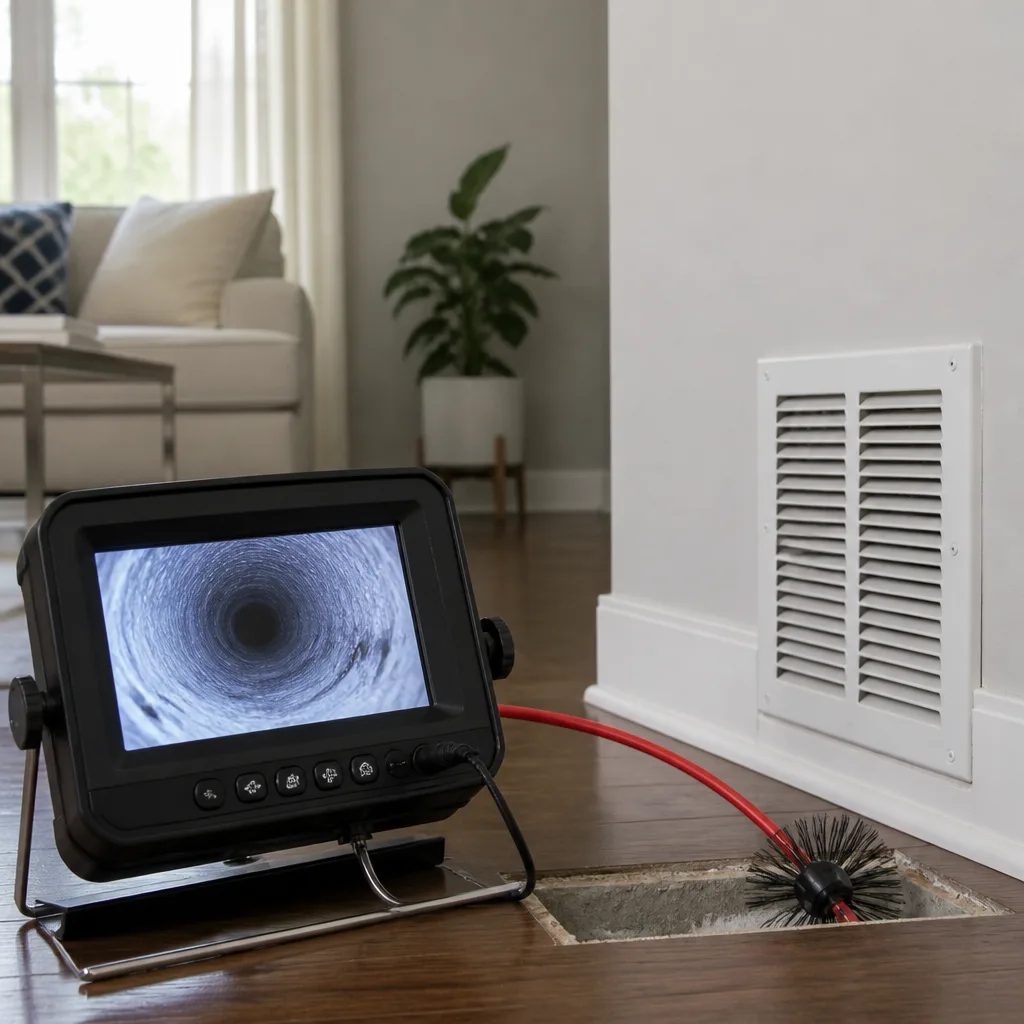 Camera inspection
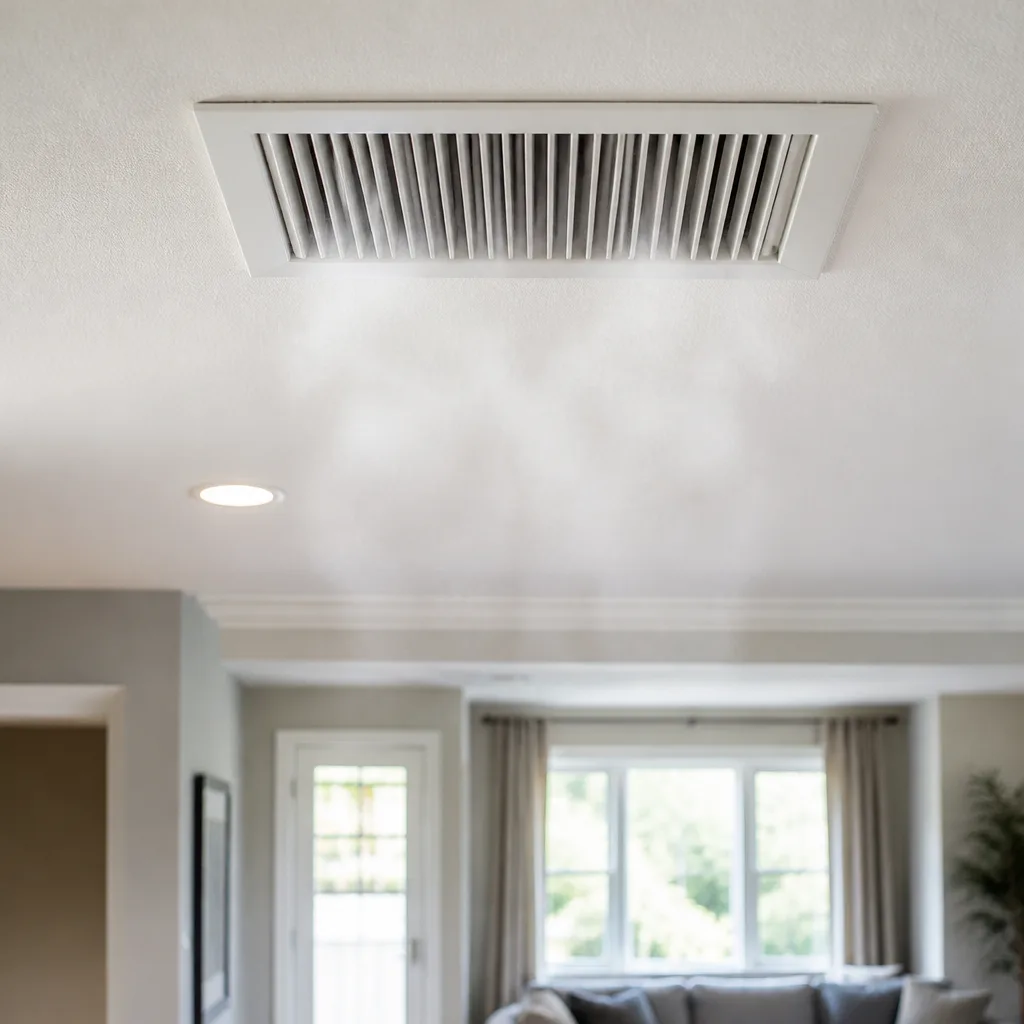 Sanitizing & deodorizing
Whole-system duct and dryer vent check with before-and-after photos - you see exactly what came out of your vents
That "$99 whole-house special" is a bait ad - the real number appears once they are in your hallway, or the "clean" is a shop-vac at the register. We photograph the inside of your ducts before and after instead.
Air Duct Cleaning Emergency Preparedness Guide for South Buffalo Homes
After a basement flood, most South Buffalo homeowners handle the visible water damage and stop there. The shop vac comes out, the boxes get tossed, a fan runs for a day. What gets forgotten is that the forced-air duct runs sitting in the floor joists and low wall cavities just spent several days breathing humid air. Under the right temperature conditions, that moisture can produce detectable mold growth inside ducts within 24 to 48 hours. The water you can see isn’t the emergency. The air your family breathes for the next six months is. This guide covers what Buffalo’s specific weather events do to duct systems, how to assess the damage before you restart the furnace, and what to do before storm season arrives so the repair scope stays small.
Quick Answer
Air duct cleaning after a flood or storm emergency in South Buffalo means assessing duct runs for moisture and microbial growth before restarting the HVAC system, then using professional-grade extraction and sanitizing rather than a shop vac. The most common post-event problems we see are wet duct sections in low floor or wall cavities, soot from furnace puff-backs, and fine particulate from backup heating sources. The inspection sequence matters more than the cleaning itself: you need to know what’s in the ducts before you decide what to do about it.
Styles & brands we work with
- Whole-home duct cleaning
- Dryer vent cleaning
- Camera inspection
- Sanitizing & deodorizing
Table of Contents
- Post-Flood Duct Assessment: The Protocol That Matters
- Ice Storms, Power Outages, and What Backup Heating Does to Your Ducts
- Furnace Puff-Backs: Smoke and Soot Contamination in Buffalo Winters
- Documenting the Damage for an Insurance Claim
- Pre-Season Emergency Preparedness Checklist
- Why Contractor-Grade Equipment Matters in Emergency Remediation
- Restarting the HVAC System Safely After an Event
- Why Waiting Makes the Job Harder
Post-Flood Duct Assessment: The Protocol That Matters
When water enters a South Buffalo basement, the ductwork that runs through floor systems and low wall cavities is exposed to sustained humidity for hours to days. Before you turn the furnace back on, you need to know which sections stayed wet. The inspection sequence below is what a trained technician follows, and it’s the difference between a cleaning job and a mold remediation job.
- Map the duct layout before anything moves. Locate all trunk lines, branch runs, and return air paths. Floor registers in first-floor living areas often connect to duct sections running directly over the wet basement ceiling.
- Check duct insulation and wrapping for moisture. Wet fiberglass insulation around duct runs holds humidity against the metal, which is where mold growth starts. Press a moisture meter against the duct exterior at multiple points.
- Inspect inside accessible duct sections with a camera. A contractor-grade inspection camera confirms what’s happening inside the trunk lines and branches without guessing.
- Test for microbial growth at the highest-risk points. Low-lying runs, returns near the basement floor, and sections under standing water are the priority.
- Sample the air before and after cleaning. Air quality readings give you a documented baseline and a documented result.
- Only after assessment: plan the cleaning and sanitizing scope. Cleaning a mold-contaminated system without addressing the source is wasted effort.
What most South Buffalo homeowners don’t realize is that floor registers in the first floor almost always sit above duct runs in the basement ceiling cavity, so a flooded basement doesn’t just wet the basement. It sends humidity into the ducts serving every room above. That’s why the assessment has to cover the whole system, not just the section that got wet.
The cleaning itself is only part of the job if the duct runs were compromised structurally. Water intrusion can also loosen duct connections, separate flex duct at fittings, and introduce gaps that leak conditioned air into cavities. That’s where duct repair & sealing becomes part of the same visit rather than a separate vendor call.
Ice Storms, Power Outages, and What Backup Heating Does to Your Ducts
When an ice storm takes out power in South Buffalo, many households fall back on space heaters, kerosene units, or wood stoves. Those heat sources circulate combustion particulate, fine ash, and moisture through rooms the duct system is already pulling return air from. A forced-air system that’s running on backup heat is ingesting air it wasn’t designed for. Even when the furnace is off, return air paths in a closed house pull whatever’s in the air back through the system.
Specific contamination scenarios from ice storm and outage events:
- Kerosene and propane space heaters produce fine soot and moisture that get drawn into return registers and deposited on the inside of duct walls. It settles in the trunk lines and along the bottom of horizontal runs.
- Wood and pellet stoves release fine particulate that coats duct interiors with a sticky film, especially in return ducts near the stove’s location. That film holds other contaminants.
- Boiler and furnace venting issues during outages can send combustion byproducts back into the home instead of up the flue. The duct system distributes them.
- Extended outages mean the HVAC system isn’t running, so contaminated air isn’t being filtered. When power returns, it distributes everything that accumulated in the ducts and returns.
- Condensation in cold duct runs during outages creates moisture that gathers in low sections, ready for the first warm-up to become a growth environment.
The cleanup for outage contamination is different from normal dust cleaning. Fine soot and combustion particulate embed into duct walls and need mechanical agitation with equipment like Nikro contact cleaning tools, followed by high-volume negative pressure extraction, and then sanitizing with a product you can identify. That’s why we source sanitizing products from Honeywell, Aprilaire, and Guardsman rather than unmarked bulk chemicals. You should always be able to know exactly what went into your home.
The equipment difference is what separates a real remediation from a vacuum job. Rotobrush and Nikro systems are built for the kind of heavy particulate load that follows an outage event. Consumer vacuums move a fraction of the air volume and don’t have the brush agitation needed to break soot off duct walls.
Furnace Puff-Backs: Smoke and Soot Contamination in Buffalo Winters
A furnace puff-back happens when an oil burner misfires or a combustion chamber backfires, pushing a puff of soot-laden exhaust back into the home before the system reestablishes proper draft. In Buffalo winters, when the furnace runs constantly and oil burners work hardest, puff-backs are a recurring event. Homeowners often notice a faint oil smell, a small cloud at a register, or a light dusting of soot near the furnace. What they don’t always notice is that the duct system just ingested the same contaminant that coated the inside of the heat exchanger cabinet.
Soot from a puff-back is not dust. It’s oil-derived carbon with an acidic residue that sticks to duct walls, coats blower wheels, and settles on evaporator coils. Standard dust cleaning doesn’t touch it. The chemistry is different, the mechanical agitation is different, and the volume of material is different.
How soot contamination is handled
- Source correction first. The burner or combustion chamber problem that caused the puff-back must be resolved before cleaning, or the contamination recurs.
- Seal and establish negative pressure. The duct system has to be under controlled negative pressure with HEPA extraction before any agitation starts, so soot doesn’t migrate into living space.
- Mechanical agitation of duct walls. Brush tools and contact cleaning equipment break the soot film off the metal and flex duct interior.
- Cleaning of the blower assembly and heat exchanger cabinet. This is where a lot of puff-back soot accumulates.
- Coil cleaning if the evaporator was exposed. Soot on a wet coil becomes a growth medium.
- Sanitizing and post-cleaning air quality verification. Standard cleaning products don’t handle oil-derived soot residue; the cleaning chemistry has to match the contaminant.
Abatement Technologies equipment is engineered for this kind of contaminant control work, which is why we run it on puff-back jobs. The same standard is used in professional remediation, and it’s what gives you a defensible record that the cleaning was done to a real standard.
Documenting the Damage for an Insurance Claim
If you’re filing an insurance claim for duct-related damage after a flood, ice storm, or furnace event, the documentation requirements are stricter than most homeowners expect. Insurers typically want a professional inspection that ties the duct damage to the covered event, with photographic and air quality evidence. The claim gets denied more often for lack of documentation than for lack of damage.
What insurers usually ask for
- Pre-cleaning photographs of the affected duct sections, taken with access openings labeled by location and connected to the covered event (flood line, soot visible at registers, etc.).
- Air quality readings taken before and after cleaning, with the equipment identified and the sampling points documented.
- Moisture readings taken at multiple points on the duct system, showing the extent of water intrusion.
- A written inspection report describing the duct layout, affected sections, the type of contamination found, and the recommended scope of work.
- Post-cleaning documentation including photographs and post-cleaning air quality readings, showing the work was completed to standard.
- Invoices that match the report scope line for line, so the insurer can reconcile what was done with what was recommended.
Air Duct Cleaning South Buffalo can work with your insurer and provide the inspection reports, photographs, and air quality readings needed for documentation. That’s part of why we run the equipment we run: Rotobrush, Nikro, and Abatement Technologies all produce documentation standards that insurers recognize because they’re the same brands used in professional remediation. We don’t decide what your insurer will accept, but we do make sure the record is complete.
One thing that helps: request the inspection before you tear out anything. Photographs of the affected ducts in place are worth more than photographs of the cleaned-out shell.
Pre-Season Emergency Preparedness Checklist
The best time to reduce post-event remediation scope is before storm season. A duct system that’s clean, sealed, and structurally sound sustains less damage from flood humidity, soot, and outage contamination than one that’s already compromised. South Buffalo homes face all three every year. This checklist is what to inspect and address before the first ice storm:
- Inspect accessible duct connections for gaps and separations. Compromised joints let flood humidity in and conditioned air out. A pre-season air duct cleaning includes this kind of look at system condition.
- Check dryer vent condition and clean it if needed. A clogged dryer vent is a fire risk, and post-storm power surges and outage load can make dryers work harder. See dryer vent cleaning for what the inspection covers.
- Look for moisture staining on duct runs in the basement. Old water marks mean old intrusion points that may not have been addressed.
- Confirm your furnace combustion chamber is properly sealed. Puff-back prevention starts with the burner and chamber. If you’ve smelled oil near the furnace, get it checked before winter.
- Note the location of your return registers. Knowing where your system draws return air tells you which rooms to protect from combustion sources during an outage.
- Verify duct insulation condition in cold spaces. Disconnected or degraded insulation invites condensation during outages.
- Schedule a full-system cleaning if the system hasn’t been done in several years. A clean system starts the storm season with less material to spread.
- Photograph your HVAC equipment and duct layout for your own records. If you need to file a claim, having a pre-event baseline saves time.
For a full pre-season look at the HVAC side of the system, HVAC cleaning covers the blower, coils, and cabinet along with the duct cleaning. Doing both in one visit means you start winter with a system you’ve actually looked at, not one you hope is fine.
Why Contractor-Grade Equipment Matters in Emergency Remediation
Emergency remediation is a different job than routine cleaning. After a flood, a puff-back, or an outage event, the contaminant load inside the ducts is heavier, more chemically complex, and partly biological. The equipment has to match that. Consumer vacuums and shop vacs built for garage work move small air volumes with basic filtering, and they can’t agitate a duct wall to break soot or mold film off metal. Worse, weak extraction can stir up contamination and distribute it into the home during the job.
The systems we run are a different category:
- Rotobrush systems combine rotary brush agitation with high-volume extraction, which is what duct wall cleaning actually requires.
- Nikro equipment is built for the contact cleaning and negative pressure control that remediation-grade work demands.
- Abatement Technologies equipment handles air quality and contaminant control at the standard used in professional remediation, not consumer cleaning.
- Honeywell, Aprilaire, and Guardsman products for sanitizing and filtration are nationally recognized brands you can verify and read about. You’ll know exactly what’s going into your home.
The other equipment difference is scope. Most duct cleaners are cleaners only. They can run a brush through your duct and call it done, but they can’t evaluate and fix a compromised duct run, seal a separated joint, or address the HVAC cabinet and blower. When a flood event leaves you needing cleaning, repair, sealing, and sanitizing on the same system, the single-vendor capability saves you from coordinating two or three trades mid-recovery. Our technicians have up to 14 years of experience with this equipment across both residential and commercial systems.
Restarting the HVAC System Safely After an Event
The instinct after the water recedes is to turn the heat back on. Before you do, the duct system and the HVAC equipment need to be evaluated. Pulling wet, contaminated air through a system and distributing it through the house can turn a small remediation job into a much larger one. The safe sequence after a flood or puff-back event:
- Keep the system off until the ducts and equipment have been evaluated. A duct system that ingested water or soot needs to be assessed before it distributes either one further.
- Ventilate the home naturally. Open windows when weather allows and use fans to move air through rooms. This is temporary mitigation, not a substitute for duct cleaning.
- Have the ducts inspected and documented before restarting. The assessment described earlier in this guide should come before any restart.
- Clean and sanitize the ducts before the system runs. The contaminant load goes into the living space if the blower runs first.
- Confirm the furnace and blower are clean. Soot or moisture in the cabinet is a separate issue from the ducts.
- Change the filter. A filter that was in the system during the event is holding whatever the event put in the air.
- Test the system after cleaning and document the result. Post-cleaning air quality readings confirm the work.
In South Buffalo, the temperature math is unforgiving. Waiting for the ducts to dry naturally before assessing them usually means the assessment happens after growth has already started. Cold weather makes the decision harder because you want heat back on fast, but heating a house whose duct system is contaminated is the wrong sequence.
Why Waiting Makes the Job Harder
Post-event duct contamination doesn’t sit still. Moisture leads to microbial growth in the 24-to-48-hour window under the right temperature conditions. Soot film on duct walls collects dust and moisture over time and becomes a larger cleaning job. Combustion particulate from an outage event migrates further into the system the longer the blower runs. Every week of delay adds scope.
The other thing waiting costs you is documentation. An insurance claim for duct damage gets harder to support the longer the gap between the event and the professional inspection. Photographs taken a month after the flood don’t tie to the flood line the way photographs taken a week after do.
We’re often asked whether you can just clean the ducts yourself after a flood. For surface dust in a dry system, a homeowner can do a reasonable job with the right tools. For post-flood moisture, mold growth, puff-back soot, or outage contamination, the equipment and chemistry matter too much. A shop vac can’t establish negative pressure across a duct system, can’t agitate soot off metal, and can’t document the before-and-after the way an insurer or a future buyer will want to see.
Common Mistakes to Avoid
- Running the furnace before assessing the ducts. A heated blower distributes whatever’s in the ducts through every room. Assess first, restart second.
- Assuming floor registers are fine because the basement is dry. Floor registers connect to duct runs in the basement ceiling cavity, which is exactly where flood humidity goes first.
- Treating a puff-back with standard dust cleaning. Oil-derived soot needs the right cleaning chemistry and heavier mechanical agitation. Standard cleaning doesn’t remove it.
- Skipping the pre-season check. A clean, sealed duct system in October means a smaller remediation job in January. This is the most expensive shortcut in the list.
- Filing an insurance claim before the inspection is documented. Insurers typically want photographs and readings tied to the event. Get the inspection documented first.
- Hiring a cleaner-only operator after a flood event. Duct cleaning after a flood isn’t the job; duct assessment, cleaning, repair, sealing, and sanitizing as one scope is. A cleaner can’t fix what got compromised structurally.
- Ignoring the dryer vent during storm prep. A clogged dryer vent is a fire risk any month of the year, and a power outage or surge can put extra load on the appliance when power returns. Dryer vent cleaning should be part of the pre-season list.
See the difference
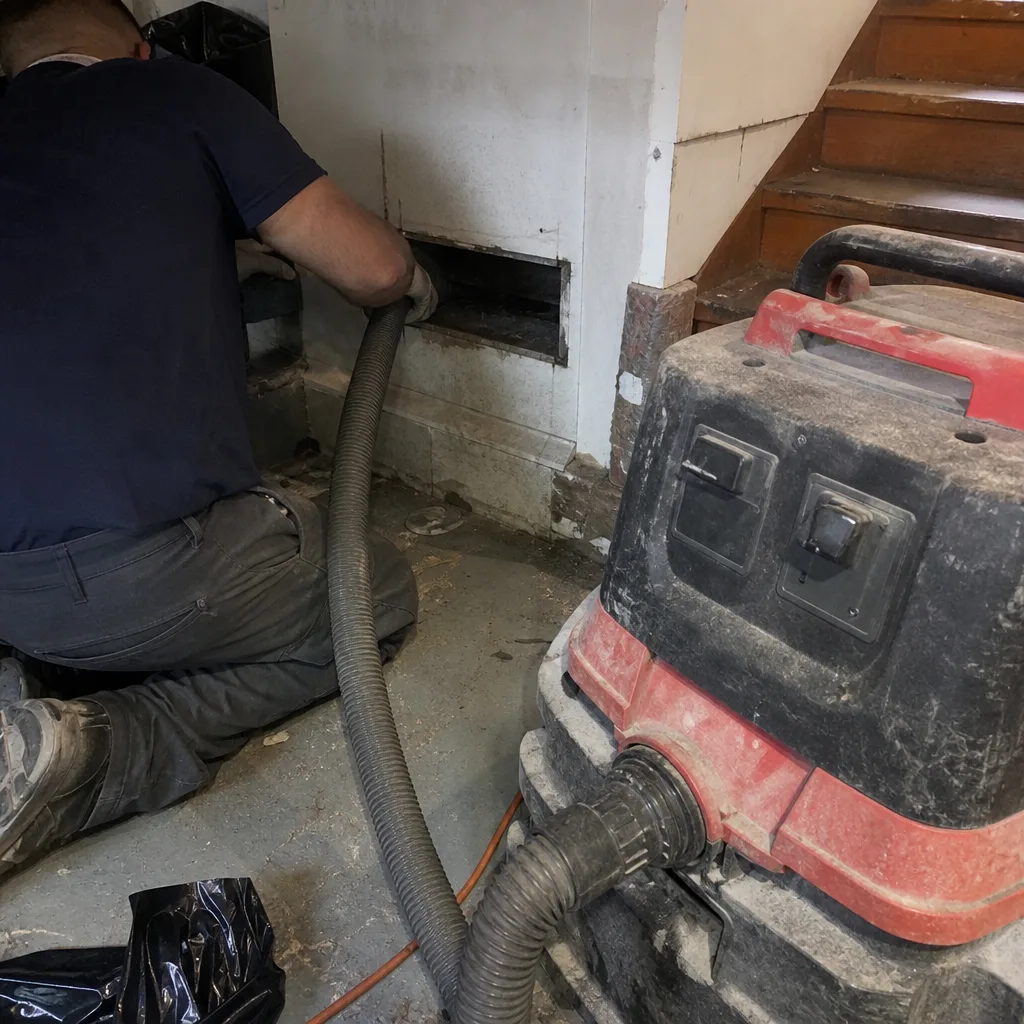 Before
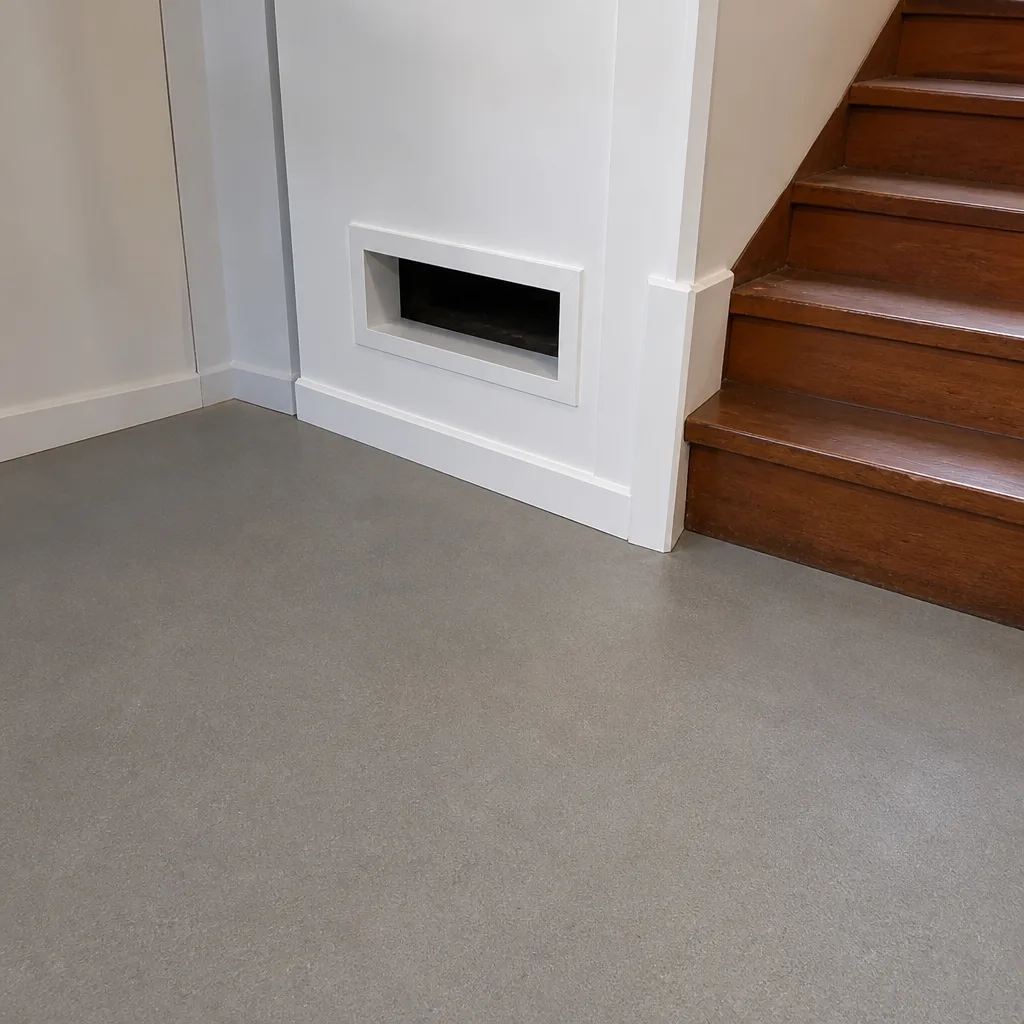 After
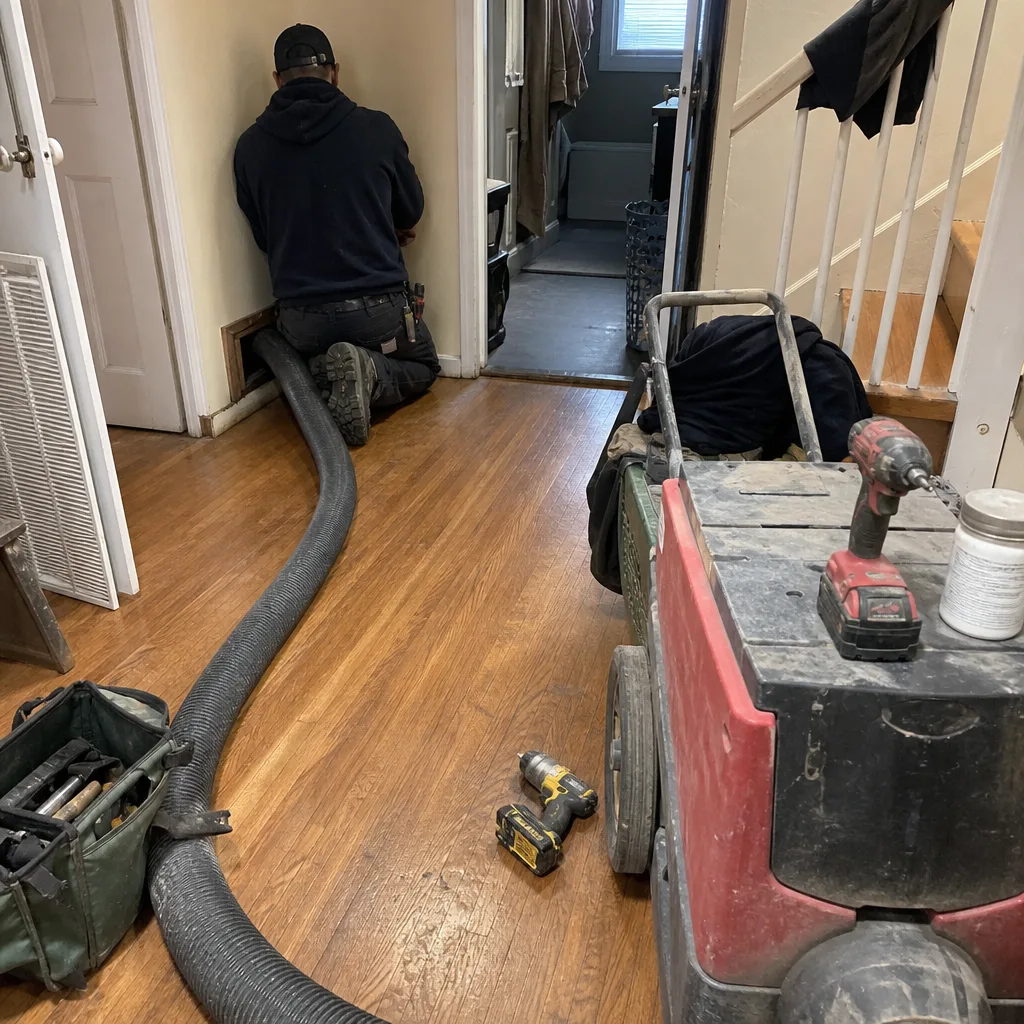 Before
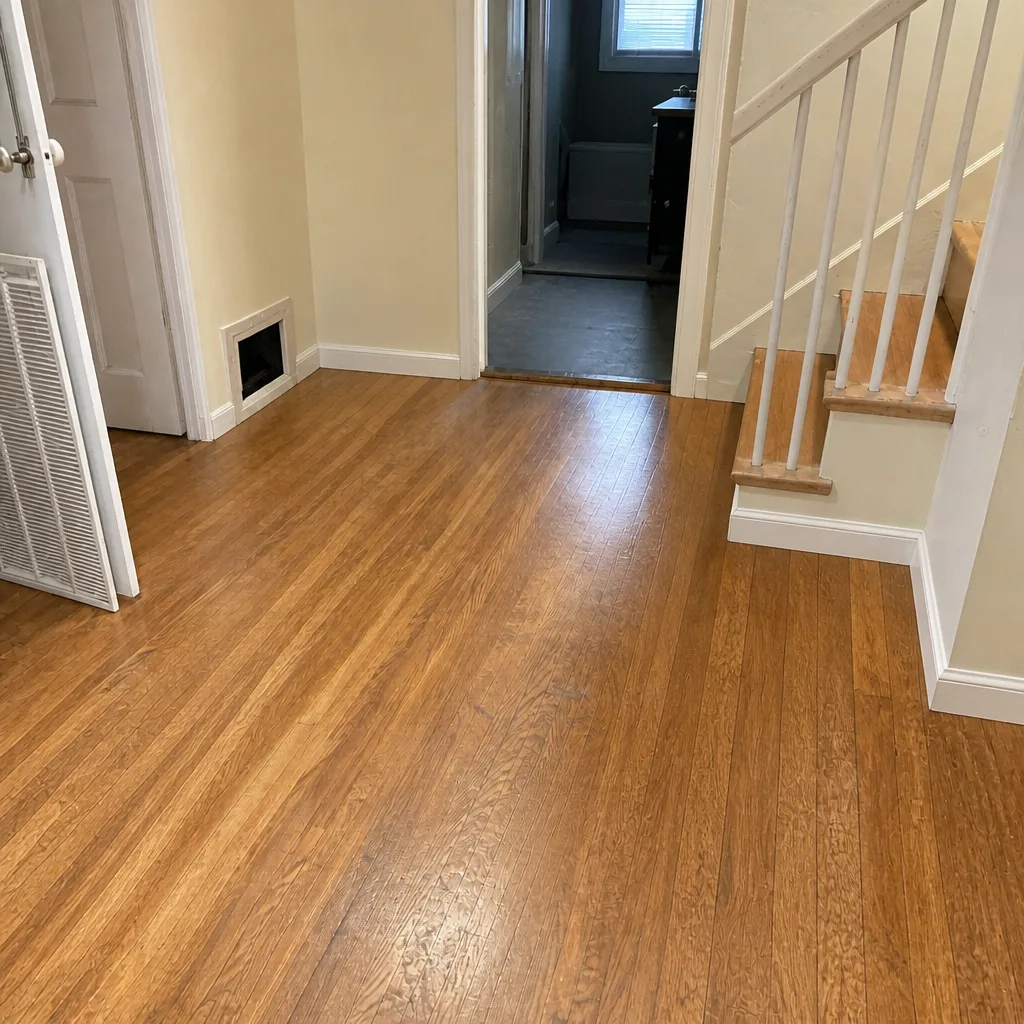 After
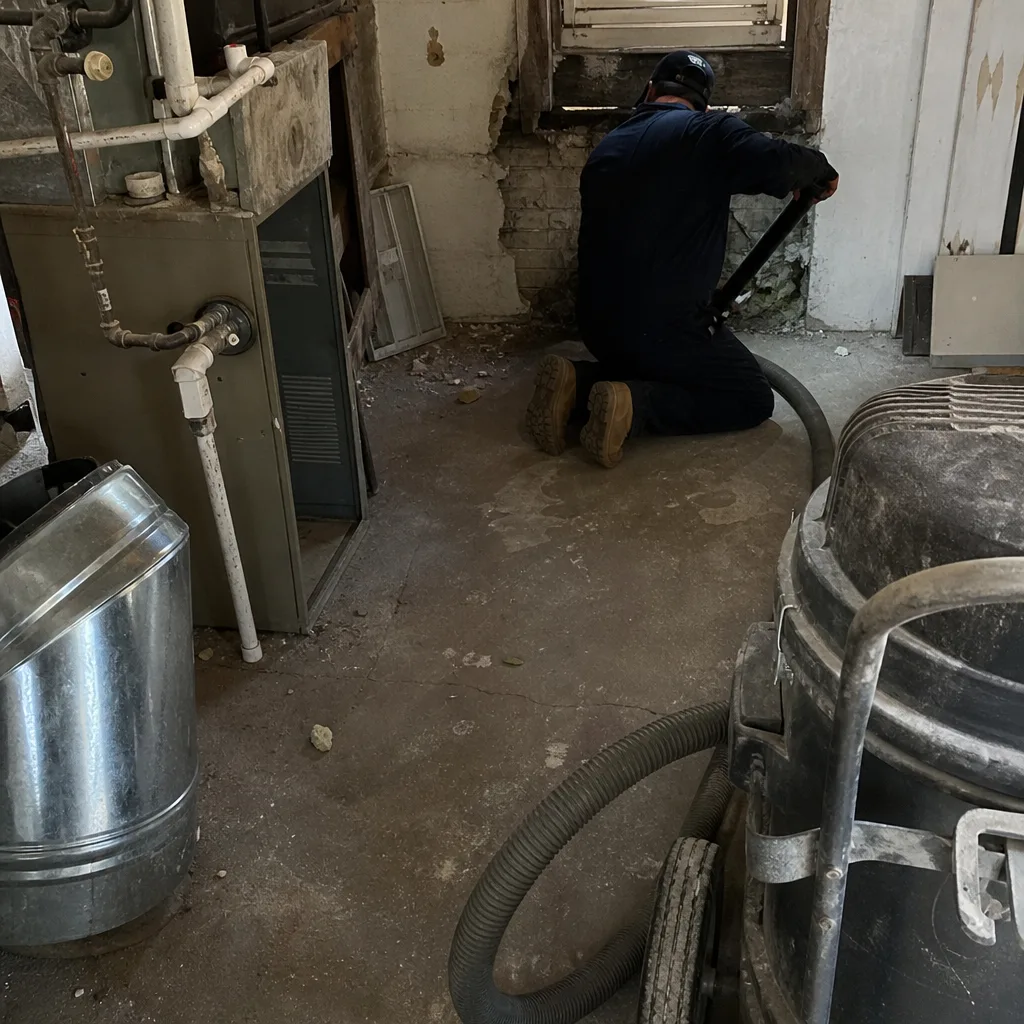 Before
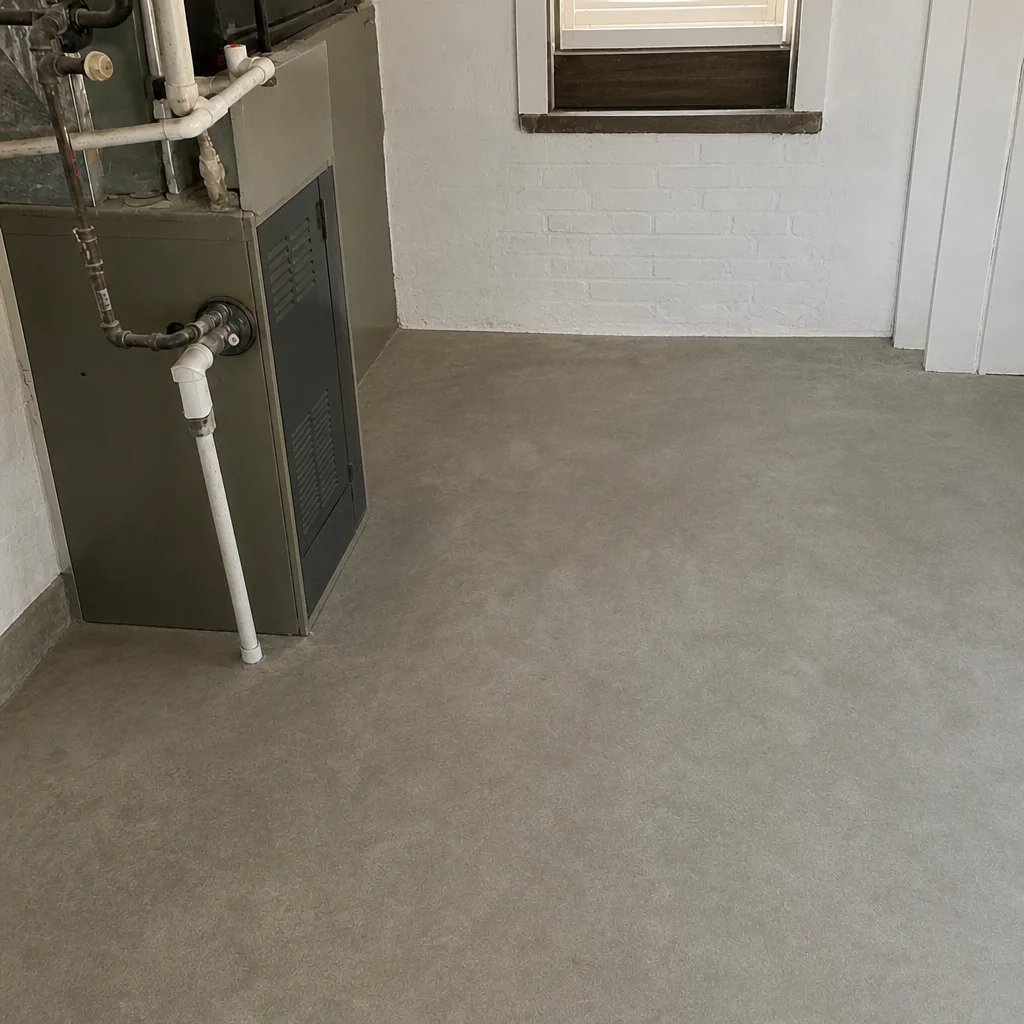 After
When to Call a Professional
Call an air duct cleaning professional in South Buffalo when any of the following applies: water entered the basement or first floor and duct runs in the floor or wall cavities were exposed; you’ve smelled oil, soot, or burning near a register; you’ve run a space heater or wood stove extensively during a power outage; you see visible staining or growth around registers or duct access points; or you’re preparing an insurance claim and need the inspection documented. The one scenario that doesn’t wait: after a flood or puff-back, keep the system off and call before restarting it.
Air Duct Cleaning South Buffalo offers free estimates in South Buffalo – call (844) 935-2565. We answer 24/7. Fast dispatch from 7am to 7pm, Sunday through Friday. The written estimate sets the final price. We can work with your insurer on documentation.
Frequently Asked Questions
Detectable microbial growth inside ducts can develop within 24 to 48 hours after water intrusion, under the right temperature conditions. The moisture that duct runs absorb after a basement flood is what supports that growth. Because Buffalo homes often have floor systems and low wall cavities where duct runs sit, the exposure window matters. Call (844) 935-2565 for a free estimate on assessment and cleaning before growth has a chance to develop.
No, not for post-flood cleanup. A shop vac can’t establish negative pressure across a duct system, can’t agitate contamination off duct walls, and can’t document the before-and-after condition an insurer will want to see. Post-flood cleaning also needs sanitizing after extraction, and standard consumer sanitizers don’t handle duct-scale jobs. Call (844) 935-2565 for a free estimate on the full scope.
A furnace puff-back is a puff of soot-laden exhaust that enters the home when an oil burner misfires or a combustion chamber backfires before proper draft is reestablished. In Buffalo winters, oil burners run hardest, so puff-backs are common. The residue is oil-derived soot, which sticks to duct walls and coats the blower. It needs different cleaning chemistry and heavier mechanical agitation than dust. Call (844) 935-2565 for a free estimate if you’ve smelled oil or seen soot near a register.
Insurers typically want pre-cleaning photographs of the affected ducts, moisture readings across the system, air quality readings before and after cleaning, a written inspection report describing the contamination and scope, and invoices that match the report line for line. Request the inspection before you tear anything out, because photographs of the system in place are worth more than photographs after removal. Call (844) 935-2565 for a free estimate on the inspection.
Space heaters don’t damage ductwork directly, but they add combustion particulate and moisture to the air that a forced-air system pulls through return registers when power comes back. Kerosene and propane units have the highest impact. Wood and pellet stoves leave a sticky film on duct interiors that holds other contaminants. Cleaning after an extended outage removes what accumulated. Call (844) 935-2565 for a free estimate.
Ask for before-and-after photographs of your own duct system, air quality readings taken before and after the work, and a written report describing what was found and what was cleaned. Use a contractor whose equipment brands are visible: Rotobrush, Nikro, and Abatement Technologies are professional-grade and identifiable. Our technicians have up to 14 years of experience, and we use the same equipment standard as commercial remediation. Call (844) 935-2565 for a free estimate.
The Bottom Line
South Buffalo’s weather events don’t just damage what they can see. Lake-effect flooding, ice storms, and furnace puff-backs leave contamination in duct systems that stays there until someone addresses it, and delay makes the job bigger. The core rules: keep the system off after a flood or puff-back until the ducts are assessed, document the damage before touching anything if you’re filing a claim, and do the pre-season inspection so a storm in January is a smaller job. Cleaning, repair, sealing, and sanitizing are one scope, not separate jobs. We handle the whole system, with professional-grade equipment from Rotobrush, Nikro, and Abatement Technologies, and sanitizing products from Honeywell, Aprilaire, and Guardsman.
Call (844) 935-2565. We answer 24/7. Fast dispatch from 7am to 7pm, Sunday through Friday. Estimates are free and the written estimate sets the final price. We can work with your insurer.
Written by the team at Air Duct Cleaning South Buffalo.