
Last updated November 25, 2026
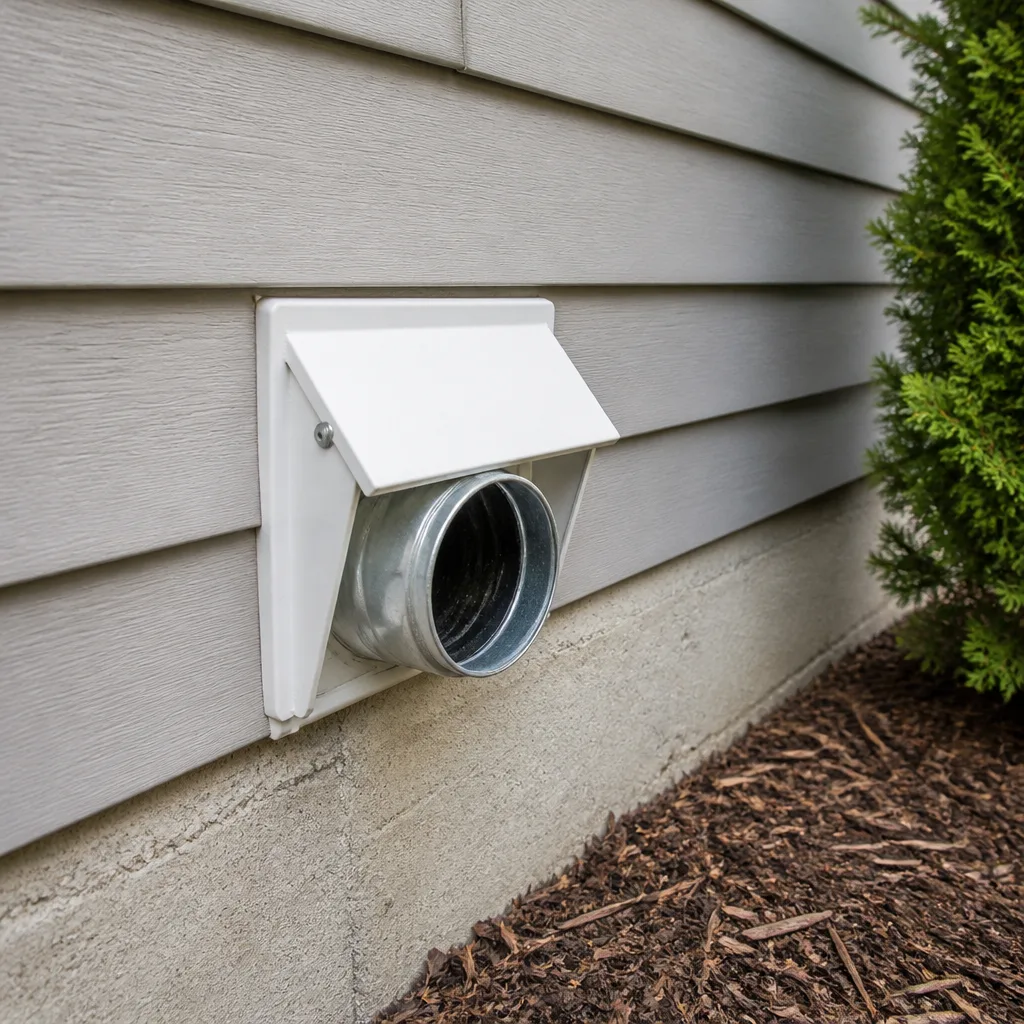 Dryer vent cleaning
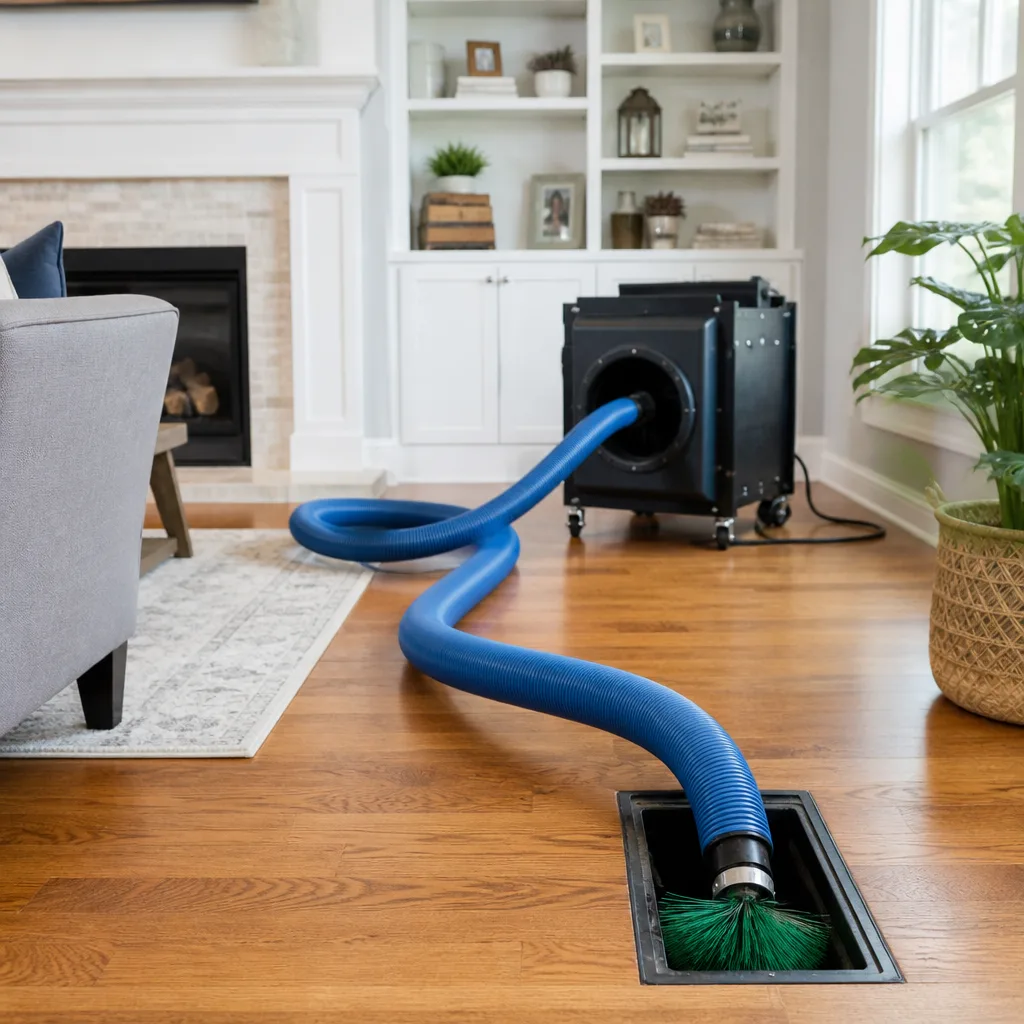 Whole-home duct cleaning
 Camera inspection
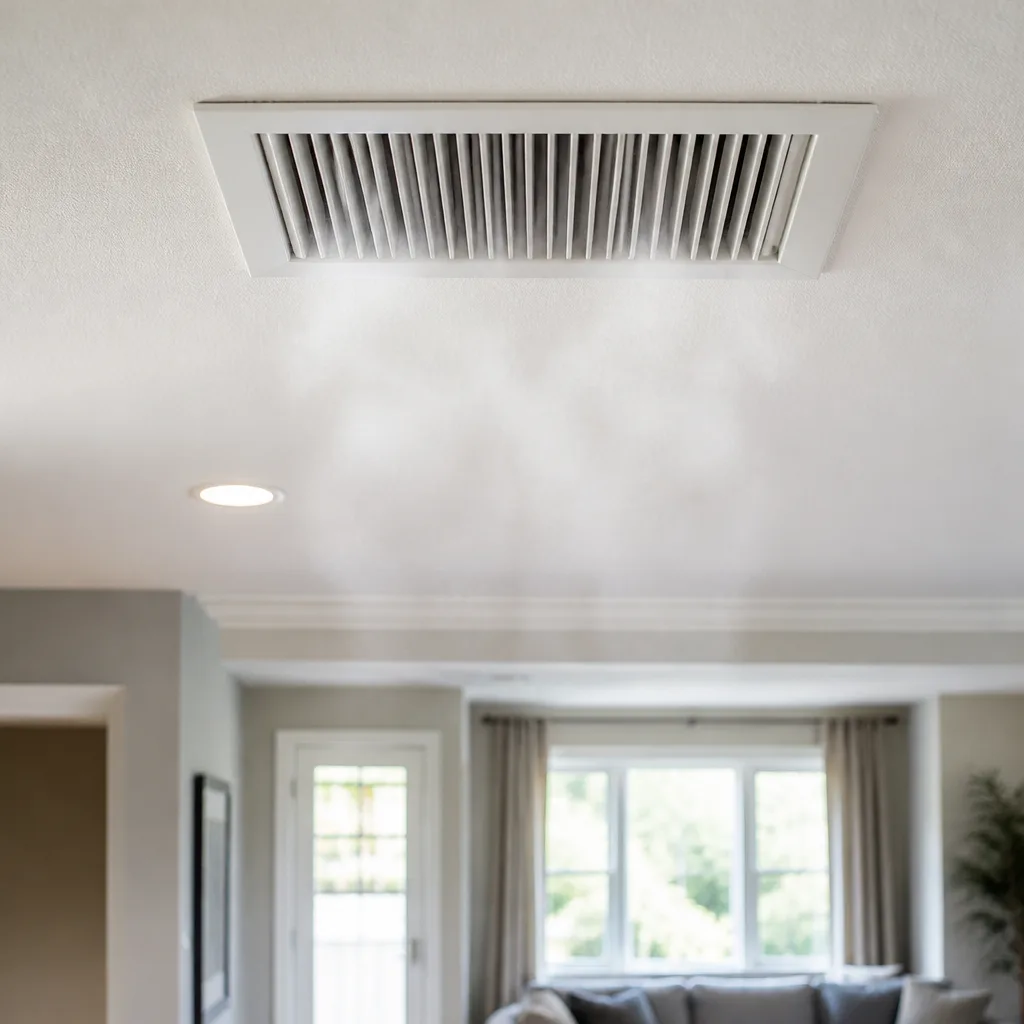 Sanitizing & deodorizing
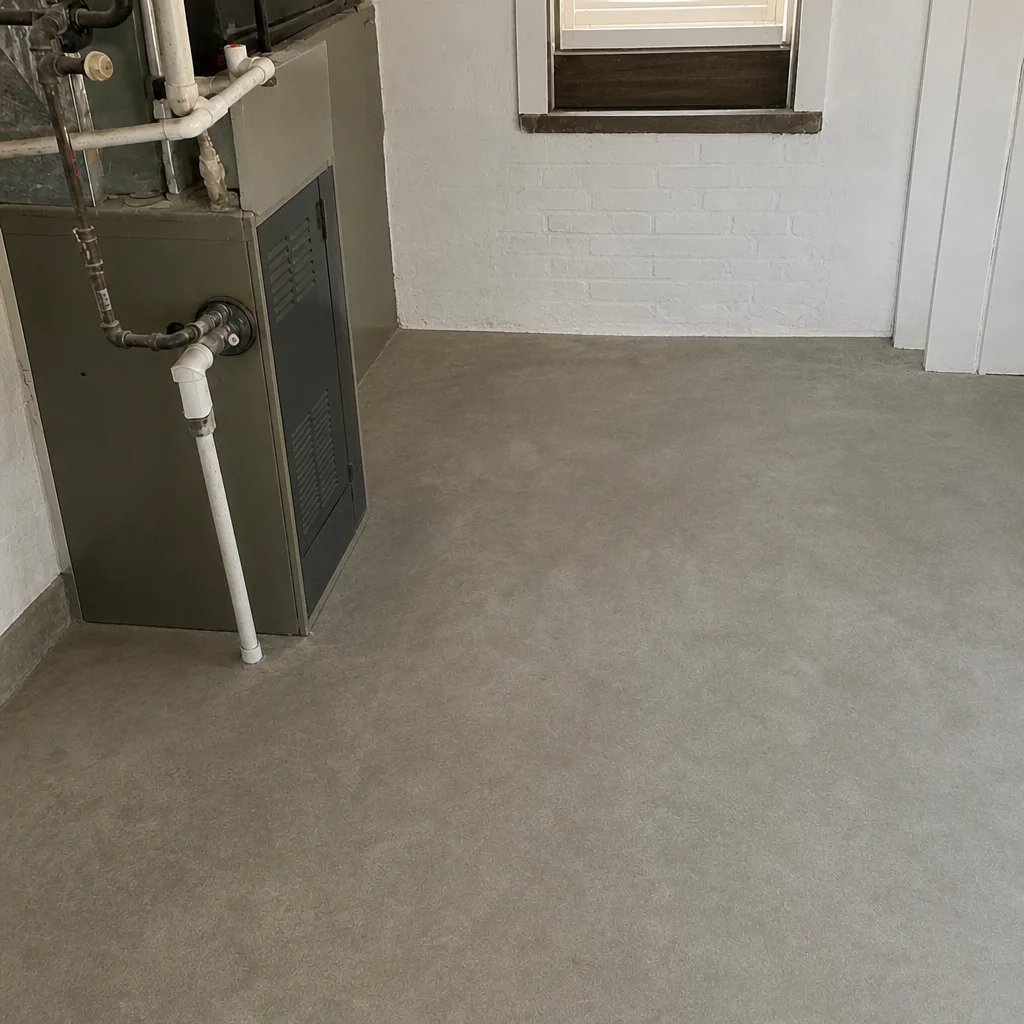
Whole-system duct and dryer vent check with before-and-after photos - you see exactly what came out of your vents
That "$99 whole-house special" is a bait ad - the real number appears once they are in your hallway, or the "clean" is a shop-vac at the register. We photograph the inside of your ducts before and after instead.
Dryer Vent Cleaning Troubleshooting in South Buffalo: Common Problems and How to Fix Them
If your dryer still runs hot and slow after a cleaning, the vent wasn’t your only problem – and calling the same company back for a second cleaning won’t fix it. Most homeowners assume every slow dryer is a lint clog, so they book a cleaning, watch a ball of fuzz come out, and expect the drying time to drop. Sometimes it does. Sometimes it improves for two weeks and then slides right back. The difference usually isn’t how thorough the cleaning was. It’s whether the actual problem was ever diagnosed as a blockage, a crushed duct section, a failed booster fan, or vent material that shouldn’t have been installed in the first place. This guide walks through each one, shows you the clues your system gives you, and explains what South Buffalo homes tend to run into.
Quick Answer
A dryer that stays slow after cleaning usually has one of four problems: a blockage deeper in the run than the cleaning reached, a crushed or kinked duct section hidden behind a wall, a booster fan that has failed or was never sized right, or flexible foil duct that has collapsed or torn and keeps trapping lint. Cleaning only solves the first one. The other three are repair or replacement issues, and diagnosing which you have is the whole job.
Styles & brands we work with
- Whole-home duct cleaning
- Dryer vent cleaning
- Camera inspection
- Sanitizing & deodorizing
Table of Contents
- Blockage or crushed duct? How to tell them apart
- Why drying times improve, then get worse again
- Testing for backdraft in cold weather
- Flexible foil duct versus rigid metal
- Booster fans: the real fix or a mask?
- Why long vent runs fail first in South Buffalo homes
- What you can safely check yourself
- Common mistakes to avoid
Blockage or Crushed Duct? How to Tell Them Apart
From the laundry room, a clogged vent and a crushed duct feel almost identical. The dryer gets hot, clothes come out damp, and the cycle runs long or needs a second pass. The difference lives inside the run, and the way to distinguish them is to watch how the system behaves during and right after a cycle.
A blockage is a volume problem. Something is filling the pipe, usually lint, and the dryer has to push air through a smaller opening. A crushed section is a shape problem. The pipe itself has collapsed, folded at a corner, or been stepped on during a renovation, so the air has nowhere to go no matter how clean the interior is. A cleaning rod or vacuum can pass a blockage. It can’t open a flattened pipe.
Here are the clues that separate them:
- Blockage clues: the dryer runs hot to the touch on top, the exterior vent flap barely lifts or stays closed, and the laundry room gets humid. After a proper cleaning, drying times improve right away and stay improved.
- Crushed duct clues: the dryer gets hot but the exterior flap never really opens, even after cleaning. Airflow at the outside termination feels weak but steady. The run may have a long flexible section behind the dryer that’s folded back on itself, or a transition elbow that was crushed during installation. Cleaning changes nothing, or almost nothing.
- Both at once: a crushed section traps lint in front of it, so you get a clog that comes back quickly. This is the most frustrating version because it looks like a cleaning problem over and over again.
If a cleaning tech tells you the vent is clean but the dryer still underperforms, ask what the airflow measured at the termination and whether the transition duct behind the dryer was inspected. A competent inspection includes the duct repair & sealing conversation, because a crushed transition is a repair, not a cleaning.
Why Drying Times Improve, Then Get Worse Again
This is one of the most common complaints we hear in South Buffalo, and it points to a different problem than a simple clog. When drying times bounce back to normal after a cleaning and then degrade again within a few weeks, something is actively putting lint back into the vent or restricting airflow in a way the cleaning can’t correct.
The usual culprits:
- Flexible foil or vinyl duct that’s collapsing or torn. The ribs of flexible duct catch lint like a comb. Even a clean flexible run starts loading up again quickly because the interior surface is rough. If the material is torn at a joint, lint escapes into the wall cavity and the pipe backs up fast.
- Bird or rodent re-entry at the exterior termination. A hood with a broken flap or a missing screen gives birds a way in. Nests go up in a hurry, sometimes within days of a cleaning, and they block airflow just like lint.
- Lint bypassing a crushed section and packing in front of it. A flattened pipe traps lint against the restriction. Cleaning clears it, then the next few loads push more lint back into the same dead spot.
- A disconnected joint inside the wall or attic. Air and lint blow into the structure instead of outside, which reduces drying efficiency and can leave lint in a place it should never be.
- The dryer itself. A failing blower wheel or a partially clogged lint screen housing inside the machine can mimic a vent problem. If the vent tests clean and open, the dryer is worth checking.
The pattern to watch for is timing. If drying times improve and stay improved for months, you had a clog. If they degrade inside a month, you have material, routing, or re-entry causing the problem, and the answer is repair or replacement, not another cleaning.
Testing for Backdraft in Cold Weather
Backdraft is when air that should push out of the vent gets pushed back into the house, and cold weather makes the problem easier to spot. In South Buffalo, where winter temperatures routinely drop low enough to slow airflow in a long exterior run, backdraft is more common than homeowners realize. The cold makes the vent air heavier and can cause a marginal system to fail.
Here’s a simple test you can run safely, without opening the duct or touching anything hot:
- On a cold day, run the dryer on a normal heat cycle with a small load.
- Go outside and watch the exterior termination. The flap should lift and stay open with steady airflow for the length of the cycle.
- Go back inside and hold a piece of tissue or a thin strip of tissue paper near the lint trap area or the duct connection behind the dryer while the dryer is running. If the tissue pulls toward the machine and holds, the system is drawing air in. If it gets blown away from the connection, you have backdraft.
- Notice condensation on the outside of the vent pipe or frost forming near the termination. Cold-weather condensation inside a long run can wet lint and pack it into a hard plug, which is a body-working sign of backdraft or a restricted run.
Long vent runs on the exterior of the house are more susceptible because the duct spends more of its length in cold air. The longer and colder the run, the harder the dryer has to work, and the more likely a marginal system tips into backdraft. If your dryer runs fine in July and slow in January, that’s the pattern to watch.
Flexible Foil Duct Versus Rigid Metal: Why It Matters
The material inside your walls determines whether a problem is a cleaning job or a replacement job. Flexible foil duct is fine for the short transition behind the dryer, but when flexible runs are used for the full length of the vent, you have a cleaning problem that never really goes away. Rigid metal duct with smooth interior walls is the material that keeps airflow predictable.
- Flexible foil duct: ribbed interior catches lint on every bellows fold, sags between supports, collapses at tight bends, and can tear at joints. When it fails, cleaning helps briefly, then lint packs in again. This material is a replacement problem more than a cleaning problem.
- Flexible vinyl duct: discouraged in most modern installation practice because it can melt or burn under heat and it traps lint badly. If you find it, it’s replacement material.
- Rigid metal duct (galvanized or aluminum): smooth interior, holds its shape, cleans out thoroughly. If this material is installed correctly with as few elbows as possible, a cleaning actually works.
- Semirigid metal: a middle ground that’s more durable than foil but still has some interior ridges. Good for transitions and short runs where rigid is hard to fit.
The practical takeaway: if a cleaning company tells you your vent is clean but doesn’t tell you what material the run is made of, they’ve only done half the diagnostic. In South Buffalo’s older housing stock, flexible runs retrofitted in the 1980s and 1990s are a common find, and many of them have been crushed or torn by now. Replacing a failed flex run with rigid metal is what makes the next cleaning actually stick.
Booster Fans: The Real Fix or a Mask?
A booster fan is an inline blower installed in a dryer vent run to push air along a long or complicated path. When it’s sized and installed correctly for a genuinely long run, it’s a legitimate solution. When it’s installed to compensate for a crushed duct or a maze of elbows, it’s masking a routing problem that will eventually win.
Think of it this way: a booster fan adds pressure, but it can’t fix a restriction. If the duct behind the fan is crushed, the fan just pushes against a wall. If the boiler fan is compensating for a run that was routed badly through a dozen elbows and a cold exterior wall, the fan’s own motor is doing the work the dryer should be doing, and it will fail earlier than it should.
Signs a booster fan is masking rather than fixing:
- The fan runs constantly, cycles on and off, or makes grinding or rattling noises.
- Drying times got better when the fan was installed but have been creeping back up.
- The vent run has obvious tight bends, flex sections, or a distance that seems long for the dryer’s rated capacity.
- The flap at the exterior termination still moves weakly even with the fan running.
The right sequence is to diagnose first: measure the run, inspect the elbows, check the material, and confirm the dryer’s blower is healthy. If the run is clean and open but genuinely long, a correctly sized booster fan makes sense. If the run has a crush or a bad routing, fix that first and see how the system performs before adding a fan. A fan installed on top of a bad run just adds a component that will also need servicing.
Why Long Vent Runs Fail First in South Buffalo Homes
South Buffalo’s housing stock includes a lot of homes where the laundry ended up in a basement or a back addition, and the vent run from there to the exterior can be twenty, thirty, even forty feet with several elbows. Every foot of length, every elbow, and every cold exterior section reduces the dryer’s ability to push air. This is why the same dryer that works fine in a short run will struggle in a long one.
The factors that stack up in local homes:
- Basement laundry rooms routed up an exterior wall and out through the rim joist, which puts a lot of the run in cold air.
- Additions and enclosed porches where the dryer was moved but the original vent run was extended with flex duct rather than rebuilt in rigid.
- Older masonry walls where the termination is a tight thimble with a small flap, and the flap corrodes or sticks over time.
- Winter condensation in cold runs that wets lint and turns it into a plug.
If your dryer is on a long run, plan on more frequent vent inspections, not just more frequent cleanings, and ask specifically whether a booster fan or a reroute would help. In our experience, a long run built in rigid metal with clean joints and a properly sized booster fan is a reliable system, while the same length built in flex will keep giving you trouble no matter how often it’s cleaned.
What You Can Safely Check Yourself
Some dryer vent issues are safe to inspect from the outside and from the laundry room. Others involve opening the machine, removing panels, or working inside the duct, and those belong with a trained professional. Knowing which is which protects you and your dryer.
Safe for a homeowner to check:
- The exterior termination flap: does it open when the dryer runs, and is it free of lint and debris?
- The lint trap and its housing: clean before each load and vacuum the screen housing periodically.
- The short transition duct behind the dryer: is it intact, not crushed, and not disconnected?
- Visible flexible duct in an unfinished basement: look for sagging, tears, or fold-overs.
Leave to a professional:
- Disassembling the dryer to reach the internal blower and lint housing.
- Opening walls or ceilings to inspect duct runs.
- Removing or replacing vent material.
- Anything involving electrical connections, gas lines, or a booster fan install.
- The interior of a vent run more than a few feet long, where you can’t see what you’re doing.
If you’re not sure whether a symptom is a cleaning problem or a repair problem, that uncertainty is the sign to get an inspection. A professional-grade inspection uses equipment that sees and measures what a flashlight can’t.
Common Mistakes to Avoid
- Assuming a cleaning will always fix a slow dryer. If the vent is clean and the dryer still underperforms, the problem is a shape issue, a material issue, or a fan issue, and repeating the cleaning won’t help.
- Replacing flexible duct with more flexible duct. Swapping one foil run for another just restarts the clock. Rigid metal is the fix, and it outlasts the machine.
- Adding a booster fan before diagnosing the run. A fan can’t push air through a crushed pipe, and installing one to mask a routing problem wastes money and fails sooner.
- Ignoring the exterior termination. A stuck flap or a missing screen is a common entry point for birds and rodents, and it can undo a cleaning within weeks.
- Trusting a company that doesn’t inspect material and routing. A cheap cleaning that only vacuums the run misses the crushed flex, the disconnected joint, and the failed booster fan. Ask what they check before you book.
- Skipping the winter check. Cold-weather backdraft and condensation are specific South Buffalo problems. If your dryer slows every January, that’s a pattern, not a coincidence.
- Doing the deep work yourself. Dryer vent systems involve electrical connections, sometimes gas, and always fire risk. Cleaning and repair should be completed by a trained professional.
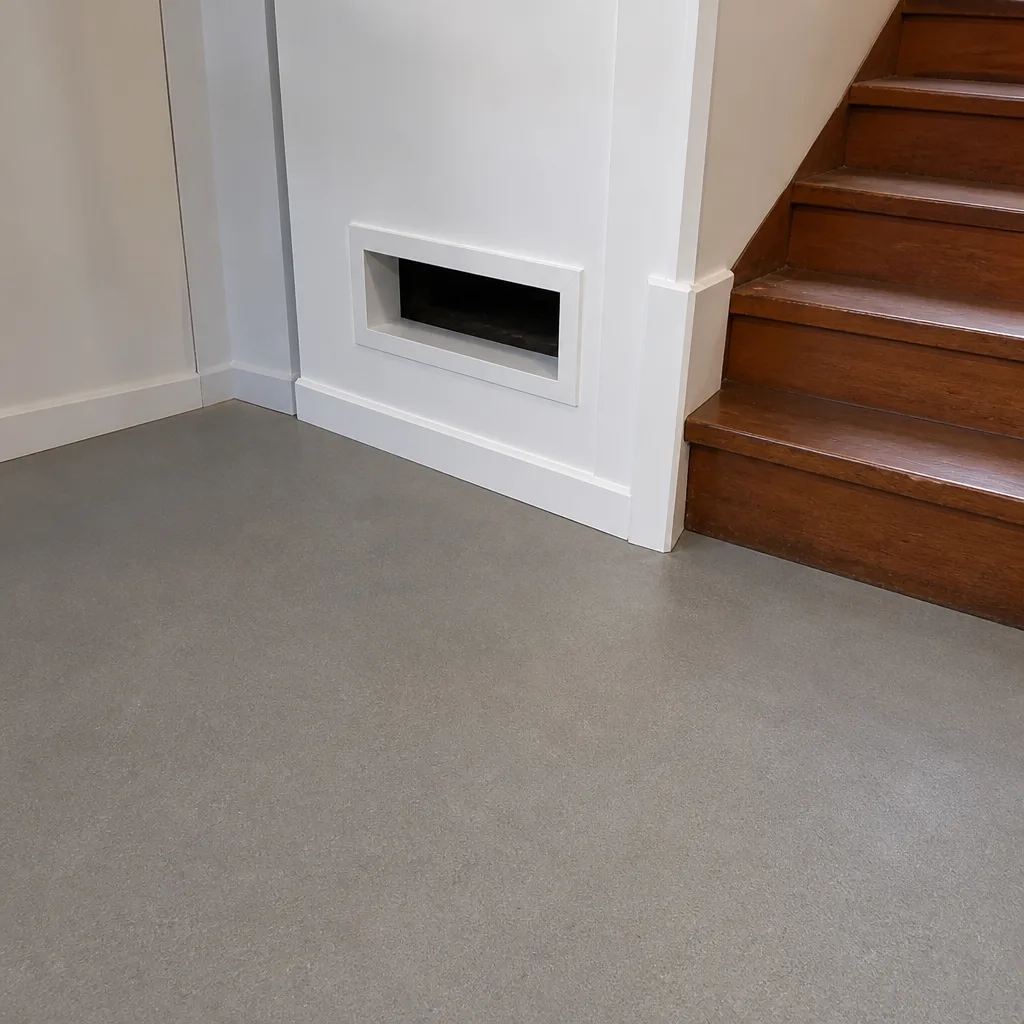
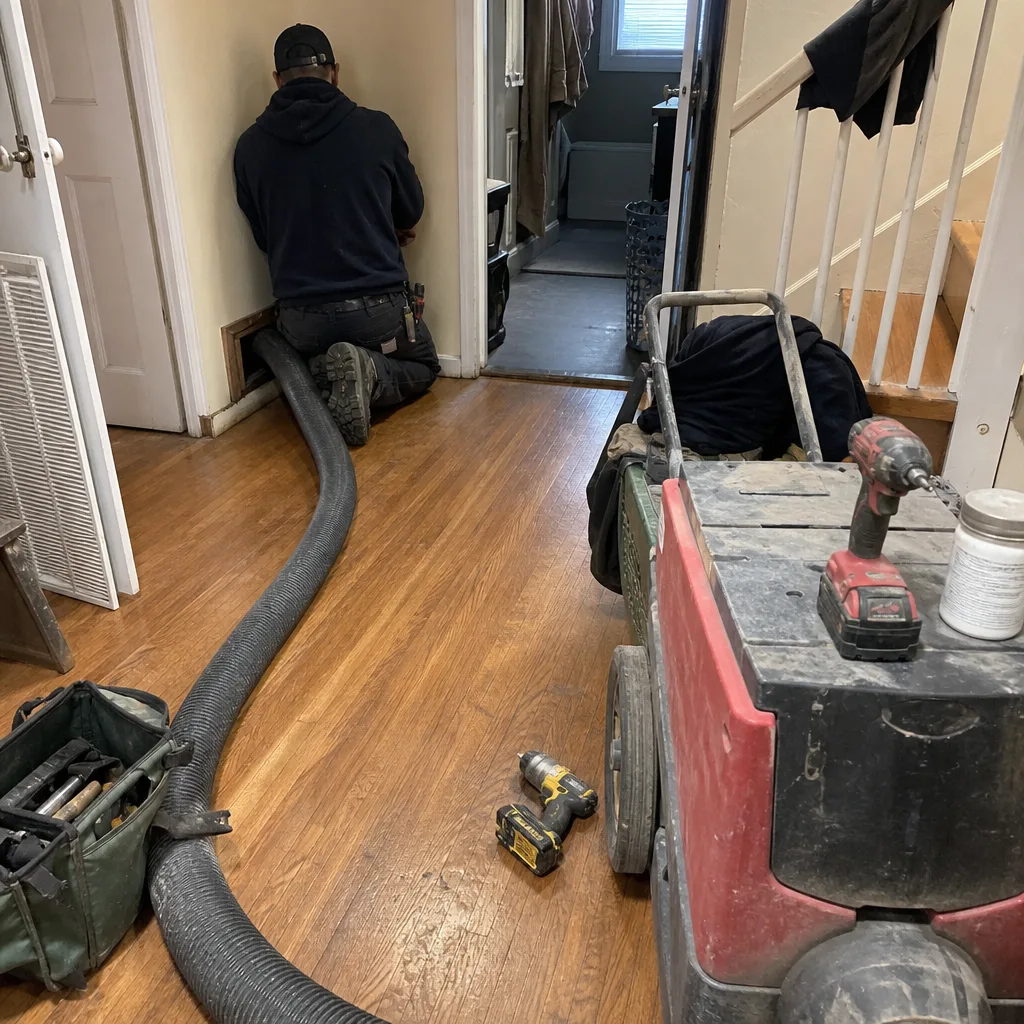
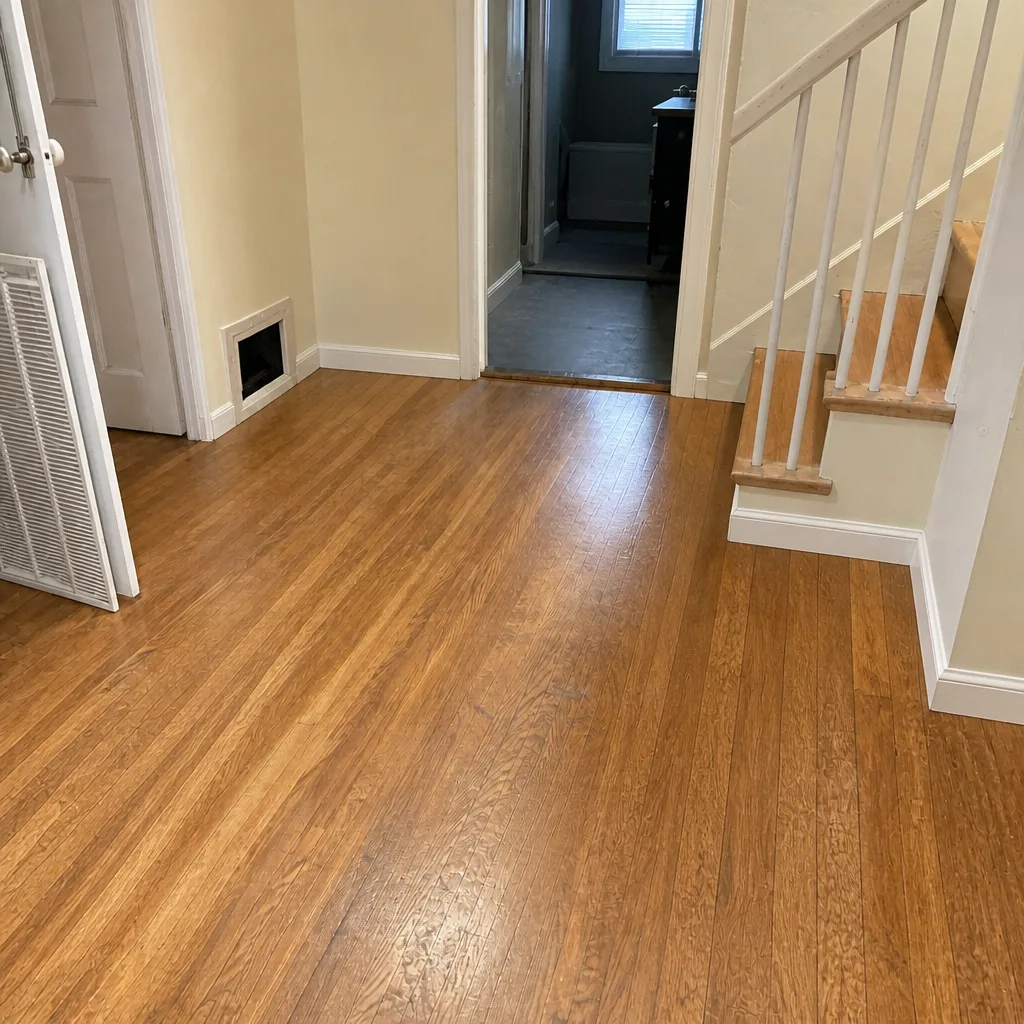
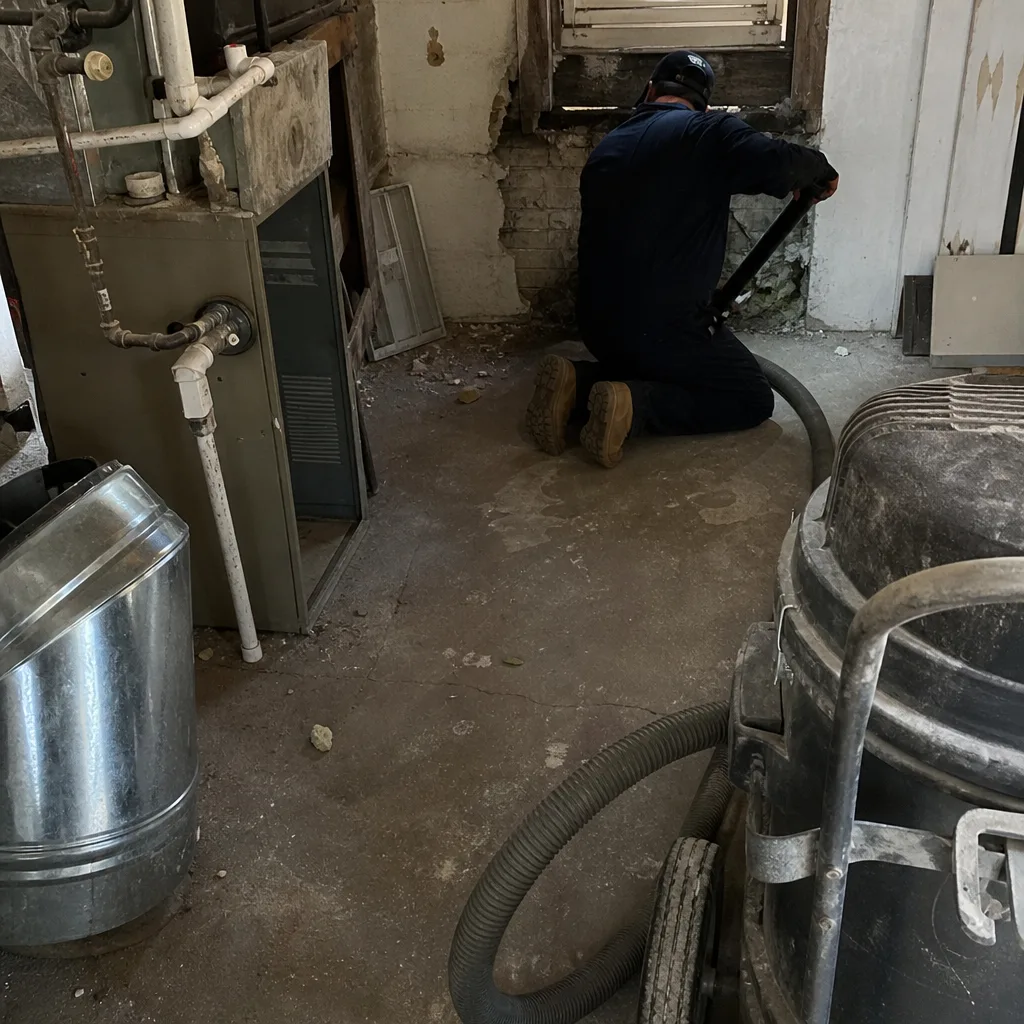
See the difference
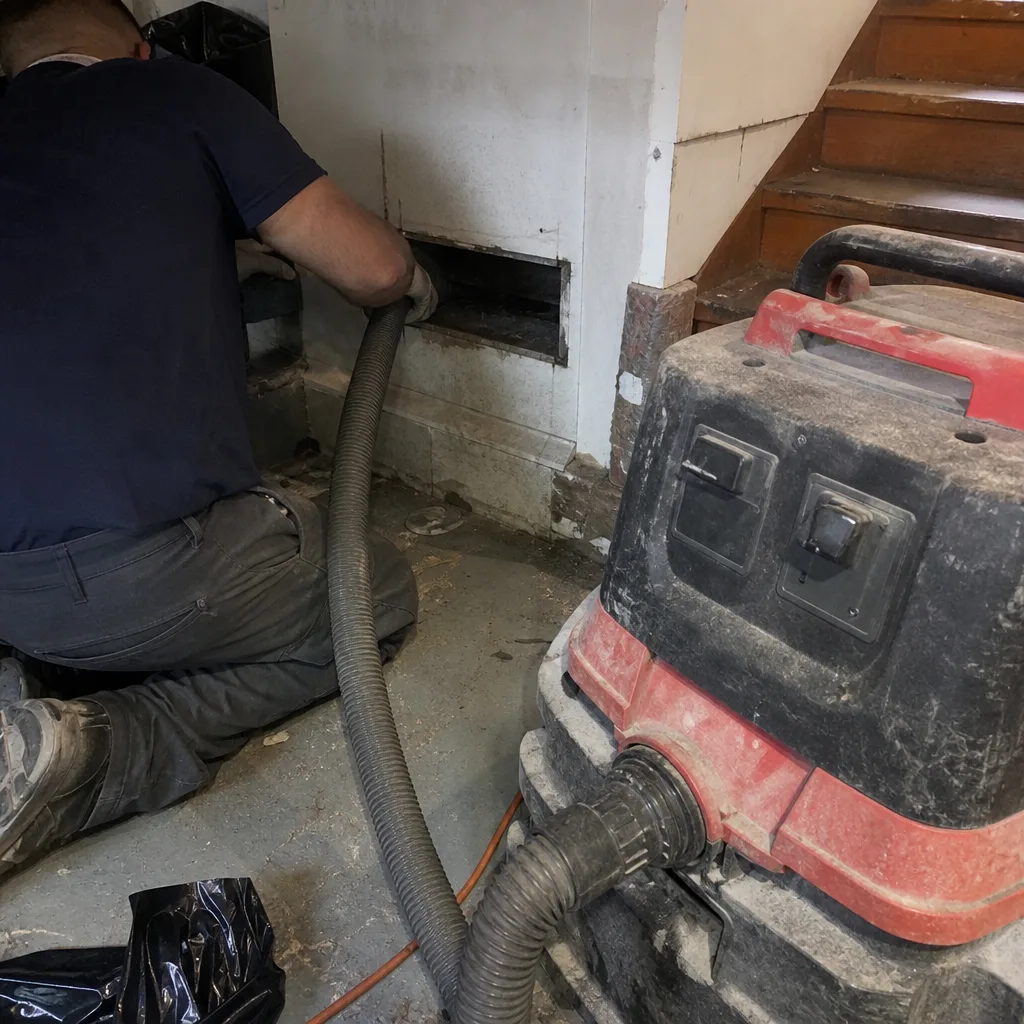 Before
 After
 Before
 After
 Before
 After
When to Call a Professional
Call a professional when a cleaning has already been done and the dryer still runs long, when drying times improve and then degrade within a month, when the exterior flap doesn’t move, when you suspect a booster fan has failed, or when the visible duct is flex and you’ve been told it’s “fine.” Those are the cases where the next step is diagnosis and repair, not another cleaning. If you smell hot lint, see scorching, or your dryer trips a breaker, stop using it and get the system checked. In our experience at Air Duct Cleaning South Buffalo, most of these calls resolve to one of the four problems covered on this page, and the fix is a repair or a routing correction rather than a repeat cleaning. We use Rotobrush and Nikro equipment for the cleaning side and Abatement Technologies gear for air quality and contaminant control, so a single visit can diagnose, clean, repair, seal, and sanitize under one roof. Air Duct Cleaning South Buffalo offers free estimates in South Buffalo – call (844) 935-2565.
Frequently Asked Questions
Dryer vent cleaning in South Buffalo typically falls in a range that depends on the length and material of the run and whether repair is needed. Short, straightforward rigid runs cost less than long flex runs that need inspection and rework, and any job that involves replacing material or adding a booster fan is priced separately. Estimates are free, and the written estimate sets the final price before any work starts. Call (844) 935-2565 for an exact quote.
A dryer that still takes two cycles after a cleaning almost always has a problem a cleaning can’t fix: a crushed duct section, flex material that’s trapping lint again, a failed booster fan, or a dryer blower that’s losing pressure. The cleaning removed the blockage, but the restriction is structural. A proper diagnostic checks material, routing, and airflow, not just lint volume.
Flexible foil duct is a problem when it’s used for the full length of the run rather than just the short transition behind the dryer. The ribbed interior traps lint, sags between supports, and can crush at tight bends, so a cleaning clears it briefly and then lint packs in again. Rigid metal is the durable fix.
You need a booster fan only when the run is genuinely long and open and the dryer’s own blower can’t move enough air. If the run has a crush, a disconnected joint, or a maze of elbows, a fan masks the problem instead of fixing it. Sized and installed correctly for a long open run, a booster fan is a legitimate solution; installed to compensate for bad routing, it fails sooner.
Cold weather makes backdraft and condensation more likely in long exterior vent runs. The cold air in the duct slows airflow, condensation wets trapped lint into a hard plug, and a marginal run that works in summer can fail in January. If your dryer slows every winter, that’s a sign to inspect the full run, not just vacuum the lint trap.
For a short, rigid run used by a household of two to four people, a yearly cleaning is a reasonable baseline. Longer runs, flexible duct, homes with pets, or heavy laundry volume call for more frequent inspection. The more useful question is whether the run is designed well; a system that keeps failing is telling you to repair it, not just clean it more often. Call (844) 935-2565 for an exact quote – estimates are free.
The Bottom Line
Dryer vent problems fall into four buckets: blockage, crushed duct, failed booster fan, and bad vent material. Only the first is solved by cleaning alone, which is why a slow dryer that’s just been cleaned is a diagnostic problem, not a cleaning problem. If drying times improve and then degrade quickly, look at material and re-entry. If the exterior flap doesn’t move, look at restriction and fan health. If your dryer struggles every winter, suspect backdraft and condensation in a long run. The fix starts with an honest inspection of the whole run, and that’s what we do. We handle cleaning, repair, sealing, and sanitizing under one roof with professional-grade Rotobrush, Nikro, and Abatement Technologies equipment.
Contact Air Duct Cleaning South Buffalo
For a free estimate on dryer vent cleaning, duct repair, or a full-system inspection in South Buffalo, call (844) 935-2565. We answer 24/7. Fast dispatch, 7am-7pm, Sunday through Friday. Our technicians have up to 14 years of experience, and we offer a flat price per system agreed before work starts, so there are no surprise add-ons after the fact.
Written by the team at Air Duct Cleaning South Buffalo.