
Last updated November 25, 2026
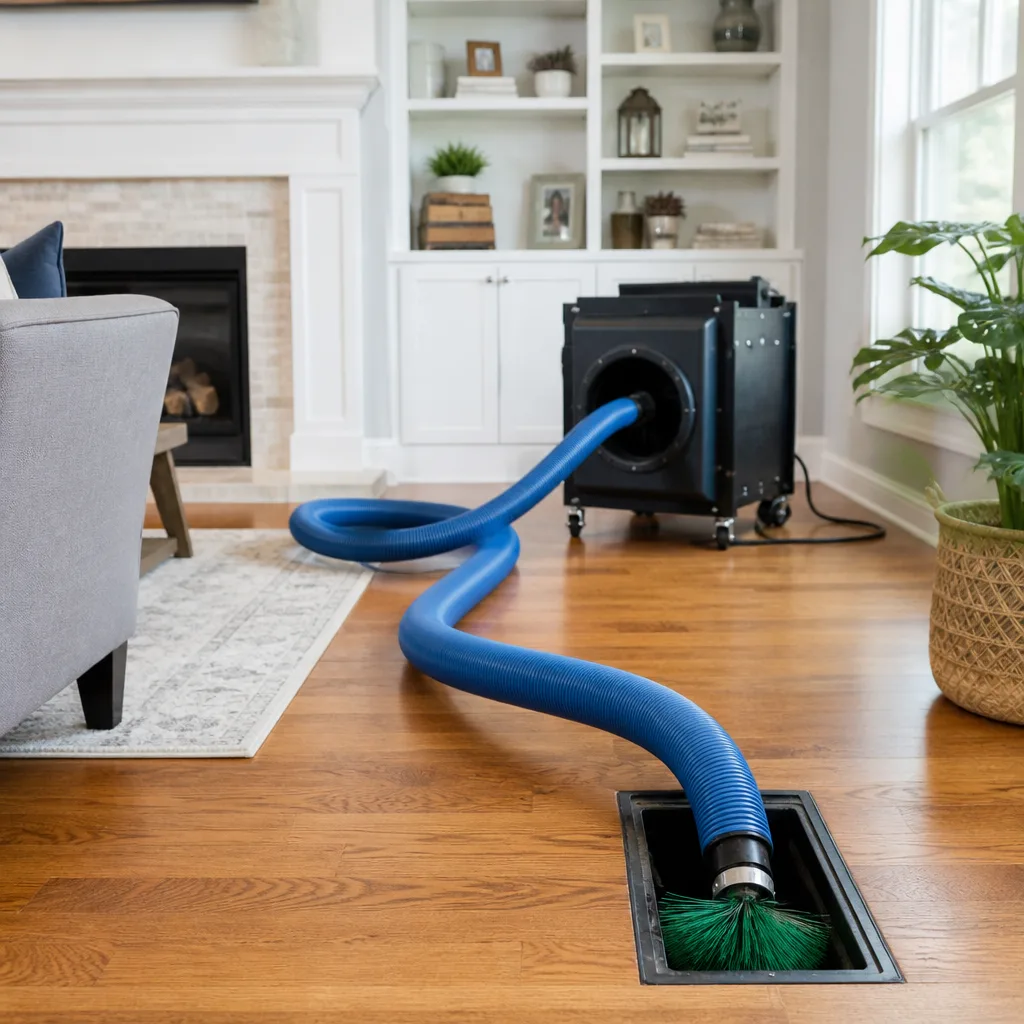 Whole-home duct cleaning
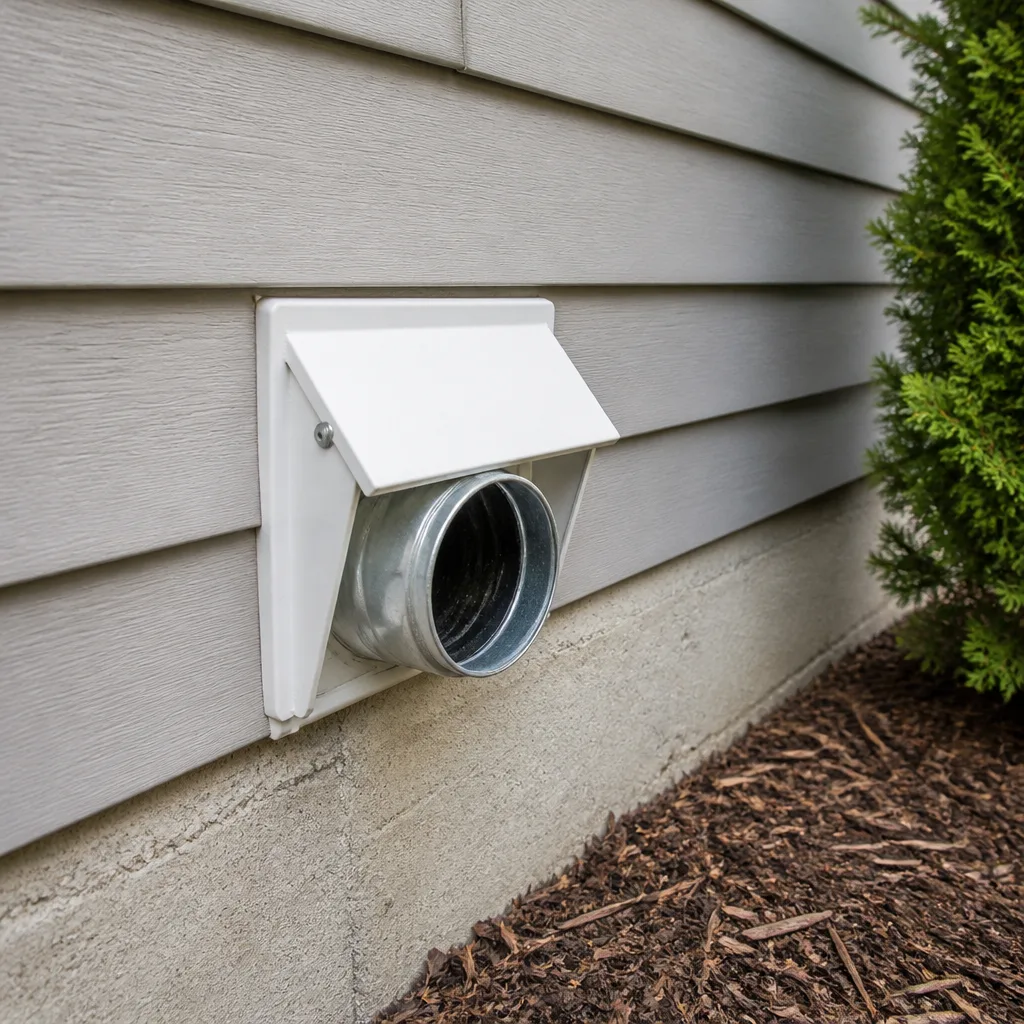 Dryer vent cleaning
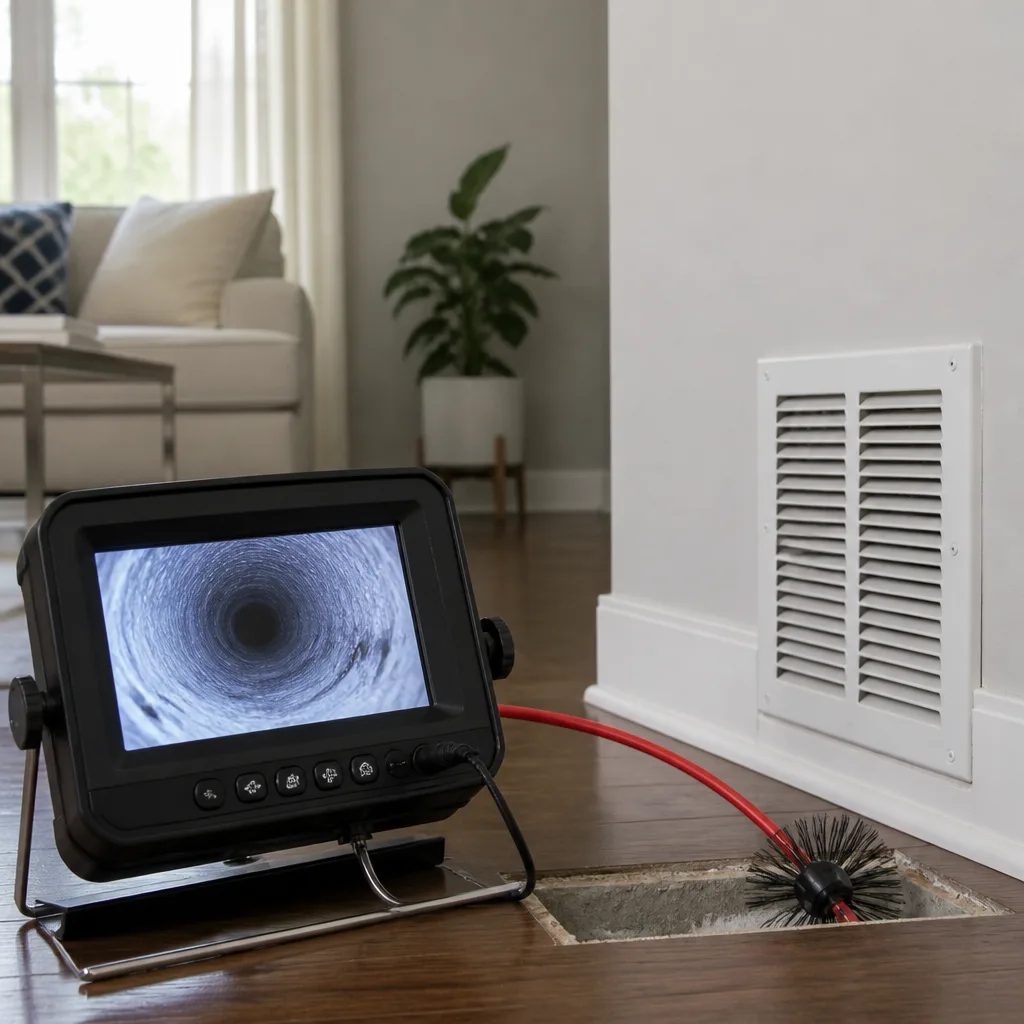 Camera inspection
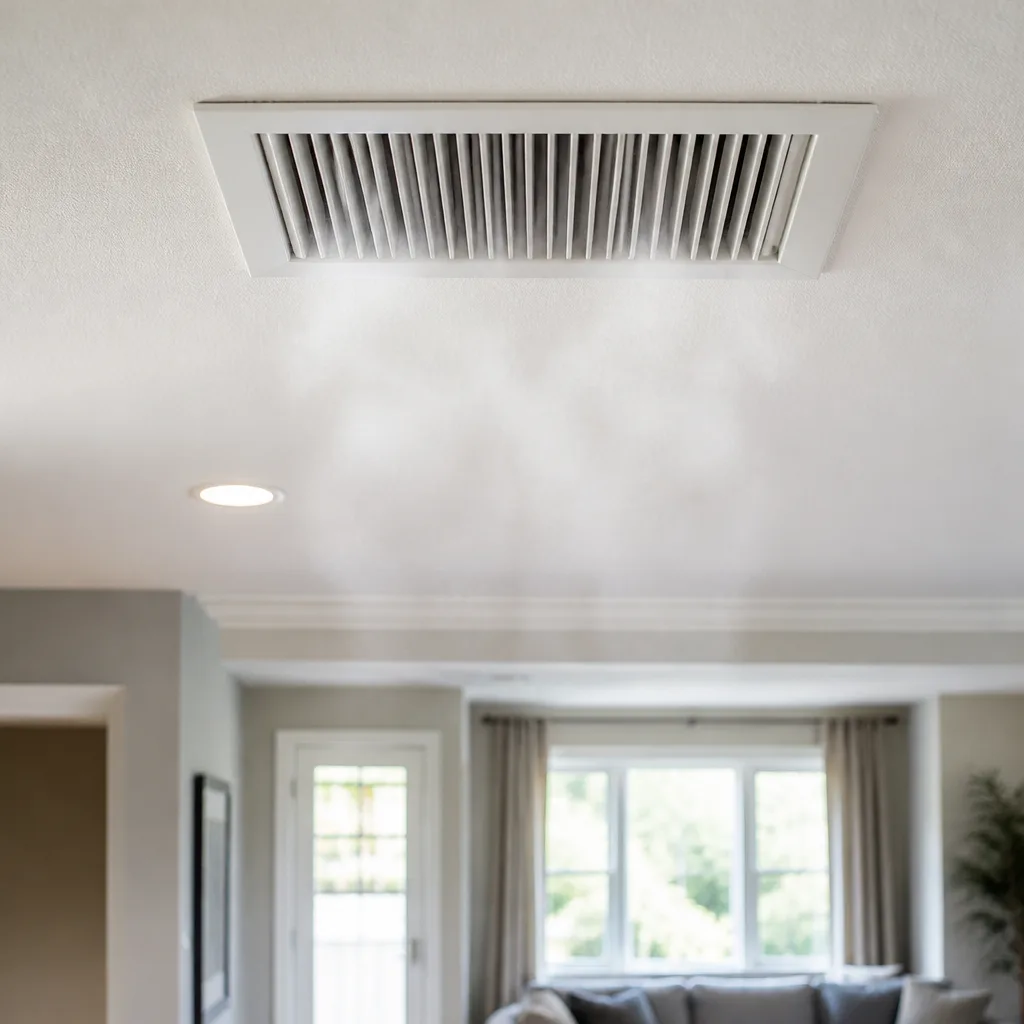 Sanitizing & deodorizing
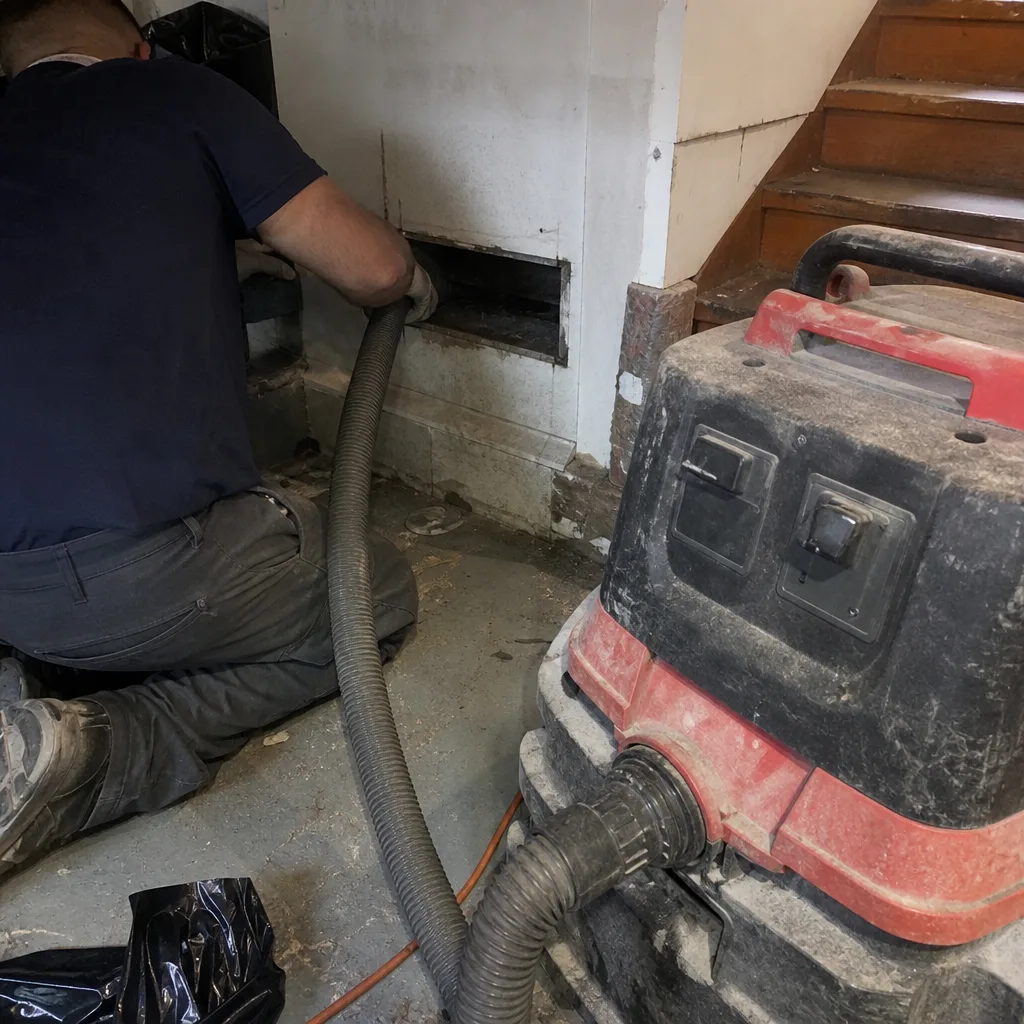
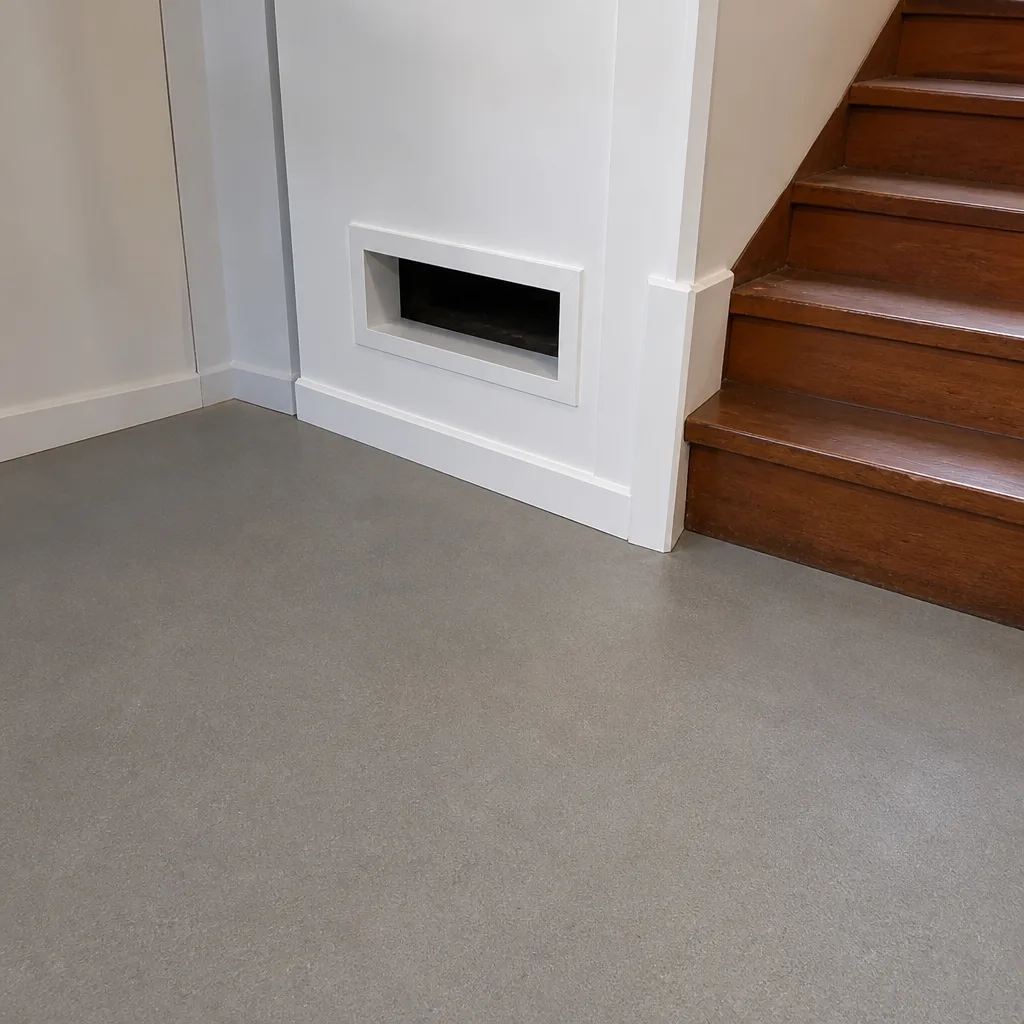
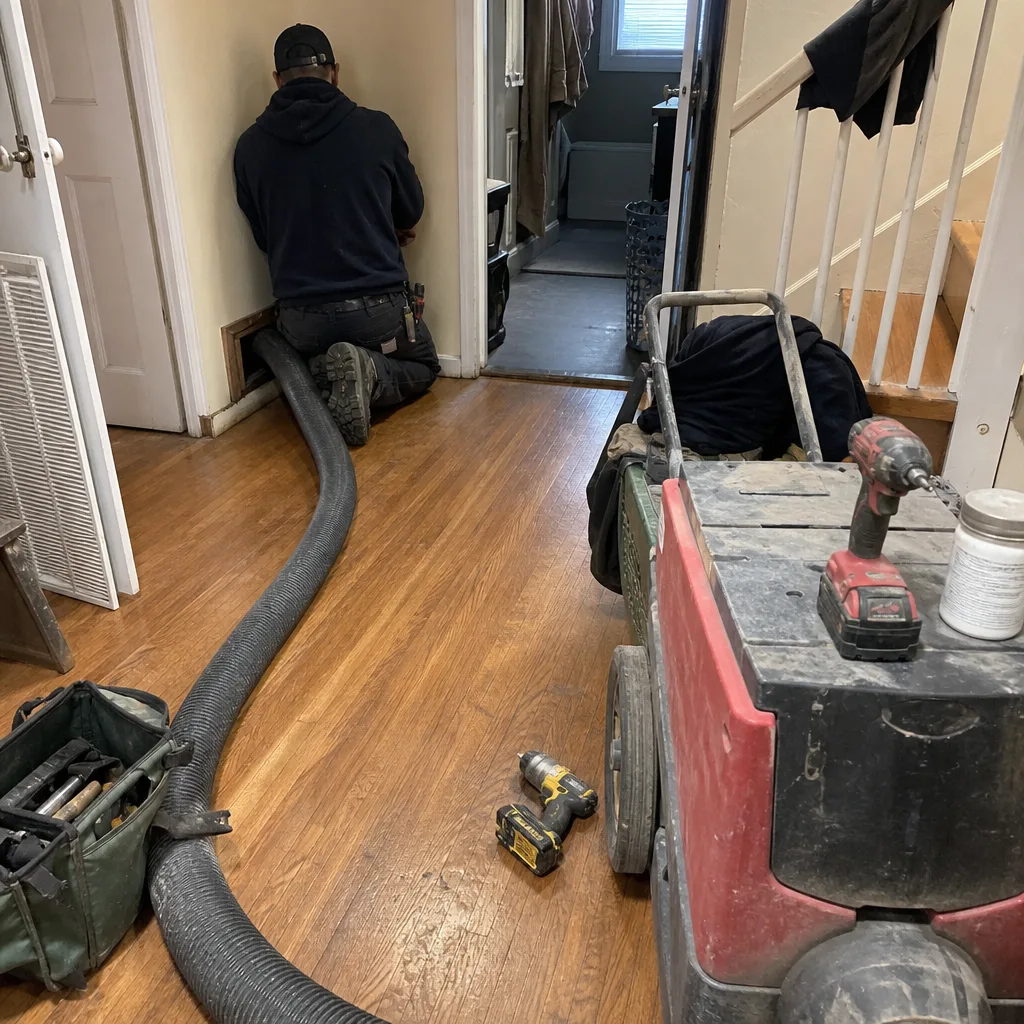
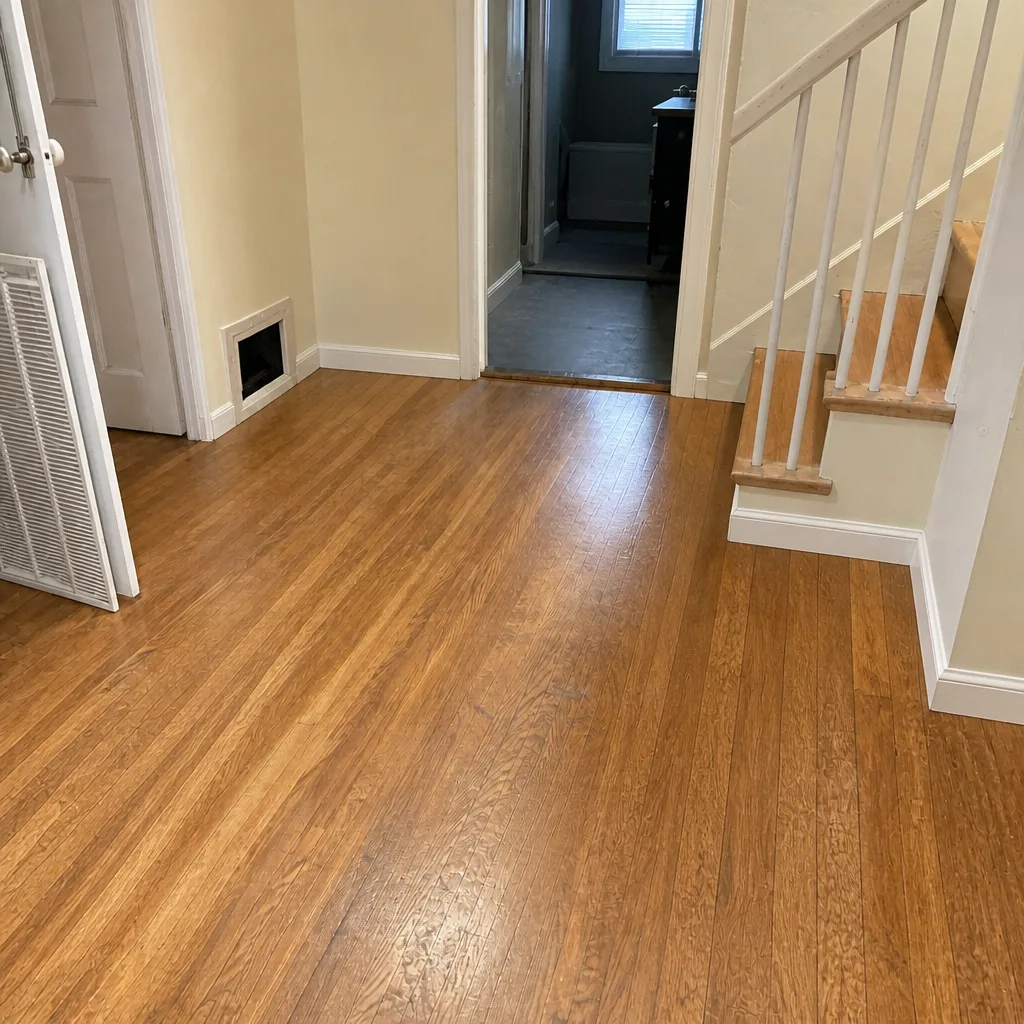
Whole-system duct and dryer vent check with before-and-after photos - you see exactly what came out of your vents
That "$99 whole-house special" is a bait ad - the real number appears once they are in your hallway, or the "clean" is a shop-vac at the register. We photograph the inside of your ducts before and after instead.
Choosing the Right Air Duct Cleaning Brand: A Buyer’s Guide for South Buffalo
Most homeowners start this search by comparing company names, which is the wrong first move. Air duct cleaning doesn’t have brand tiers the way heating and cooling equipment does. There’s no Carrier versus Lennox question to settle here. What separates one contractor from another is the equipment platform they own and know how to run: a Rotobrush system, a Nikro portable unit, an Abatement Technologies negative air machine, or a wet/dry vacuum from the hardware store. That’s the real choice on the table. This guide walks through how to evaluate a contractor by machinery and service scope instead of by logo, with local context for South Buffalo housing stock and what actually matters when you’re comparing bids.
Styles & brands we work with
- Whole-home duct cleaning
- Dryer vent cleaning
- Camera inspection
- Sanitizing & deodorizing
Quick Answer
Choose an air duct cleaning contractor in South Buffalo by the equipment platform they bring and the scope of work they can complete, not by company branding. A credible operator runs professional machinery like Rotobrush or Nikro systems, can adapt to different duct layouts with more than one method, and handles cleaning through repair, sealing, and sanitizing rather than handing you off to a second vendor. Ask for equipment specifics during the quote, verify the claims, and compare whole-system estimates instead of headline prices.
Table of Contents
- Why “Brand” Means Something Different in Air Duct Cleaning
- The Equipment Platform Framework: What Each System Actually Does
- Why Multiple Equipment Platforms Beat a Single-Method Operation
- Service Scope: Cleaning-Only vs. Full-System Capability
- How to Verify Equipment Claims During the Quote Process
- South Buffalo Credibility Signals That Actually Matter
- The Questions That Separate Contractors From Salespeople
- Common Mistakes to Avoid
- When to Call a Professional
Why “Brand” Means Something Different in Air Duct Cleaning
In HVAC equipment, brand tells you something. Furnaces and air conditioners carry model numbers, efficiency ratings, and manufacturer warranties you can look up. Duct cleaning doesn’t work that way. There’s no industry brand hierarchy, no Federated-AP-style standards body rating cleaners, no consumer reports tier list. When you search for the “best air duct cleaning company” in any city, you’re really seeing who ranks, who advertises, and who signs up for lead marketplaces, which has little to do with the quality of the work.
What you can evaluate is the machinery. Duct cleaning quality comes down to three mechanical principles:
- Agitation. Years of settled dust, dander, and construction debris bond to duct walls. Something has to physically loosen that material before it can be extracted.
- Vacuum capacity. A powerful, properly sized negative-pressure source has to pull the loosened debris out of the system and keep it contained.
- Containment. In many systems, dust has to be captured at the source with negative air pressure so it doesn’t migrate into living space during the work.
Get all three right and the ducts come clean. Miss any one and you’ve moved dust around rather than removed it. That’s why the contractor’s equipment platform is the single most useful thing to examine. It’s also why a South Buffalo homeowner who understands equipment can out-evaluate a buyer who only compares company names.
The second axis is scope. Cleaning is one job; repair, sealing, and sanitizing are separate skills and separate equipment. A contractor who can do all of them has a different operational profile than a cleaner who can only blow dust out and hand you a list of referrals. We’ll cover both axes in this guide so you can build a real framework rather than a gut feeling.
The Equipment Platform Framework: What Each System Actually Does
Professional duct cleaning equipment isn’t one thing. Different machines do different jobs, and knowing what each is built for lets you ask the right questions. Here’s how the main platforms break down.
Rotobrush Systems
Rotobrush is a rotary brush and vacuum combination that agitates duct walls while extracting loosened debris simultaneously. The rotating brush head travels through the duct run, knocking caked dust off the surfaces while a high-velocity vacuum pulls it out at the same moment. This matters because agitation and extraction happening together keeps freed contaminants from settling back down somewhere else in the system. Rotobrush is widely used in residential duct cleaning and is a recognizable standard in the trade. It handles a range of round and rectangular duct sizes reasonably well and is often the workhorse platform on a full residential cleaning.
Nikro Portable Units
Nikro builds high-powered portable vacuum systems and HEPA filtration units used in professional duct and surface cleaning. These units are built for serious negative pressure and filtration, and they pair well with rotary agitation tools on runs that need additional vacuum support. In our experience, Nikro portables are useful when duct configurations are long, irregular, or when you need filtration that meets a higher containment standard during the work itself. They’re also common in commercial duct jobs where volume and filtration matter more than portability.
Abatement Technologies Negative Air Machines
Abatement Technologies equipment shows up in professional remediation work where contaminant control is the priority. Negative air machines create a pressure differential that keeps contaminants contained within a work zone and routes air through HEPA filtration. On duct cleaning, this can be used to keep debris from escaping the system during agitation and to support indoor air quality during the work. It’s the kind of equipment you’d want on a job involving visible contamination, mold concern, or a customer with respiratory sensitivity. Consumer vacuums can’t replicate this capability.
What Consumer-Grade Vacuums Are Actually Doing
A shop-vac can pull some loose dust out of a floor register. It cannot agitate caked-on debris from duct walls, it cannot sustain the airflow needed to move material through a full duct run, and it has no filtration adequate for the contaminants that come out. Duct cleaning done with a shop-vac is closer to surface tidying than to a system cleaning. It’s an entirely different category of work from what a Rotobrush or Nikro platform performs.
Why Multiple Equipment Platforms Beat a Single-Method Operation
Ducts aren’t uniform. A single home can have round galvanized trunk lines, flexible branch runs, rectangular return chases, and a short flex connector to a ceiling diffuser, all in the same system. A contractor with one method has to make every duct fit that method. A contractor with multiple platforms can match the tool to the run. That’s the operational difference you’re actually paying for.
Here’s what a multi-platform approach looks like in practice:
- Survey the system first. Identify duct material, layout, number of runs, and any transitions or tight turns that will limit tool access.
- Match the tool to the run. Long straight trunk lines often suit rotary agitation; tight flexible runs may need lower-profile access; returns and plenum spaces can call for a portable vacuum with more filtration headroom.
- Layer containment where contamination is a concern. Negative air equipment keeps material contained while agitation happens, which matters in homes with respiratory concerns or visible debris at registers.
- Verify the system after cleaning. A walk-through with photos and a look at the registers, coils, and accessible duct surfaces confirms what actually came out.
South Buffalo’s housing stock makes this adaptability more important than it might be in a newer subdivision. Many homes here date from the early-to-mid twentieth century, and duct systems have often been modified multiple times: added on, rerouted during renovations, converted from one heat source to another. That layering produces irregular layouts where a single-method operation genuinely struggles. A cleaner who shows up with only one tool can still do a job; how thorough that job is depends on whether the tool happens to fit the runs you have.
A single-method operation doesn’t advertise itself as such. That’s why you ask directly. We’ll come back to the questions that draw this out during the quote process.
Service Scope: Cleaning-Only vs. Full-System Capability
Cleaning is the easy half of indoor air quality work. What happens after cleaning decides whether the system holds up. Duct systems develop seam failures, loose joints, disconnected runs, and deteriorating sealant over time, and any of those will pull unfiltered air from a crawlspace, attic, or wall cavity straight into your living space. Cleaning a leaky duct is like sponging a floor with a hole in the ceiling above it. The debris returns.
A full-scope contractor handles five connected categories:
- Air duct cleaning
- HVAC equipment cleaning (coils, blower, plenum surfaces)
- Dryer vent cleaning
- Duct repair and sealing
- Air quality and sanitizing services
Fragmenting those across vendors creates an accountability gap. If the cleaner finds a disconnected return and says “you’ll need someone for that,” and the repair contractor later finds the ducts still dirty, responsibility bounces. The homeowner ends up as project manager for their own indoor air quality system. That’s exactly the situation a single-vendor scope prevents.
The Dryer Vent Blind Spot
Dryer vents cause house fires, and it’s a genuinely serious safety topic. Lint accumulation in a vent line restricts air, overheats the dryer, and creates an ignition risk. Most duct cleaners treat dryer vent cleaning as out of scope. Bringing it into the same visit means the whole air-moving system in your home gets attention at once, not just the HVAC side. It’s a fire safety service that pairs naturally with the job you’re already booking.
Sanitizing With Recognizable Products
Sanitizing and filtration products should come from names you can look up. Honeywell, Aprilaire, and Guardsman are the kinds of branded products to look for, with published specifications you can verify independently. Any contractor applying a sanitizing agent should be able to tell you the brand and provide the safety documentation. If the answer to “what’s in that spray” is a shrug, keep asking.
When you’re comparing contractors, ask which of the five service categories they complete in-house. A cleaner who does cleaning and nothing else isn’t being dishonest, they’re just running a narrower business. Your job is to know that up front and decide if you’ll need a second call.
If you’d rather start with a benchmark on the cleaning itself, our air duct cleaning services in South Buffalo page covers what a professional cleaning visit includes from start to finish.
How to Verify Equipment Claims During the Quote Process
Any contractor can put “professional equipment” on their website. Verification during the quote process is what separates the claim from the reality. You don’t need to inspect the machines yourself. You need to ask questions in a way that requires specific answers, because a contractor who owns the equipment answers instantly, and a contractor who doesn’t hedges.
- Ask which equipment platform they bring. A real answer names the brand and the model family: Rotobrush, Nikro, Abatement Technologies. A vague answer (“state-of-the-art equipment,” “industrial machines”) isn’t an answer.
- Ask where the agitation and vacuum are during the cleaning. A credible operator describes the process in mechanical terms: rotary brush inside the duct, vacuum drawing from a trunk access point, negative pressure containment where relevant.
- Ask for after-cleaning photos. A reputable contractor can show photos of the ducts before and after the work on prior jobs, and typically takes photos of your system during the visit. Ask to see them as part of the estimate.
- Ask what changes if the system has multiple duct materials. Rotomolded flex, galvanized round, and rectangular sheet metal calls for different approach. The answer tells you whether they adapt or run the same method regardless.
- Ask what they do if they find a compromised duct. “We note it and you can call someone” is a scope answer. “We repair and seal it” is a different one. Either is legitimate; only one covers the whole job.
- Ask about the sanitizing product and get the brand name. Honeywell, Aprilaire, Guardsman, and similar established brands have documentation available. If the product isn’t named, ask why.
Asking for written quotes from two or three contractors and comparing the answers to these questions tells you far more than comparing prices. And price comparison only works if the scope matches. A low quote that covers cleaning alone and a higher quote that covers cleaning, sealing, and sanitizing aren’t comparing the same thing.
For related reading on the equipment side of the HVAC relationship, our HVAC cleaning page explains how coil and blower cleaning fit into the same visit.
South Buffalo Credibility Signals That Actually Matter
Local knowledge matters in this trade, but not in the generic “we know the neighborhood” way. What actually signals a contractor knows South Buffalo duct work is specific and observable. Here are the signals worth watching for.
Familiarity With Older Western New York Duct Configurations
Homes here often have ductwork that reflects a century of modification. Converted heating systems, additions, and remodeled layouts all leave their mark. A contractor who can look at a South Buffalo basement and say “this run was probably added when the house was expanded” is showing real familiarity with local housing stock. Contractors who work mostly in newer construction may struggle with those irregular systems.
Familiarity With Asbestos-Era Materials
Homes built or renovated during the mid-twentieth century may contain materials that require careful handling, including certain duct wraps, sealants, and insulation. Asbestos isn’t a scare word; it’s a material handling question. A contractor who knows to stop and flag suspicious materials before disturbing them is showing the kind of professional judgment you want. If a contractor promises “we just clean everything” on a house of that era without asking questions, that’s a red flag, not a selling point.
Working Relationships With Local HVAC Contractors
Duct cleaning and HVAC service sometimes overlap. A duct cleaning job that uncovers an underlying equipment problem needs to hand off cleanly. Contractors who know local HVAC companies by name can refer or coordinate when a job turns out to be about the furnace rather than the ducts. That handoff quality doesn’t show on a website. It shows up when you ask “who do you refer to when the job turns out to be an HVAC equipment problem?”
Local Station and Seasonality Awareness
Western New York winters generate long heating seasons, which means more airborne dust moving through the system annually than in milder climates. A contractor familiar with the region understands that “how often does it need cleaning” can’t be answered with a single national average. They’ll ask about your system, recent renovations, pets, and filter usage before giving a recommendation.
Duct Repair as a Scope, Not a Referral
If a contractor can’t repair and seal, “familiarity with the neighborhood” is a slogan. If they can, it’s a capability. Our duct repair & sealing page covers what that actually involves on a compromised system.
The Questions That Separate Contractors From Salespeople
You’ll get different answers from different contractors. These questions are designed to surface which category a given company falls into before you book.
What’s the equipment, exactly?
Rotobrush, Nikro, Abatement Technologies. Names, not descriptions. If they can’t name their machinery, ask if they can show you a photo of what they’ll bring.
What does the visit cover, step by step?
Ask for a sequence. A real sequence describes accessing the system, agitating the ducts, extracting debris, taking photos, and reviewing the findings. A vague answer about “our thorough process” doesn’t count.
Do you clean the HVAC equipment itself?
Coils, blower, and plenum are part of the air path. Cleaning only the ducts and not the equipment means the dirty equipment soils the ducts again. Ask specifically about the air handler side.
Is dryer vent cleaning part of the visit?
If not, ask whether they recommend someone. A contractor who takes dryer vent safety seriously will have an answer either way.
What happens if you find a repair issue?
If they can’t do the repair, will they document and refer? If they can, are they sealing with materials appropriate to the duct type? Both answers work; only one is a full-service answer.
What sanitizing products do you use?
Brand names, safety data sheets available. Honeywell, Aprilaire, Guardsman are the recognizable ones. Anything else, ask for documentation.
How is the price structured?
A flat price per system is the standard for a job of this size, agreed before work starts. If the answer describes per-vent pricing, ask how that works with the fact that every system has different run counts. If the quote can grow after the technician arrives without a written revision, that’s the bait-and-switch pattern worth avoiding.
Common Mistakes to Avoid
- Comparing prices without comparing scope. A $149 quote for “duct cleaning” and a $500 quote that includes HVAC cleaning, dryer vent cleaning, and photographic documentation aren’t the same job. Compare line by line, not by headline number.
- Trusting per-vent pricing. Per-vent pricing invites a low teaser number that grows every time the technician finds “another vent.” A flat price per system is the honest structure.
- Assuming the equipment is professional because the website says so. Ask for brand names. Rotobrush, Nikro, and Abatement Technologies are specific; “high-powered equipment” isn’t.
- Overlooking the HVAC equipment side. A blower and evaporator coil caked in dust will recontaminate freshly cleaned ducts within a few months. Cleaning the ducts without cleaning the equipment is half a job.
- Skipping dryer vent cleaning because the HVAC company didn’t mention it. Dryer vents are frequently overlooked in a general duct cleaning job and are a leading cause of house fires. Ask about them directly.
- Treating repair as out of scope. If the ducts have disconnected joints or failing seam sealant, cleaning them will produce a short-lived result. Ask whether the contractor can repair and seal.
- Ignoring asbestos-era material questions on older South Buffalo homes. If the house has older duct wrap or sealant and the contractor doesn’t ask about it, that’s a real question about their material handling discipline.
- Booking based on a coupon. A small teaser price that expands dramatically on-site is the industry’s best-known pattern. Ask for a written estimate that holds.
- Not asking for before-and-after photos. Photos of the actual system after cleaning are the cleanest proof the work was done. A contractor who takes them is confident; one who doesn’t is worth questioning.
- Assuming any duct cleaner handles every system type. A single-method operation may not be able to fully clean a system with irregular or converted ductwork. Ask about multiple duct materials during the quote.
When to Call a Professional
Not every dusty register is a duct cleaning signal, and not every system needs the same schedule. Here’s when it’s worth calling:
- You’ve had a renovation and the ducts were open to drywall dust, sawdust, or insulation debris
- Visible dust blows from registers shortly after replacing filters
- You notice musty or stale odors when the system runs
- Airflow from some rooms is noticeably weaker than others, which may indicate a disconnected or sealed run
- It’s been several years since the last cleaning in a system with pets, or recent water intrusion
- The house is older and you don’t have a clear record of past duct servicing
- The dryer is taking longer than it used to, or the exterior vent flap doesn’t open fully
For most homes, the honest answer to “how often” is not a fixed national number. A contractor who asks about your system, filter habits, and renovation history before recommending a schedule is usually working from an honest place. One who quotes a fixed two-year cadence to every caller is following a script.
Air Duct Cleaning South Buffalo offers free estimates in South Buffalo. Book the visit and they’ll go through the system, talk through equipment and scope, and give you a written price. Call (844) 935-2565. We answer 24/7. Fast dispatch from 7am to 7pm, Sunday through Friday.
Frequently Asked Questions
A typical whole-system cleaning in South Buffalo generally lands in the low-to-mid hundreds for a standard residential system, and the written estimate you receive after the walk-through sets the final price. Home size, run count, and whether HVAC cleaning or repair is added change the number substantially. If you get a quote without anyone looking at the system, ask what it’s based on. Call (844) 935-2565 for an exact quote; estimates are free.
Cheap quotes usually mean less scope: cleaning only the visible sections, using non-professional equipment, or pricing per vent so the final number grows once the technician is on-site. Some very low teaser prices also expand dramatically after arrival. A real estimate covers the whole system at a flat price agreed before work starts. Call (844) 935-2565 if you want a straight comparison.
Ask to see before-and-after photos of the system and a walk-through of the accessible components. A professional visit produces photographic evidence of the ducts as they were found and as they were left. If a contractor can’t show photos after the work, ask why. Call (844) 935-2565 for an estimate that includes documentation as a standard part of the visit.
Most homes land somewhere between every three and seven years, depending on filter habits, pets, renovation work, and how hard the heating and cooling system runs. Western New York’s long heating season loads systems harder than many other regions. There’s no universal rule, and a contractor telling everyone the same cadence is running a script. Call (844) 935-2565 for a system-specific answer.
Only if the ducts show a real problem, but the contractor should be able to evaluate that during the visit. Disconnected runs, failing seam sealant, and loose joints let unfiltered air into the system, so cleaning them without addressing the leak is temporary. A single-vendor visit that includes repair capability avoids a second round of scheduling. Call (844) 935-2565 if you want that covered in one estimate.
Ask whether it’s part of the visit, and if not, who they recommend. Dryer vents are a leading cause of house fires, and most duct cleaning-only companies leave them out of scope. Bringing dryer vent cleaning into the same visit means the whole air-moving system in the home is addressed at once. Call (844) 935-2565 to add dryer vent cleaning to your estimate.
It should be part of the same visit if the contractor offers HVAC cleaning. The blower, evaporator coil, and plenum are part of the air path, and cleaning ducts while leaving them fouled means the system re-soils itself. Ask specifically about the air handler side during the estimate. Call (844) 935-2565 if you want that included up front.
The Bottom Line
Ignore the brand-shopping instinct. Air duct cleaning doesn’t have meaningful brand tiers, and searching for a company name is a weaker strategy than evaluating the machinery and scope. Ask what equipment a contractor brings (Rotobrush, Nikro, Abatement Technologies, or a shop-vac), ask what the visit covers, and ask whether repair, sealing, sanitizing, and dryer vent cleaning are part of the same visit. Compare line items, not teaser prices. Ask for photos. Choose flat pricing per system over per-vent pricing. In South Buffalo, add one more layer: ask whether the contractor knows the local housing stock and handles asbestos-era material questions with care. That’s a fuller evaluation than a logo ever provides.
If you’d like to put the framework to work on your own system, we’d be glad to walk you through it. Our dryer vent cleaning service is part of the same visit, and our technicians have up to 14 years of experience with contractor-grade platforms. Call (844) 935-2565 for a free estimate. We answer 24/7. Fast dispatch from 7am to 7pm, Sunday through Friday.
Written by the team at Air Duct Cleaning South Buffalo.
See the difference
 Before
 After
 Before
 After
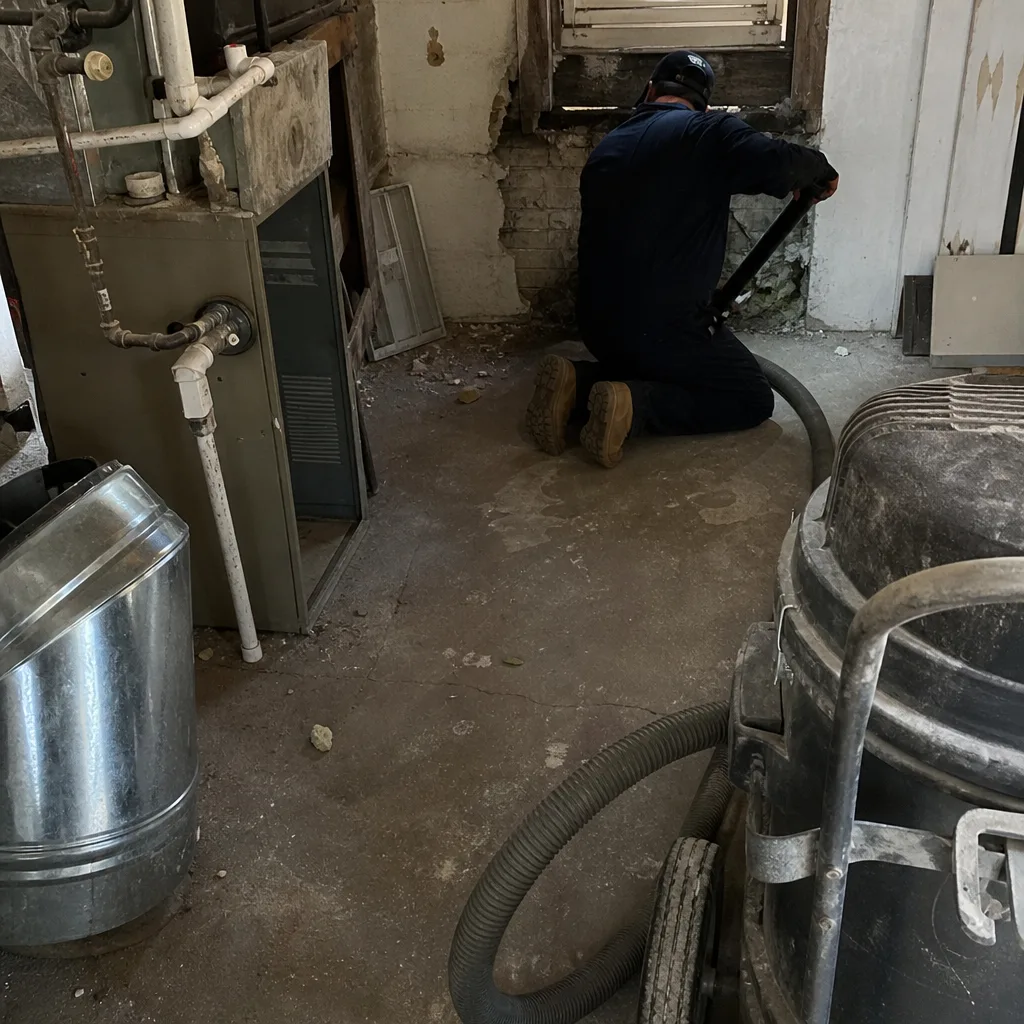 Before
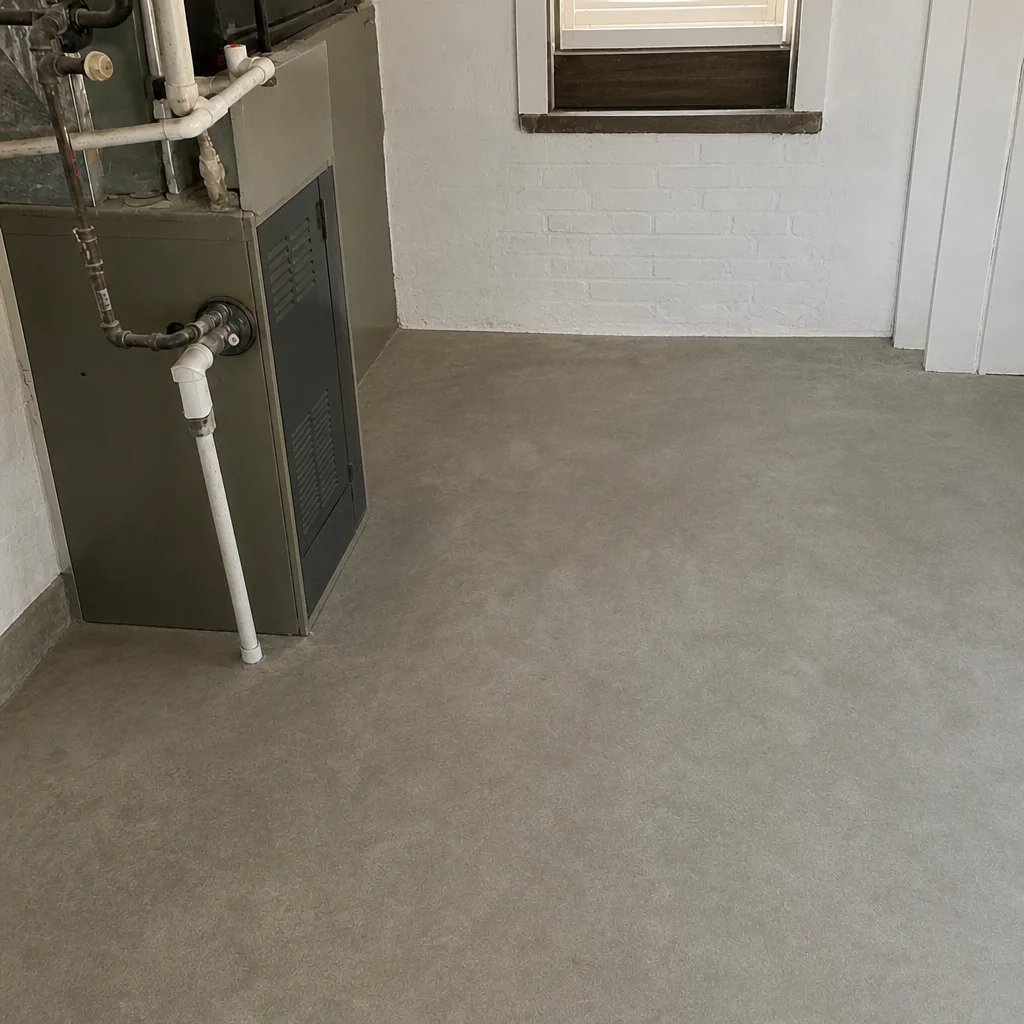 After