
Last updated November 25, 2026
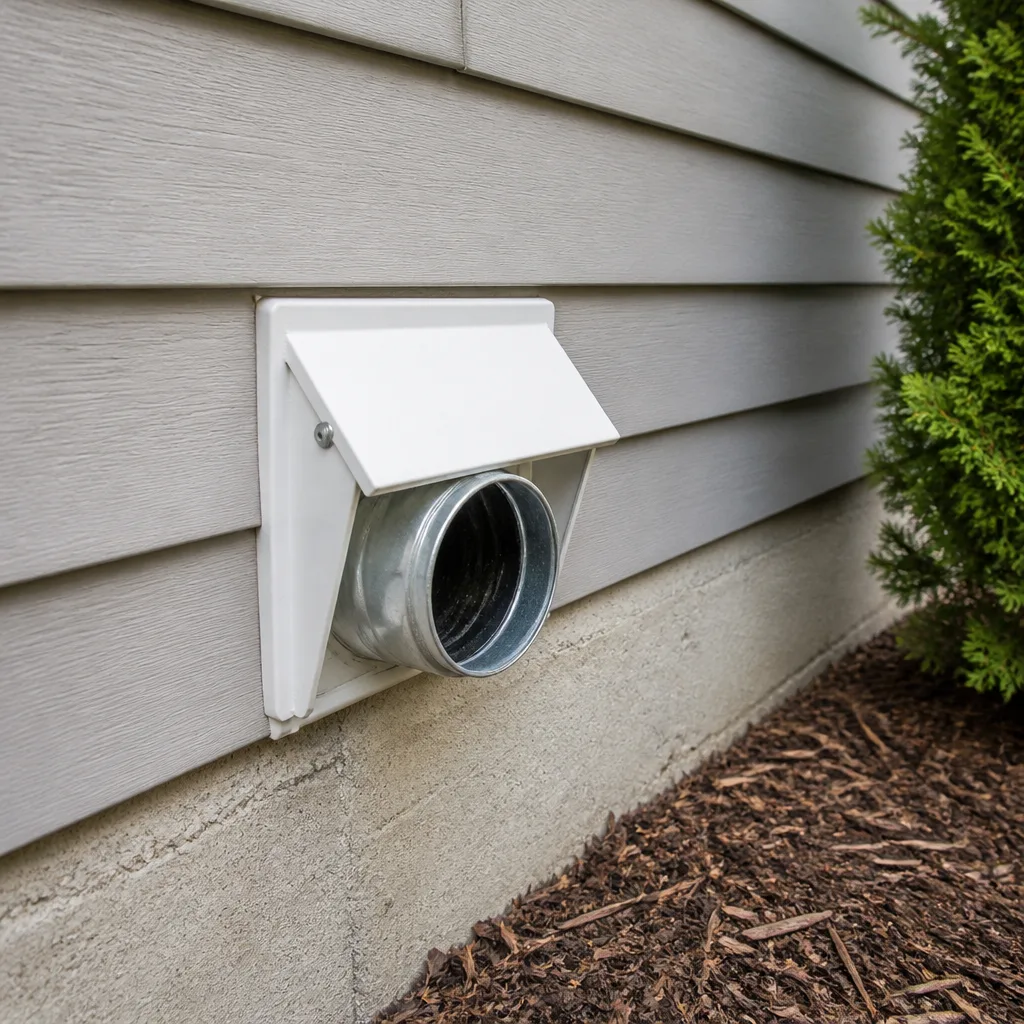 Dryer vent cleaning
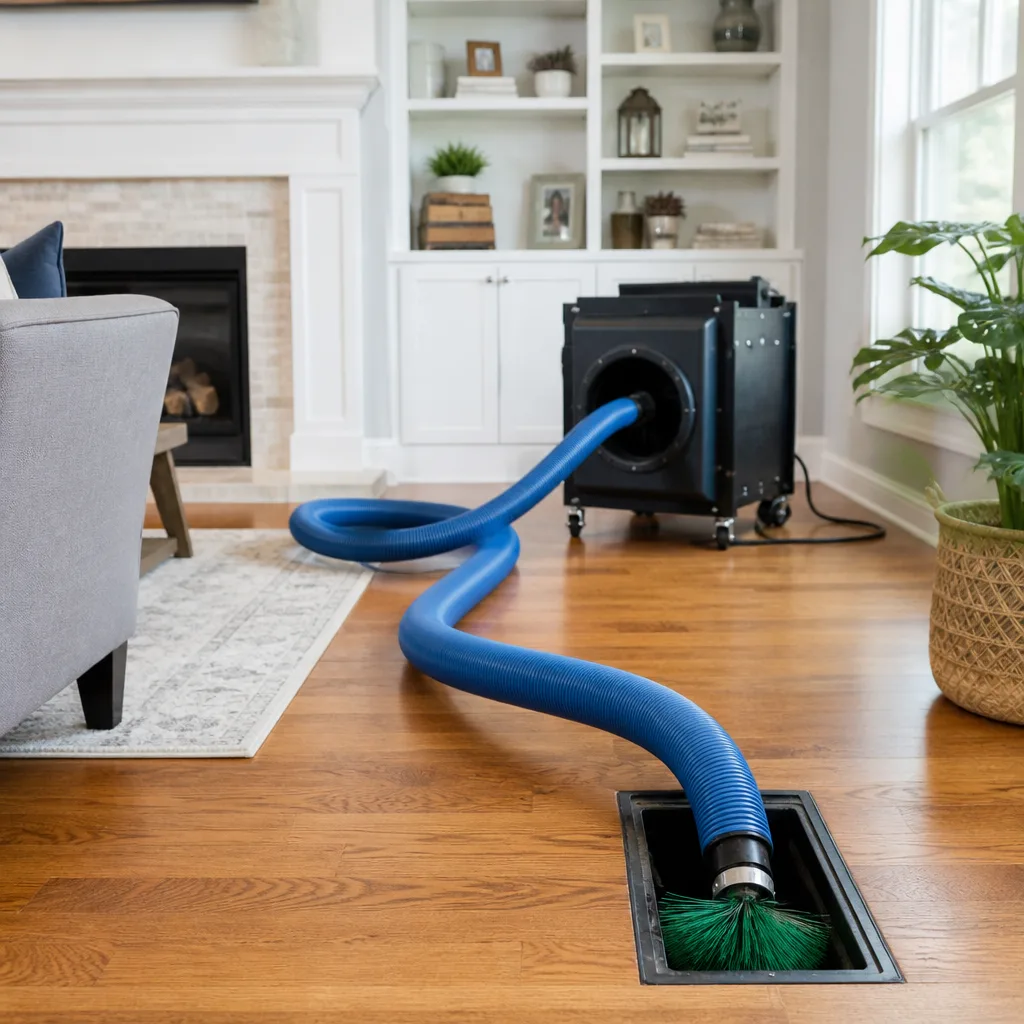 Whole-home duct cleaning
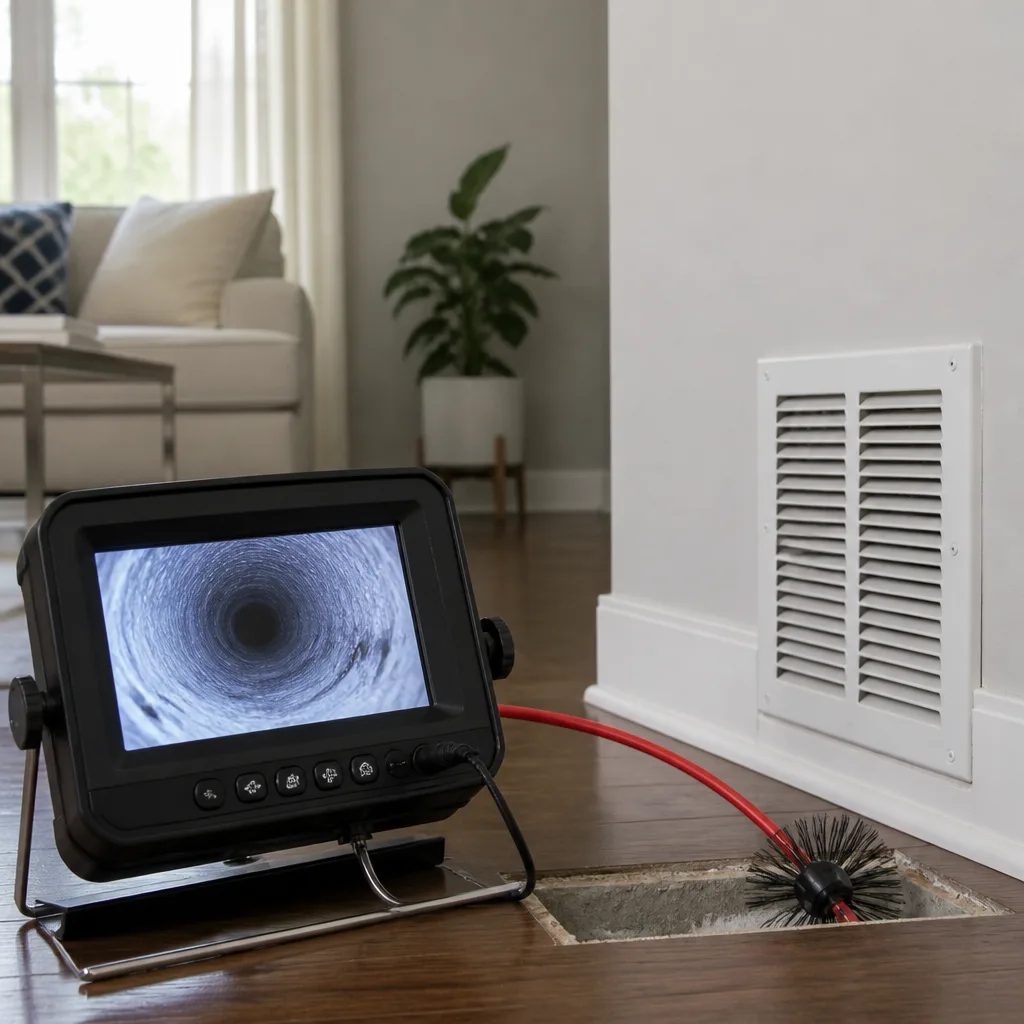 Camera inspection
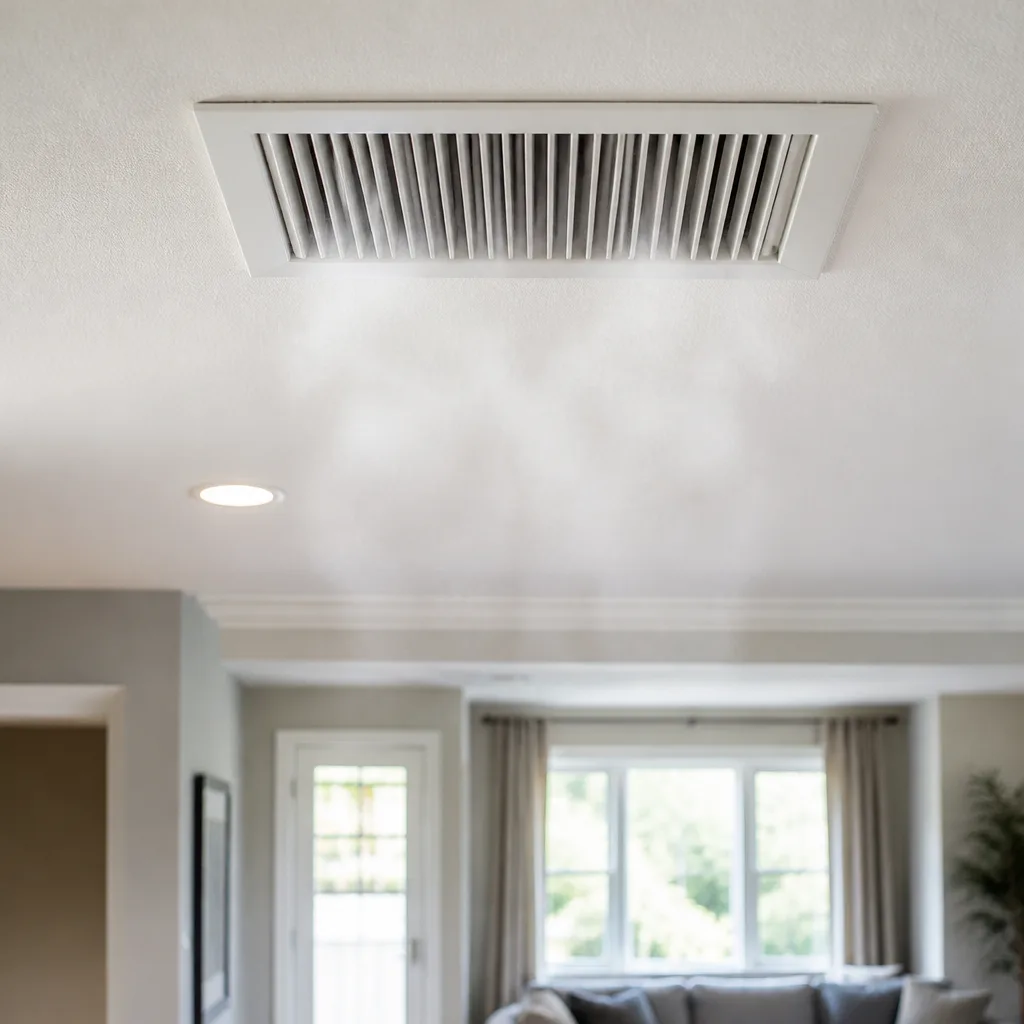 Sanitizing & deodorizing
Whole-system duct and dryer vent check with before-and-after photos - you see exactly what came out of your vents
That "$99 whole-house special" is a bait ad - the real number appears once they are in your hallway, or the "clean" is a shop-vac at the register. We photograph the inside of your ducts before and after instead.
The Complete Dryer Vent Cleaning Guide for South Buffalo Homeowners
Most dryer vent guides hand you one set of steps and call it done. But a straight 8-foot run out the side of a newer-build laundry room and a 35-foot run that snakes through two walls of a 1940s double in South Buffalo are not the same problem, and they don’t get cleaned the same way. The short run is nearly self-cleaning. The long, twisting one traps lint, holds winter moisture, and backs hot air into the machine. This guide maps the actual cleaning process to what happens inside South Buffalo homes: how to measure your real vent run before anyone touches it, why our cold winters change how often you need this done, and how to verify the job worked when it’s finished.
Quick Answer
Dryer vent cleaning removes the lint, moisture, and debris that build up inside the duct between your dryer and the outside. In South Buffalo, the long interior duct runs common in older doubles and the damp, cold winters mean most homes need it done roughly once a year, and sooner if the run is long or the dryer feels hot. The job is only done correctly when the full run is agitated and vacuumed with professional equipment and the exterior airflow is measured afterward to confirm it’s clear.
Styles & brands we work with
- Whole-home duct cleaning
- Dryer vent cleaning
- Camera inspection
- Sanitizing & deodorizing
Table of Contents
- Why Your Vent Run Is Not Like Your Neighbor’s
- How to Map Your Actual Vent Run Before Cleaning Begins
- Why Buffalo Winters Speed Up Lint Buildup
- Brush-Only Cleaning vs. Rotobrush and Nikro Equipment
- Does Your Vent Terminate Correctly?
- Post-Cleaning Airflow Verification: The CFM Test
- How Often Should You Clean It?
- The Step-by-Step Cleaning Process
Why Your Vent Run Is Not Like Your Neighbor’s
Before any cleaning happens, a good technician maps the vent run. That means measuring how far the duct travels, counting the elbows, checking what material it’s made of, and confirming where it exits the house. Skip this step and you’re cleaning blind.
In South Buffalo, this matters more than in most places because the housing stock varies so much block to block. A double on one street may have a short run straight through an exterior wall. A few doors down, a home built decades earlier might route the duct up through a wall cavity, across the ceiling joists, and out through the roof or a gable end. Same neighborhood, completely different job.
Here’s what we’re looking at when we map a run:
- Total length from the dryer outlet to the exterior cap, measured along the duct, not in a straight line.
- Number of 90-degree elbows, since each one adds friction equivalent to several feet of straight pipe.
- Duct material: rigid metal, flexible foil, or the vinyl kind that should never be used.
- Exterior termination point: wall, roof, or (the problem case) a wall cavity or attic space where it shouldn’t end.
- Transitions where the duct connects to the dryer and to the exterior hood, since these are common leak and clog points.
Flexible foil duct crushes easily and creates pockets where lint collects. Rigid metal keeps a smooth interior but develops seams that catch debris over time. Knowing which one you have tells us whether a rotary brush will work cleanly or whether we need to be gentler and vacuum-driven. This is the kind of detail that separates a real inspection from a quick pass with a shop vacuum.
How to Map Your Actual Vent Run Before Cleaning Begins
You can do a rough version of this yourself before you call anyone, and it’s worth doing. Knowing your run length tells you how often you’ll need service and helps a technician quote the job accurately.
- Find the exterior termination. Walk the outside of the house and locate the vent hood, usually a louvered flap about four inches across. If you can’t find one, that’s already a red flag worth investigating.
- Trace the run inside. From the laundry room, follow the duct as far as you can see, then note where it disappears into a wall, floor, or ceiling.
- Estimate distance and turns. Count the elbows you can see and estimate the total path length from dryer to exterior. Anything over about 25 feet with several turns is a long run.
- Check the material. Shine a flashlight into the dryer connection and see whether the duct is rigid metal, flexible foil, or vinyl. Vinyl is a fire hazard and should be replaced.
- Note the transition points. Where does the duct attach to the dryer, and where does it meet the wall? Those are where lint accumulates first.
Write this down. When a technician arrives, you can compare notes, and you’ll know immediately if they’ve actually inspected the run or just started vacuuming. In our experience, homes in South Buffalo with long interior runs benefit from annual service rather than every two or three years, because the length is the biggest driver of lint accumulation. Short-run homes can stretch the interval. This is where a real assessment beats a generic schedule.
Why Buffalo Winters Speed Up Lint Buildup
Lint doesn’t just accumulate because of airflow. It accumulates faster in cold, damp conditions, and South Buffalo has plenty of both. Here’s the mechanism: warm, moist air leaves the dryer and travels through a duct that runs through cold spaces. The moisture condenses on the duct walls, and damp lint sticks far more aggressively than dry lint. Over a winter, that sticky layer builds up faster than it would in a warm climate.
Compounding the problem, a partially clogged exterior flap or a run that got damp and then froze can restrict airflow even after the weather warms. The result is a duct that clogs sooner each year and a dryer that works harder to push air out. That extra heat stress is one reason dryer vent fires are more common in cold-weather regions.
What this means for South Buffalo homeowners:
- If your vent runs through an unheated attic or crawlspace, the condensation issue is stronger and annual cleaning is the safer interval.
- Homes with exterior walls facing the prevailing winter wind can see moisture drawn back into the duct if the flap doesn’t seal well. A backdrafting vent is a real concern here, not a hypothetical.
- Checking the exterior flap in early spring, after the freeze-thaw season, catches damage before it turns into a summer airflow problem.
Our dryer vent cleaning service accounts for this by inspecting the full run and verifying that air is actually moving out of the house at the end. A clean duct that still backdrafts because of a bad flap or a frozen louver is not actually clean.
Brush-Only Cleaning vs. Rotobrush and Nikro Equipment
There’s a meaningful difference between brushing and vacuuming. A brush alone loosens lint but doesn’t remove it; without simultaneous suction, that loosened lint just settles back into the duct. That’s why contractor-grade systems like the Rotobrush and Nikro units we use agitate and vacuum at the same time. The brush breaks the lint off the wall, and the vacuum pulls it out in the same pass.
Here’s when each approach fits:
- Short, straight runs (under about 15 feet, one or two elbows): a brush with strong attached vacuum can handle this cleanly.
- Long runs with multiple elbows: rotary agitation with simultaneous vacuum (like the Rotobrush system) is the practical choice, since a plain brush can’t reach around corners effectively.
- Fragile flexible foil duct: gentler vacuum-led cleaning avoids tearing the duct, which a stiff brush can do.
- Compacted, hardened lint: rotary agitation is the only reliable way to break up lint that has dried into a crust.
Rotobrush and Nikro are the same class of equipment used in commercial and remediation work, not consumer-grade vacuums. That matters because a home vacuum simply doesn’t have the airflow to pull a long run clean, and it can’t agitate a wall of compacted lint. When the run is long or the buildup is heavy, the tool is the difference between a clean duct and one that looks clean at the opening.
If the ductwork itself shows damage during cleaning, a cleaning-only company can’t fix it. We offer duct repair & sealing for exactly that reason: compromised ductwork gets repaired rather than cleaned around. That’s part of a full-system approach to indoor air.
Does Your Vent Terminate Correctly?
A dryer vent must terminate outdoors, through an exterior wall or roof, with a proper hood and damper. In older South Buffalo housing, this rule is broken more often than you’d expect. Ducts get routed into wall cavities, into attics, or into a crawlspace because a previous renovation took the shortest path. Sending warm, moist, lint-laden air into a wall cavity is both a fire risk and a way to feed mold growth.
Here’s how to check:
- Confirm there’s an exterior termination point. From outside, you should see a louvered hood with a flap that opens when the dryer runs.
- Look for lint trails. A streak of lint on siding or a stain on the roof sheathing near the termination means the duct is venting close by but not cleanly.
- Check that the flap moves. With the dryer running, the flap should lift. If it stays shut or moves weakly, the run is restricted or the flap is jammed.
- Trace any duct that disappears into a wall or attic. If you can’t follow it to an exterior termination, assume it’s terminating incorrectly until proven otherwise.
- Look for signs of moisture where it ends. Staining, condensation, or a damp smell near a wall or in the attic signals a duct venting into an enclosed space.
Correcting a bad termination often means rerouting the duct to an exterior wall and installing a proper hood. That’s a repair and sealing job, and it belongs with the cleaning rather than months later. Handling the whole system under one roof means the duct gets diagnosed, cleaned, repaired, and sealed in one visit instead of multiple vendors and multiple trips.
Post-Cleaning Airflow Verification: The CFM Test
How do you know the vent is actually clean? You measure the airflow. A technician uses an airflow meter at the exterior termination and reads the cubic feet per minute (CFM) the dryer is moving. The number is the proof, and it separates a real cleaning from a hopeful one.
There’s no single universal CFM target because dryer make, model, and vent length all affect the reading. But the useful benchmarks are straightforward:
- A visibly blocked vent will read very low, often in the low single digits.
- A healthy vent moves a steady flow that’s clearly stronger than before cleaning.
- The most important comparison is before vs. after. If the meter reads significantly higher after cleaning, the work was real.
- A vent that reads low both before and after means a restriction remains: a hidden clog, a crushed duct, or a still-closed termination flap.
Ask for the before-and-after readings. Any technician who can’t produce them hasn’t verified the job. This is also the moment to inspect the exterior hood and make sure the flap is moving freely, since the meter will tell you quickly if it isn’t. We test airflow after every cleaning because “looks clean” is not the same as “clears through.” Regular HVAC cleaning plays a related role for the whole system, keeping airflow consistent everywhere air moves in the house.
How Often Should You Clean It?
Once a year is the right baseline for most South Buffalo homes, and sooner in a few specific cases. The general rule is to clean it once a year, or more often if the run is long, the household is large, or you notice any of the warning signs below.
Service more often if:
- The vent run is long (over 25 feet) or has several elbows.
- The duct runs through cold space like an unheated attic or a crawlspace, where condensation is a factor.
- You dry several loads a week, or have a large household that produces a lot of laundry.
- Your dryer feels hotter than usual, takes two cycles to dry a load, or smells musty.
- The exterior flap is hard to open or stays shut.
Skip the annual check if:
- You have a short, straight, rigid metal run and dry only a couple of loads a week.
- The last cleaning was recent and the airflow tested strong afterward.
- You have no pets, no heavy fabric like blankets and towels, and a small household.
The point of an inspection is to decide honestly whether the job is needed now or can wait. If a quick check shows the run is clear and the airflow is solid, saying so is the honest answer. If it needs cleaning, the cleaning is worth doing before the buildup tightens.
The Step-by-Step Cleaning Process
Here’s what a proper cleaning looks like from start to finish. Knowing the sequence lets you follow along and confirm each step was done.
- Map the run. Measure length, count elbows, note material, and locate the exterior termination.
- Inspect and document. Look at the dryer connection, the duct interior where visible, and the exterior hood. Photograph the condition before anything moves.
- Disconnect the dryer. Pull the machine out and detach the duct so the run can be accessed from both ends.
- Agitate and vacuum. Rotary agitation with simultaneous extraction (Rotobrush or Nikro equipment) breaks up lint and removes it together, especially on long or heavily loaded runs.
- Clean the exterior hood. Open the flap, clear the louvers, and confirm it moves freely.
- Sanitize where needed. If the duct shows moisture or odor, an air quality treatment with products from Honeywell or Aprilaire addresses biological growth that a vacuum alone doesn’t reach.
- Verify airflow. Reconnect the dryer and measure CFM at the exterior termination. Compare to the before reading.
- Photo the result. Before-and-after photos of the duct interior give you a real record of what was done.
This is one job, start to finish, by one company. The cleaning side and the air quality side fit together rather than running as separate visits. That single-vendor scope is part of why full-system work holds up better than a quick blow-through: the problem gets diagnosed, fixed, and verified in one pass.
Common Mistakes to Avoid
- Cleaning from one end only. If a technician only vacuums from the dryer side and never checks the exterior termination, lint pushed down the run piles up at the far end and the duct is still blocked.
- Using a leaf blower or shop vacuum as the only tool. These blow lint around without removing it, and shop vacuums don’t have the airflow to pull a long, interior run clean. In South Buffalo doubles with 30-foot runs, that’s a wasted visit.
- Ignoring the exterior flap. A stuck or damaged louver at the termination is a common local problem after freeze-thaw cycles, and a vent that can’t expel air is still a vent that can’t expel air, even after cleaning.
- Assuming vinyl flex duct is fine. Vinyl is a fire hazard and should be replaced with rigid metal or properly rated flexible duct. If a cleaning visit finds vinyl, the honest recommendation is replacement, not cleaning.
- Skipping the CFM verification. Without before-and-after airflow readings, you have no proof the job worked. A clean-looking opening doesn’t tell you the run is clear.
- Waiting for the dryer to fail first. A dryer that runs hot or takes two cycles is a warning, not a scheduling problem. Cleaning on the annual schedule avoids that failure mode.
- Cleaning around a damaged duct instead of repairing it. Crushed or disconnected ductwork that gets cleaned and left alone will fail again. If the duct is compromised, repair and sealing need to be part of the visit.
See the difference
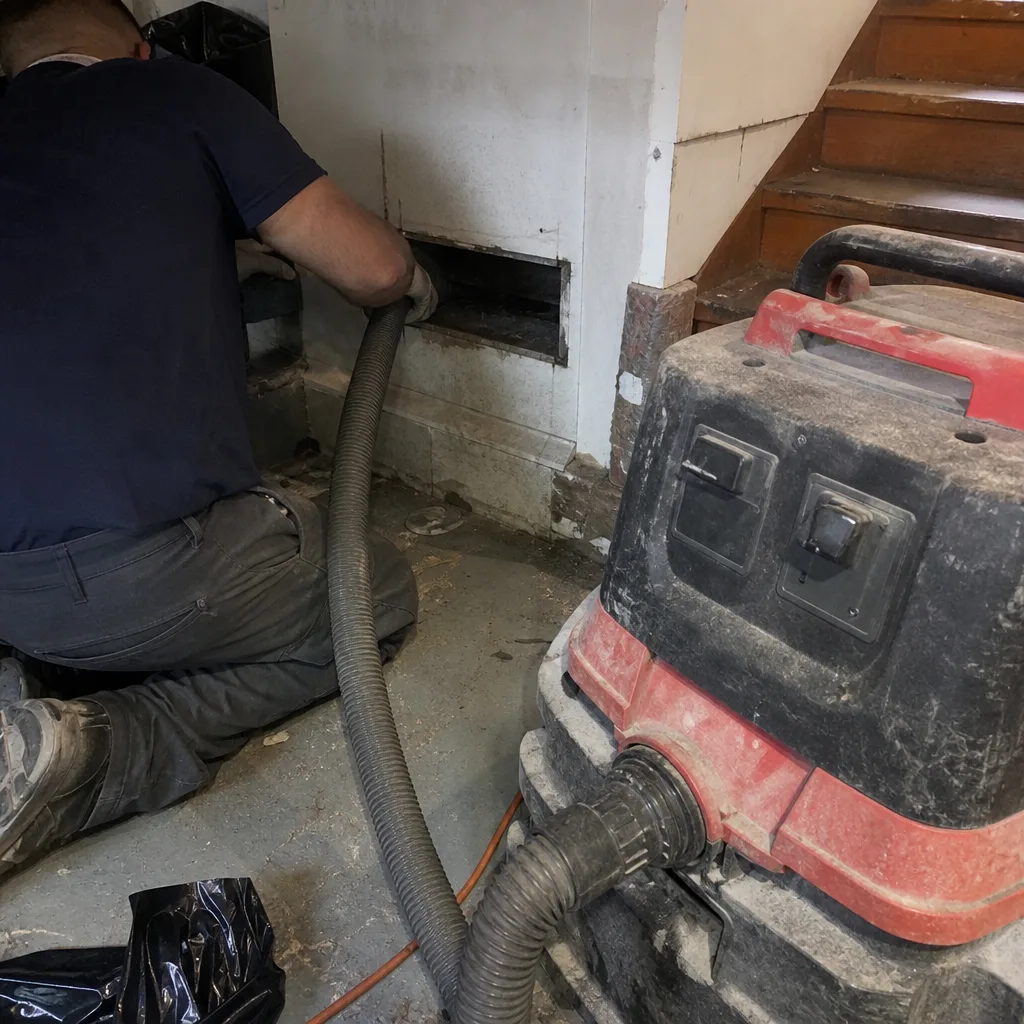 Before
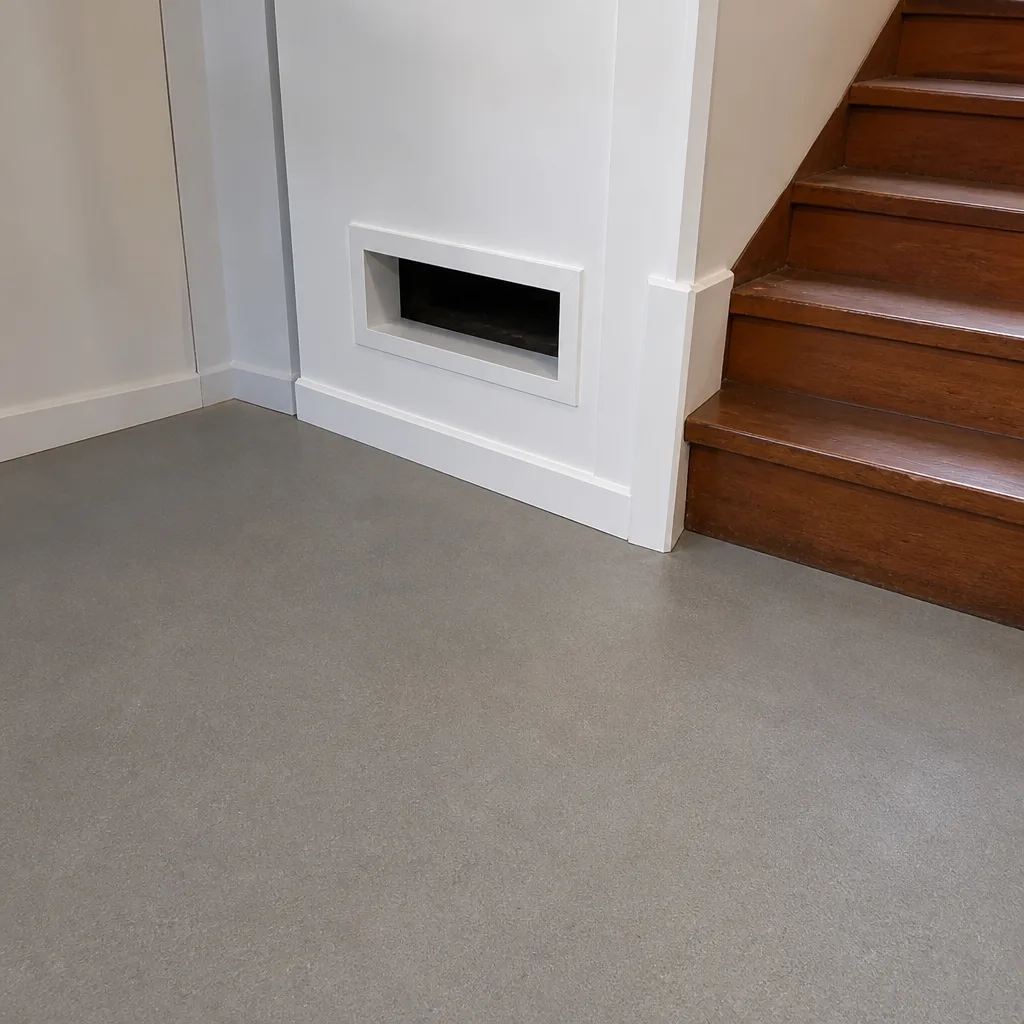 After
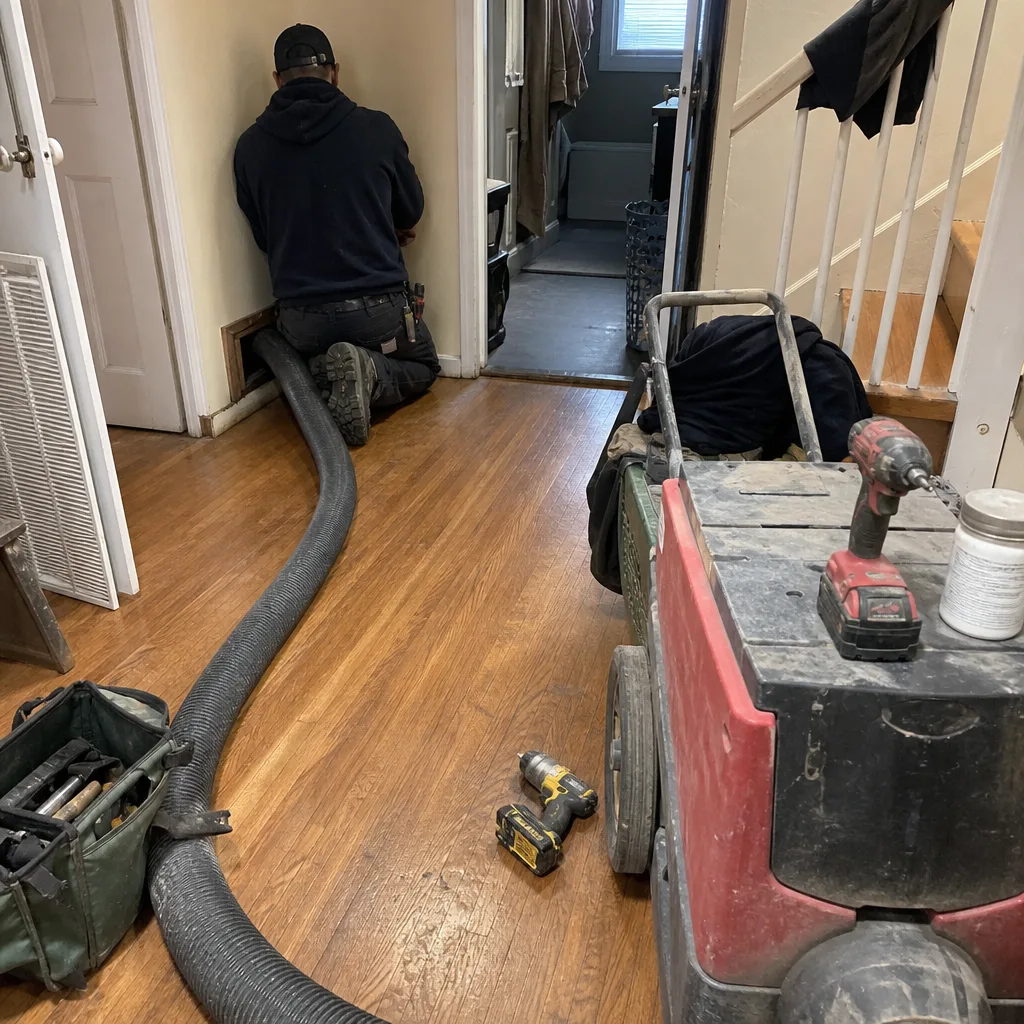 Before
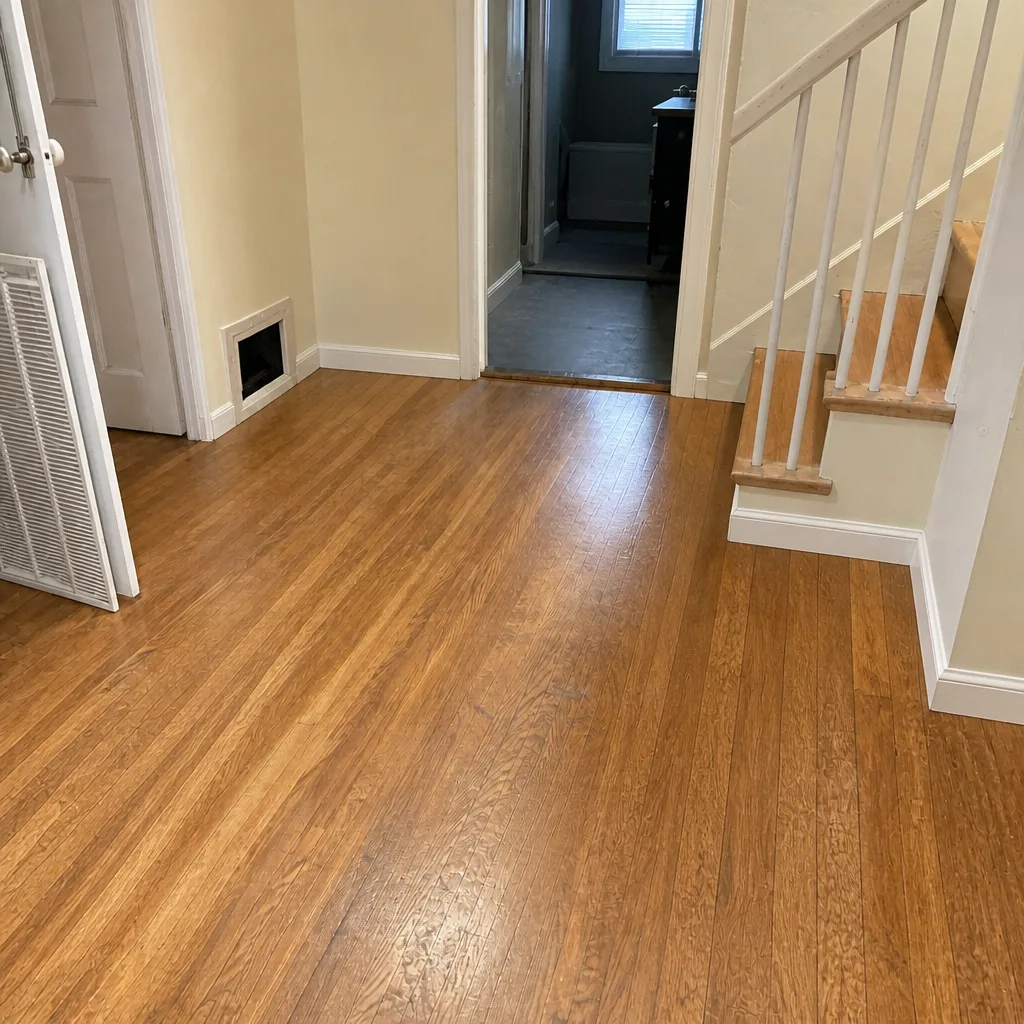 After
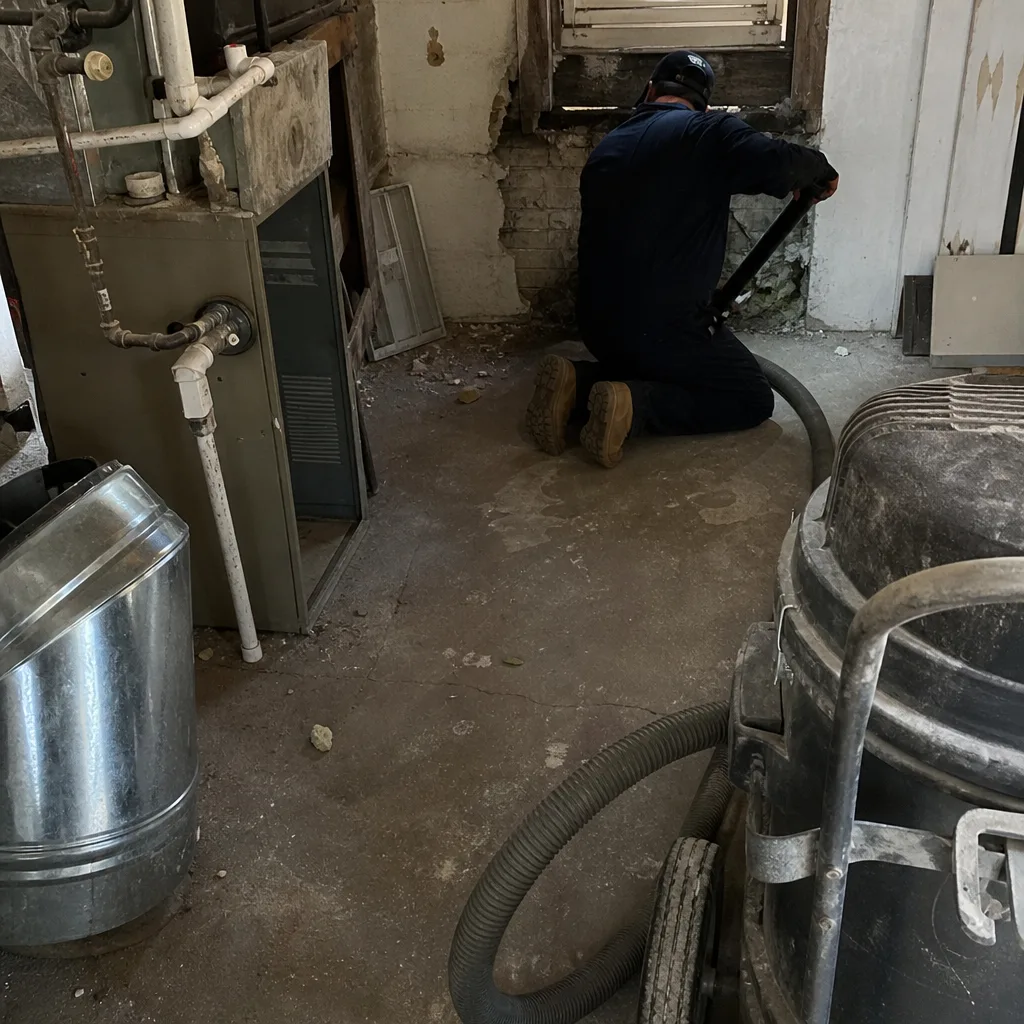 Before
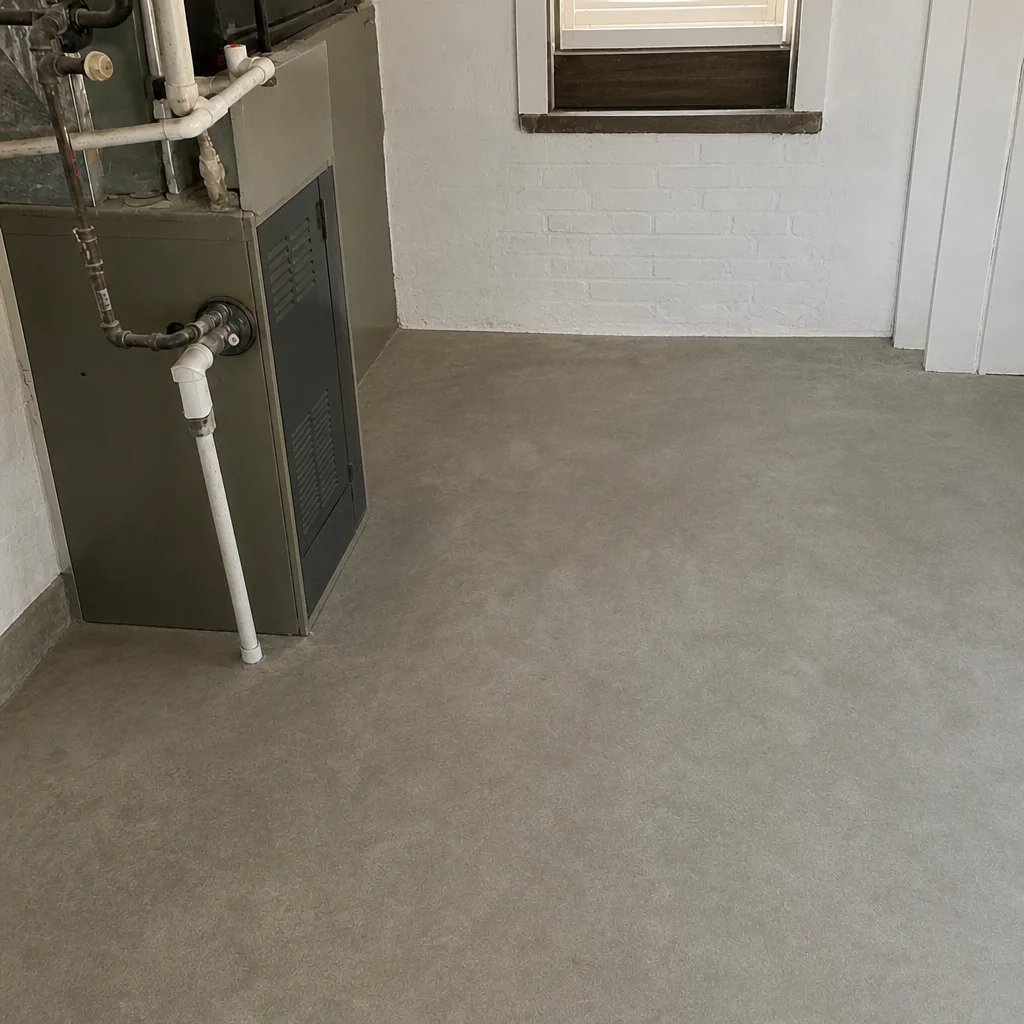 After
When to Call a Professional
Some jobs are genuinely do-it-yourself territory: short, straight, rigid metal runs can be checked with the exterior flap and tested by hand. But several situations warrant a professional, and in South Buffalo those situations are common.
Call when the run is long or convoluted, when you can’t find or can’t reach the exterior termination, when the duct is routed through a wall cavity or attic, when your dryer feels hot or takes more than one cycle, when the exterior flap doesn’t open, or when you’ve never had the vent inspected even once. Our technicians have up to 14 years of experience mapping these runs and using the right equipment for each configuration.
Air Duct Cleaning South Buffalo offers free estimates in South Buffalo. Call (844) 935-2565. We answer 24/7. Fast dispatch from 7am to 7pm, Sunday through Friday.
Frequently Asked Questions
The cost depends on the length and configuration of your run, which is why we estimate per job rather than quoting a per-vent or flat teaser price. A long interior run with several elbows takes more equipment and time than a straight 8-foot exterior run, and the price reflects that. The estimate sets the final price, and the estimate is free. Call (844) 935-2565 and we’ll give you a specific number for your home.
Cheap quotes usually mean a one-end shop-vac pass, no exterior check, and no airflow verification, which leaves lint in place and gives you no proof the job was done. The lower number reflects less work, not a better deal. Ask any company whether they test airflow at the exterior and take before-and-after photos, and the answer tells you most of what you need.
You know because the airflow at the exterior termination reads meaningfully higher than the reading taken before cleaning, and because you can see before-and-after photos of the duct interior. A legitimate cleaning leaves a measurable result at the vent hood, not just a clean opening at the dryer connection. We test and document both, so you’re looking at evidence rather than a promise.
Once a year for most homes, and more often if the run is long, the duct passes through cold attic or crawlspace space, or you dry several loads a week. Our winters condense moisture inside the duct, which makes lint stick faster than in warmer climates. If your dryer is running hot or drying slowly, don’t wait for the annual mark.
Yes, and it’s a common issue in older South Buffalo homes where a prior renovation took the shortest route. A dryer vent must terminate outdoors with a proper hood so moisture and lint exit the house. If we find that layout, we’ll recommend rerouting the duct to an exterior wall and sealing it, and we can handle that repair in the same visit as the cleaning.
Yes, that’s exactly the case where professional equipment matters most. Rotary agitation with simultaneous vacuum, running through far more length than a shop vacuum can reach, gets a 30-plus-foot run clear. The exterior termination is then checked and the airflow measured at the far end. A straight brush or a consumer vacuum can’t do either of those reliably.
The Bottom Line
Dryer vent cleaning in South Buffalo comes down to the specific run inside your home, not a generic checklist. Map your run length and material first, because long interior ducts in older doubles need annual service while short straight runs can stretch further. Understand that our cold winters accelerate lint buildup by condensing moisture inside the duct. Verify that your vent terminates outdoors with a proper hood, not into a wall cavity. And insist on airflow measurement after cleaning, because the before-and-after reading is how you know the job actually worked. Brush-only cleaning, one-end vacuuming, and skipping the CFM check are the mistakes that matter. When the run is long or the duct is damaged, bring in professional equipment and full-system capability so the job gets diagnosed, cleaned, repaired, and verified in one pass. Call Air Duct Cleaning South Buffalo at (844) 935-2565 for a free estimate. We answer 24/7. Fast dispatch from 7am to 7pm, Sunday through Friday.
Written by the team at Air Duct Cleaning South Buffalo.