
Last updated November 25, 2026
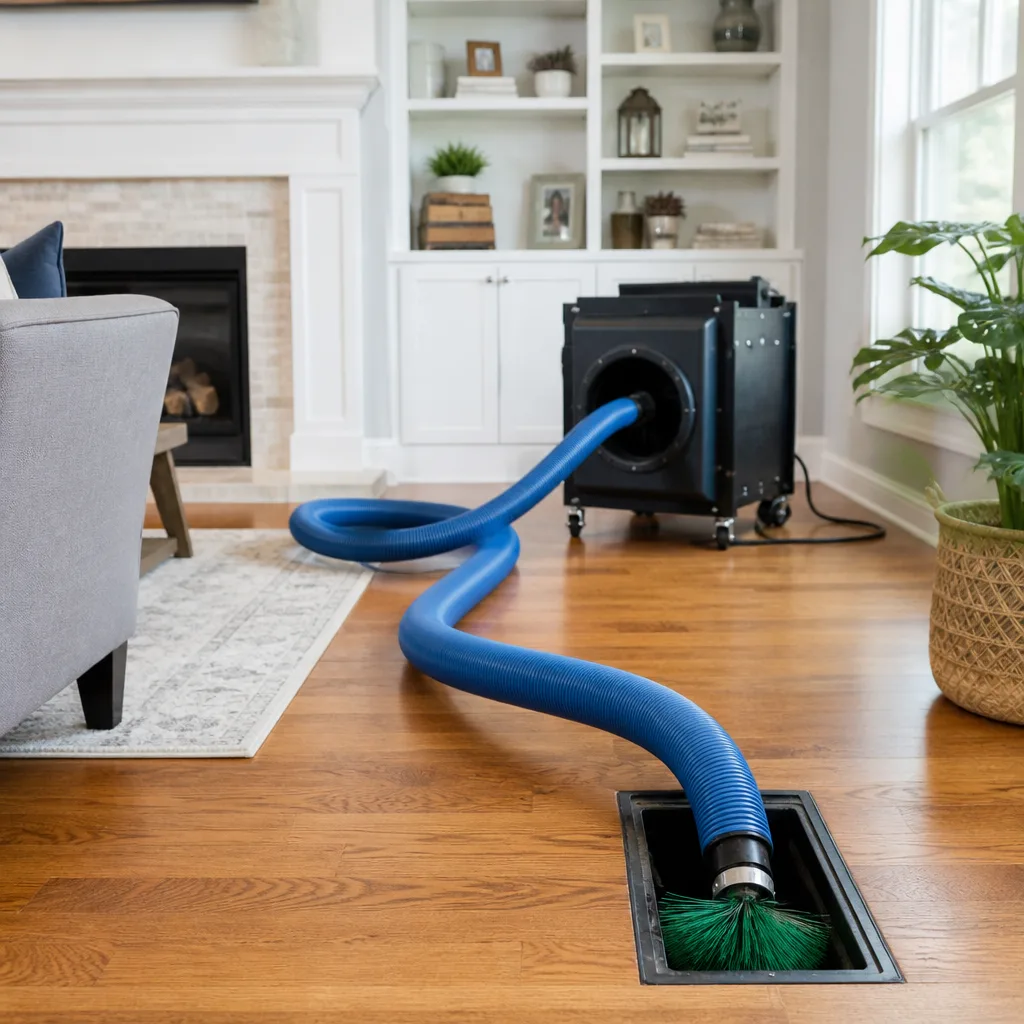 Whole-home duct cleaning
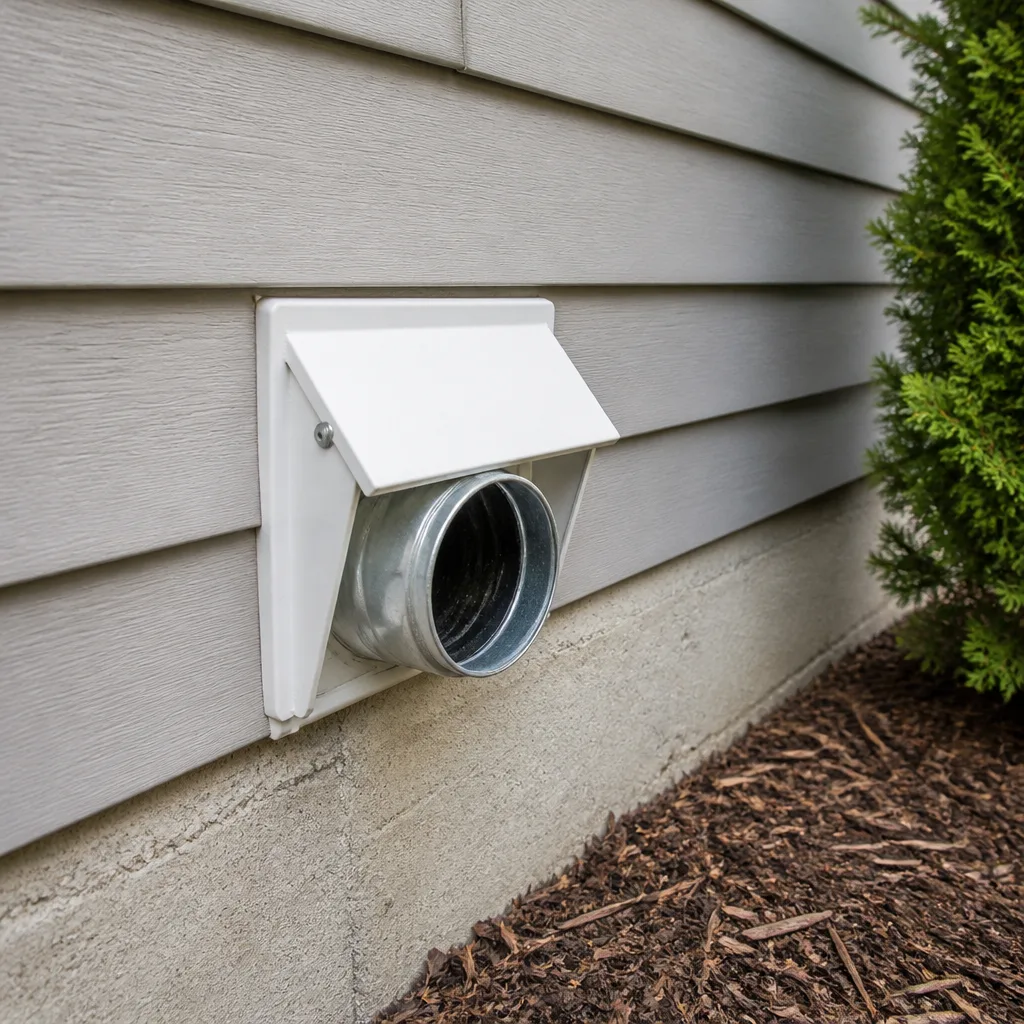 Dryer vent cleaning
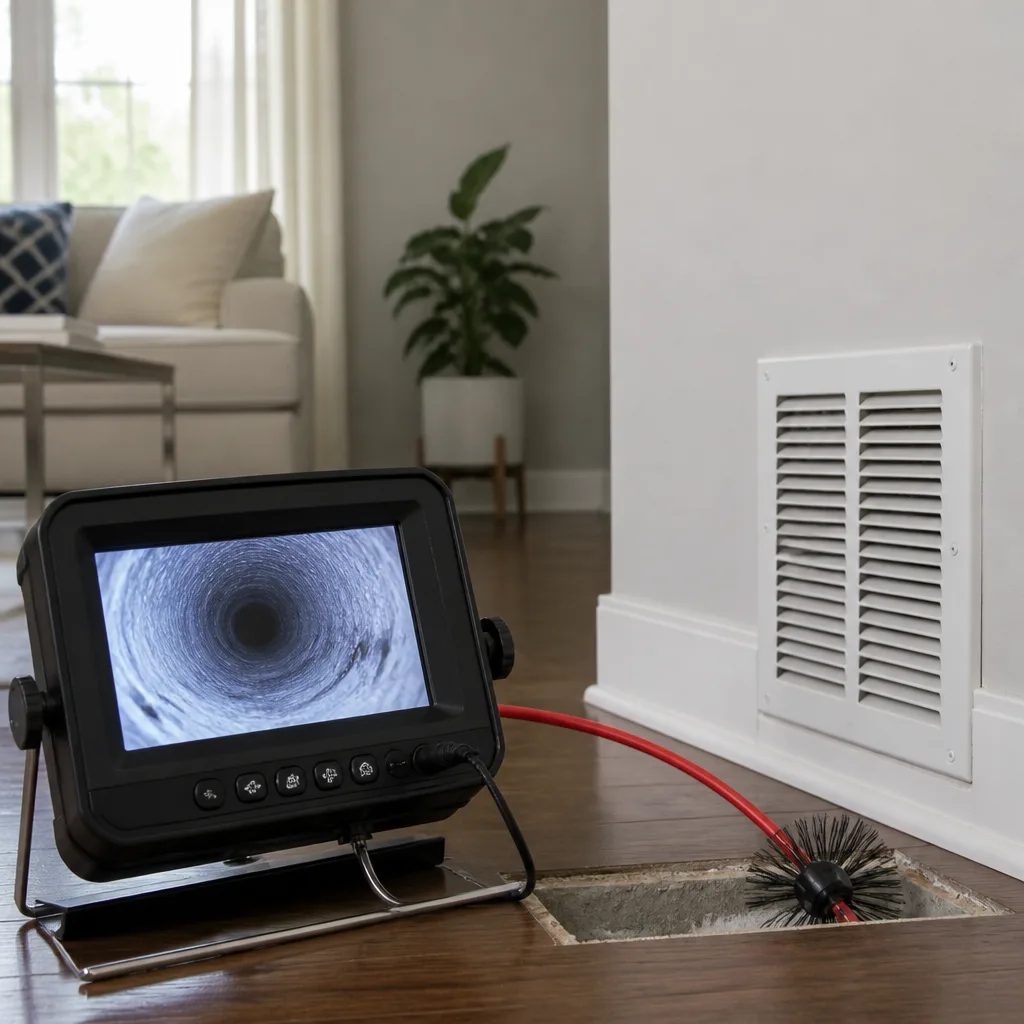 Camera inspection
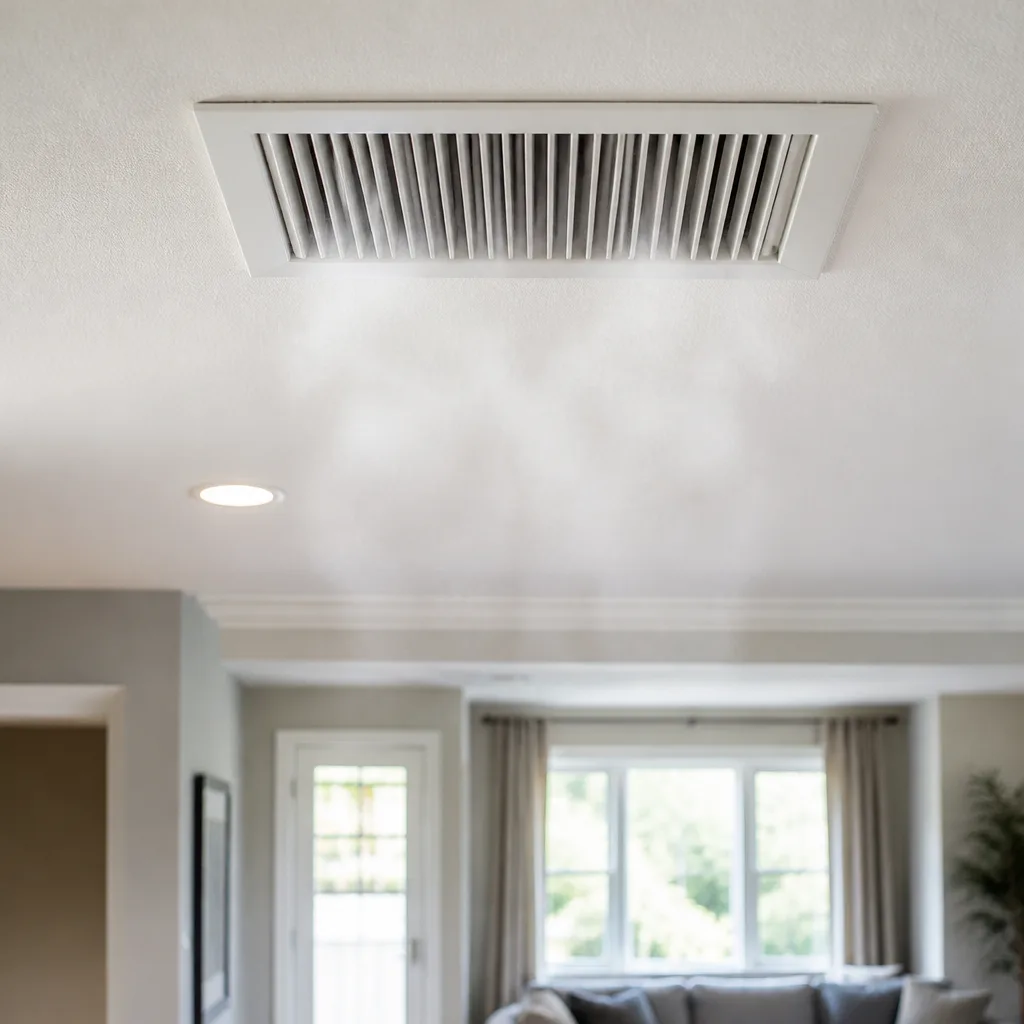 Sanitizing & deodorizing
Whole-system duct and dryer vent check with before-and-after photos - you see exactly what came out of your vents
That "$99 whole-house special" is a bait ad - the real number appears once they are in your hallway, or the "clean" is a shop-vac at the register. We photograph the inside of your ducts before and after instead.
Air Duct Cleaning Warning Signs: A South Buffalo Homeowner’s Reference Guide
A musty smell when the furnace kicks on is not a furnace problem. It’s almost always a duct problem, and the distinction matters because an HVAC technician and a duct cleaner are not the same trade and won’t tell you the same thing. Homeowners across South Buffalo misread the warning signs every winter: they hear a rattle and blame the furnace, notice a dusty register and change the filter, smell something sour and open a window. Meanwhile the actual source sits in the ductwork. This reference guide explains what each symptom points to, how to read dust patterns at your registers, and what to check yourself before you call. We’re writing it for South Buffalo because the housing stock and the long heating season make these problems show up in specific ways here.
Quick Answer
Air duct cleaning warning signs in South Buffalo usually start with a musty or burning-dust odor at the registers, visible dark streaks around vent covers, uneven room temperatures, or a visible dust buildup that returns within days of cleaning. These point to contamination or disconnected ductwork rather than a furnace fault. Any burning or chemical smell should be checked by a qualified professional immediately, and you should call a duct specialist to inspect the system before the problem worsens.
Styles & brands we work with
- Whole-home duct cleaning
- Dryer vent cleaning
- Camera inspection
- Sanitizing & deodorizing
Table of Contents
- Odor Types and What They Actually Mean
- How to Read Dust Patterns at Your Registers
- Airflow Symptoms Room by Room
- Symptom Patterns That Point to Duct Contamination
- What You Can Inspect Yourself Before Calling
- Why South Buffalo Winters Make It Worse
- Older South Buffalo Homes and Duct Failure Points
- Common Mistakes to Avoid
- When to Call a Professional
Odor Types and What They Actually Mean
Odor is the most misdiagnosed duct symptom because each smell tells you something different about where the problem lives. The furnace is often blamed for all three. In our experience, the smell usually survives a furnace service call because the furnace was never the source. Here’s how to read the distinction.
Musty or earthy smell
A musty smell at the register when the blower starts is nearly always biological growth inside the duct system. It means moisture is collecting somewhere it shouldn’t: on duct liner, at a panned joist cavity, or near the cooling coil when the AC runs in the summer. In South Buffalo, this smell often shows up strongest in spring as the system transitions from heating to cooling. If the smell is worse in the basement or the rooms closest to the air handler, the growth is likely near the equipment. If it only appears in one or two rooms, the contamination is likely in that branch of the ductwork.
Burning dust smell
When the heat comes on for the first time each season, a light burning dust smell is normal for a short period. When it persists or returns throughout the heating season, the issue is accumulated debris that contacts the heat exchanger and burns off. This points to debris drawn into the system and passing over the furnace itself, not just sitting in the ducts. That debris is a fire-risk consideration and also a sign that filtration is not catching what it should.
Chemical or plastic smell
Off-gassing from degrading duct liner is a smell many homeowners describe as “new plastic” or “hot glue.” It comes from interior duct lining breaking down with age and heat. This is not a cleaning job on its own. It usually means the liner itself is failing, and the fix is duct repair & sealing rather than a vacuum pass.
If you smell anything like gas or exhaust fumes, stop and call your gas utility first. That is not a duct issue.
How to Read Dust Patterns at Your Registers
Dust tells you where the problem is by where it collects and how fast it returns. Reading a register correctly narrows the diagnosis in a few minutes. Get a flashlight and a damp paper towel and look carefully.
Dark streaks or halos around the register frame
Black or gray streaks that fan from the register louvers are the most reliable outward sign of dust escaping past the register boot. Air is pushing dust into the room instead of delivering it clean, meaning the ductwork or a filter bypass is contaminated.
Dust that returns within days of cleaning
If you wipe a register clean and the dust is back in three to five days, the source is upstream of that register. Cleaning the vent itself does nothing. The duct serving that room is loaded with debris and the system is delivering it steadily.
Dust concentrated around the return grille
Heavy dust at the return side is different from dust at the supply side. A heavily soiled return means debris is being pulled in before it ever gets filtered. That points to filter placement or bypass. If dust collects around a filter slot even when the filter is new, the filter is being bypassed at the edges. That gap lets unfiltered air straight into the system, and the ducts load up.
A test you can do yourself
- Choose a supply register in a room you use most.
- Wipe the face and frame with a damp paper towel and let it dry completely.
- Run the system normally for three days.
- Inspect the same register. A thin film is normal. Visible clumps or a returned halo means upstream contamination or a filter bypass.
Note the room. A single affected register means a single duct branch. Multiple affected registers in different rooms means the whole system is suspect.
Airflow Symptoms Room by Room
Uneven heating is usually read as a furnace sizing problem. In South Buffalo, it’s often a duct problem wearing a furnace costume. Where the imbalance appears and how it changes tells you which. The set of symptoms below maps to the likely cause.
- One room weak, others fine: a blockage, collapsed branch, or disconnected run serving that room. A disconnected duct is common where flex duct meets a register boot in attic and crawl where the connection has worked loose.
- Far rooms weak, near rooms strong: a distribution problem. Long runs losing pressure through leaks, or a duct that has come apart partway down the trunk.
- All rooms weak, fan seems fine: a main trunk restriction, collapsed duct, or a filter so restricted that airflow is choked at the source.
- Whistling or roaring at one register: a crushed or partially collapsed duct. Air forced through a smaller opening is louder, not louder because the furnace is louder.
- Temperature swings as the system cycles: leaking ductwork in unconditioned space. Air that runs through an attic or unheated crawl picks up that temperature before it reaches the room.
Which of these you have matters before anyone arrives. “The back bedroom is cold” and “the back bedroom is cold only when the furnace first turns on, and there’s a whistle from the vent” are two very different jobs. The second says collapsed or restricted duct. The first could be either. The more precisely you describe what you’re actually observing, the faster the visit is useful. hvac cleaning handles the equipment side, while duct inspection and repair handle the distribution side. These are related jobs, not the same job.
Symptom Patterns That Point to Duct Contamination
Some indoor air complaints line up with duct contamination and some point elsewhere. This is not medical advice. It’s a pattern guide so you can describe what’s happening in your home accurately. Anyone with genuine health concerns should talk to a doctor.
Patterns that more often point toward the ducts:
- Congestion, sneezing, or eye irritation that eases when you leave the house and returns after the system runs.
- A musty smell that correlates with the symptoms.
- Symptoms concentrated in one or two rooms of the home.
- Visible dust that returns quickly, plus the symptoms above.
Patterns that point somewhere else:
- Symptoms that are constant regardless of whether the HVAC is running.
- New onset after moving furniture in or changing cleaning products.
- Worsening only in spring or fall when windows are open.
- Pet dander or pollen exposure that explains the same symptoms.
Contamination isn’t the only thing circulating. Old duct liner can shed fibers, and standing moisture can feed mold. When the problem is duct-borne, cleaning and sanitizing with a professional system makes sense. That’s why we handle sanitizing with products from Honeywell and Aprilaire rather than mystery chemicals. The point is to know what’s going in.
What You Can Inspect Yourself Before Calling
You can rule a lot in and out before anyone comes out. This is a visual check, not a cleaning procedure. Don’t reach into ductwork, don’t remove a heat exchanger panel, and leave electrical components alone. A flashlight and a careful look will tell you a lot.
- Registers, all of them. Walk every room. Note which registers are streaked, dusty, or whistling. Make a list room by room.
- Return grilles and filter slot. Pull the filter and look at the frame and edges. A visible gap around the filter is a bypass. A filter that’s loaded on the intake side but clean on the output side is working; a filter with only one dirty corner is bypassing.
- Accessible plenum and trunk connections. Where you can see duct, look at taped joints. Peeling tape, separated crimp seams, or flex duct pulling away from a boot are all leak signs. Look for water stains, rust on the duct, or condensation on the exterior of ductwork, especially in the basement.
- Basement or crawl spaces. Look specifically at duct runs along the floor joists. Then look at the floor above for sagging where a panned joist cavity is being used as a return duct. Those cavities are a common South Buffalo weak point.
- Smell test. Note the smell at each register. If one room smells and others don’t, you’ve localized the problem to one branch.
Write down what you see. When the technician arrives you’ll be able to describe what happened rather than guess. That alone shortens the visit.
Why South Buffalo Winters Make It Worse
South Buffalo’s long heating season does duct problems no favors. When the furnace runs hard for months, contaminated air moves through the system far more hours than it would in a milder climate. Subtle leaks and slow dust buildups become visible. Cold snaps also make airflow imbalances obvious, since a weak duct to a bedroom matters more at 10 degrees than at 50. Where a branch leaking into cold attic or crawl space is involved, the temperature problem compounds: leaking warm air into a cold space, while pulling cold air back in and costing you more to heat. In a mild climate the same duct would look fine.
Basement moisture matters here too. Some South Buffalo basements run damp in spring, and a damp basement with a duct system passing through it is where biological growth begins. That musty smell in the living room may start in the basement. Closed-up houses over the winter also concentrate whatever’s circulating. Summer AC moisture adds a second wet season on the same coil and duct liner.
Older South Buffalo Homes and Duct Failure Points
Older South Buffalo homes carry specific duct conditions that newer construction doesn’t have. Knowing them helps you interpret what you see. It also tells you why some duct jobs here are as much repair as cleaning.
- Panned joist returns. Many older homes use closed joist bays as return ducts. That was standard practice at the time and works, but it leaves a lot of interior surface to collect dust. It also means the “return duct” isn’t a smooth metal duct.
- Original sheet metal with taped joints. Tape fails with age and heating cycles. Peeling tape is one of the easiest things for a homeowner to spot and one of the commonest duct leak findings.
- Retrofit flex runs. Flex duct added when a system was updated or a room added, often pulled tight around a corner or secured loosely at the boot. Short flex runs can sag and crush, cutting airflow to that room.
- Duct liner in the trunk. Acoustic and thermal lining inside older trunks holds dust differently from bare metal. Degraded liner is the source of a good share of the chemical and plastic smells homeowners report.
When ductwork is compromised at the joint or the liner, cleaning alone cleans around the problem. That’s why we handle cleaning and duct repair & sealing under one roof rather than handing you a list of vendors.
Common Mistakes to Avoid
- Blaming the furnace for a duct smell. A furnace service won’t fix air that smells musty because the growth is in the branches. Have the ducts looked at before you pay for a service call on the wrong system.
- Cleaning the register instead of the duct. Wiping a streaked register looks better and does nothing. The dust returns in days because the dirt is upstream.
- Using a consumer shop vacuum inside the ducts. A shop vac has the wrong filtration and the wrong airflow, and it can scatter debris back into the home. Professional-grade equipment from Rotobrush and Nikro is built for this and captures what it lifts.
- Assuming every cheap quote is a shortcut. Some are, and some are a smaller-sized job. Ask what equipment is used, what the visit covers, and whether repair and sealing are included. Then compare scope to scope.
- Skipping the dryer vent. The dryer vent is a separate duct run and a well-known fire risk. It’s also the one most duct-only companies ignore. Any thorough duct visit should mention it, and you can pair it with dryer vent cleaning in the same visit.
- Sealing up before diagnosing. If you’re planning to caulk and seal any duct access, find the problem first. Sealed inaccessible duct hides a disconnected joint for years.
- Assuming once cleaned is cleaned forever. Ducts don’t need endless cleaning, but they do need attention when the symptoms return. Watch the ducts the same way you watch the filter.
When to Call a Professional
Call a professional when any of the following applies:
- You smell musty or burning dust when the furnace is running, or anything chemical near the registers.
- Dust returns to a register within days of cleaning.
- One room is consistently cold or warm while others are fine.
- You see peeling tape, disconnected flex duct, or crushed duct in accessible sections.
- You notice a whistle or a roar at a vent.
- You’ve lived in the home for years without a duct inspection and you can’t remember the last cleaning.
If you’re near Cazenovia Park or South Park and this is your first look at the ductwork, the visit usually starts with an inspection before anyone quotes work. Air Duct Cleaning South Buffalo offers free estimates in South Buffalo. Call (844) 935-2565. We answer 24/7. Fast dispatch from 7am to 7pm, Sunday through Friday.
See the difference
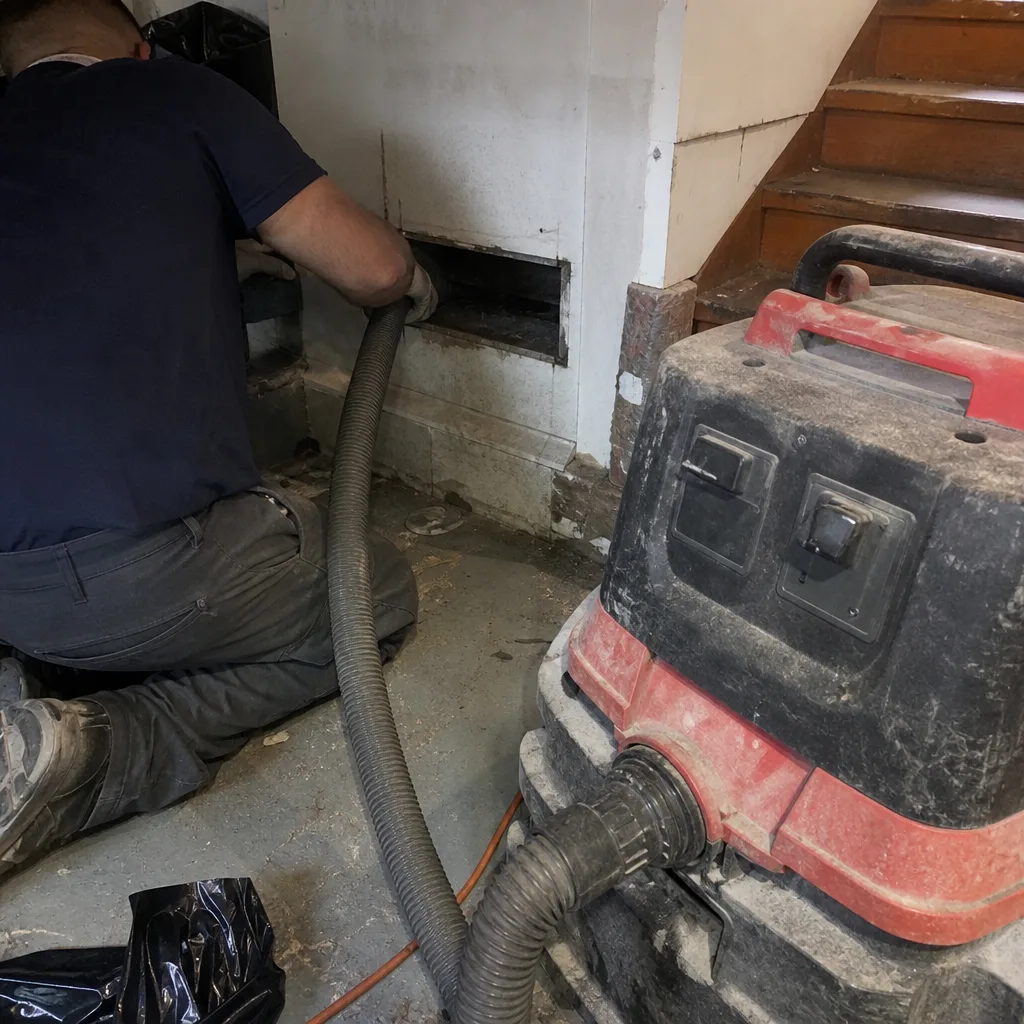 Before
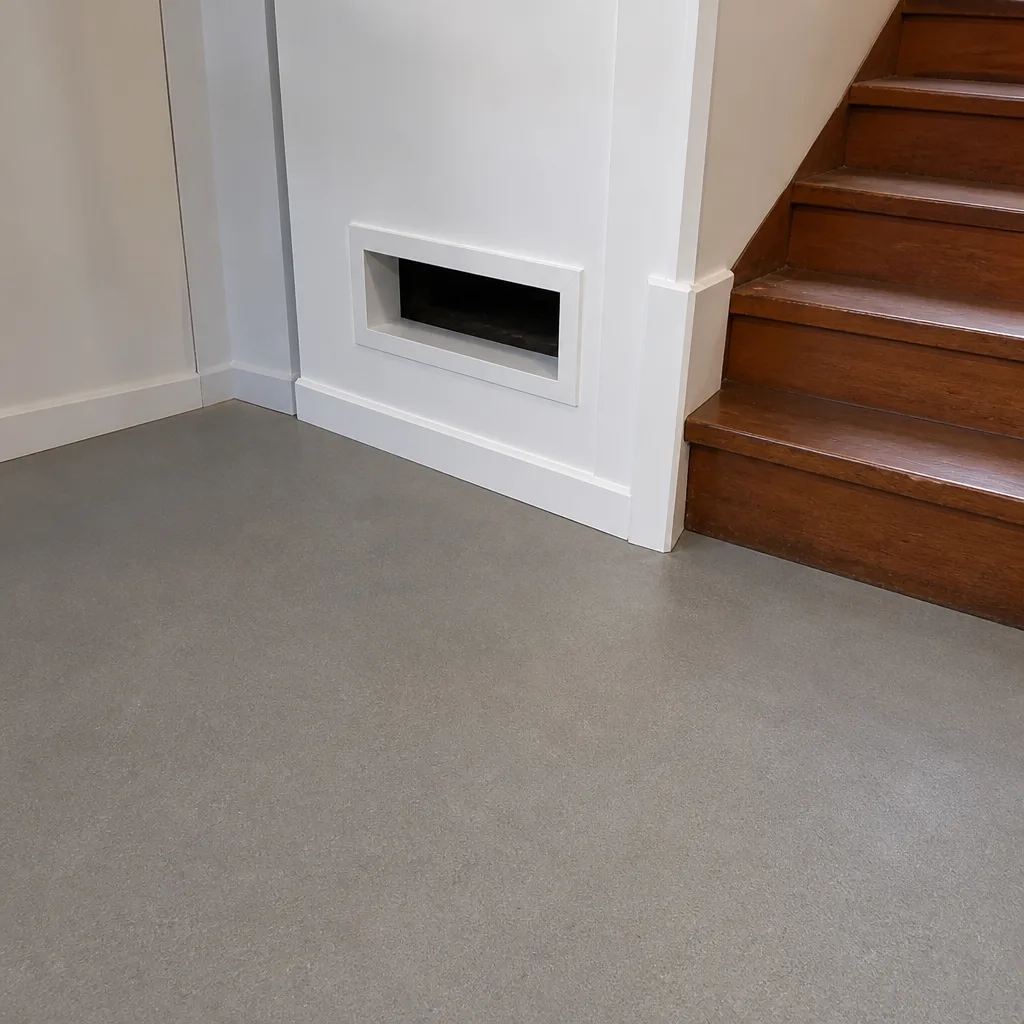 After
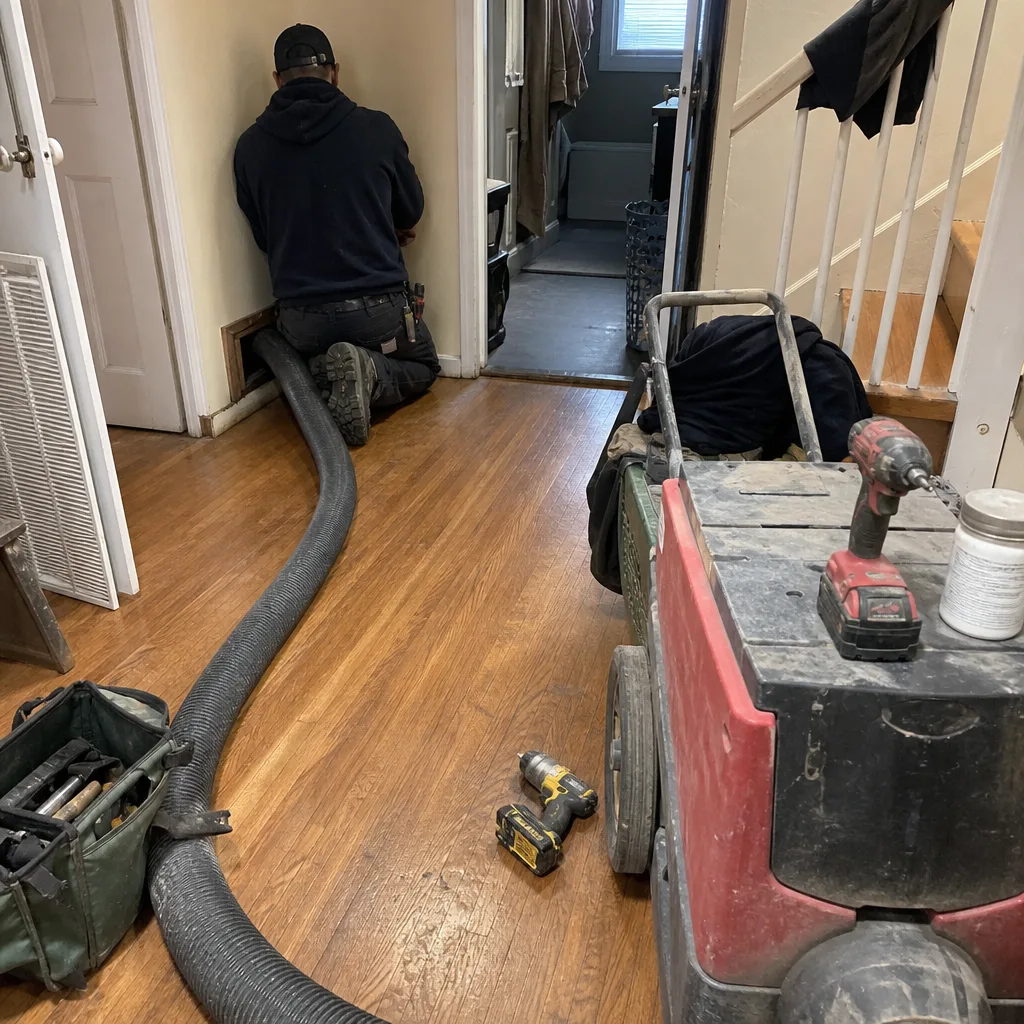 Before
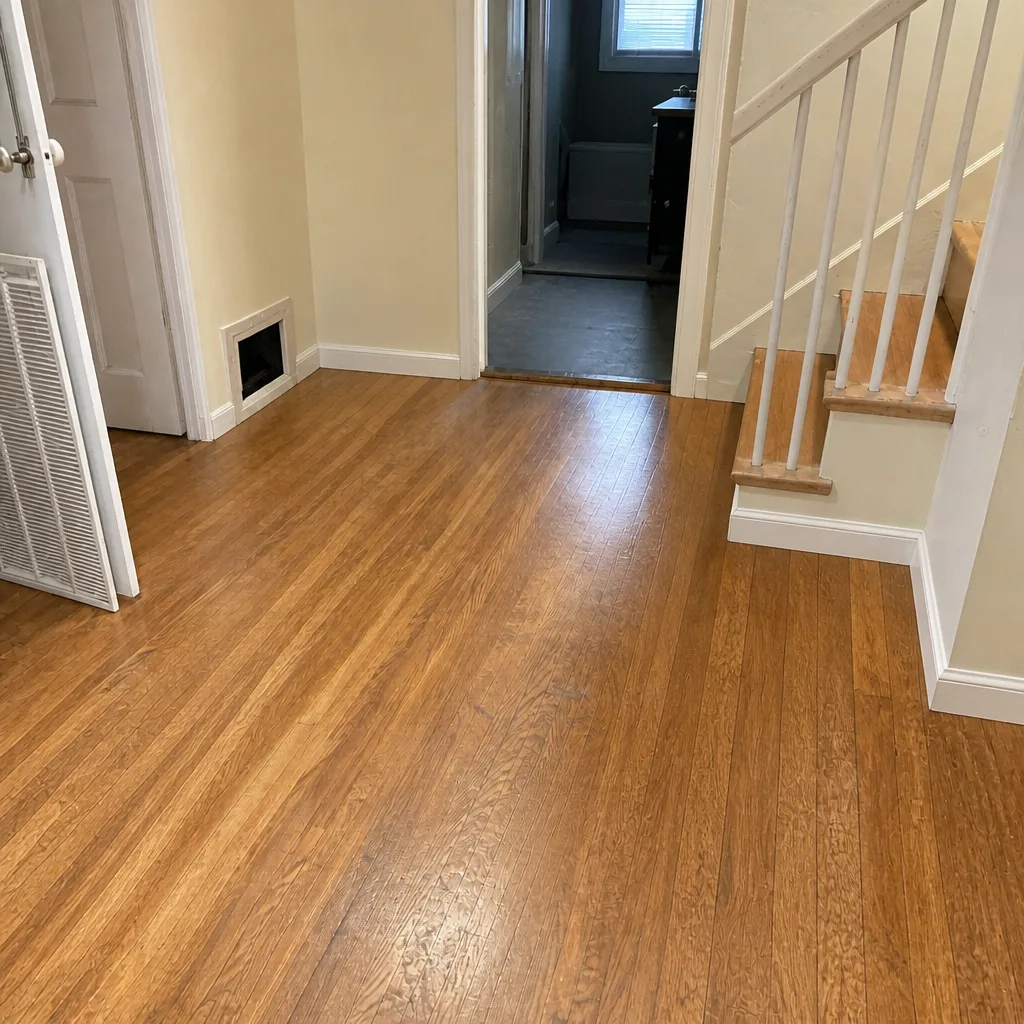 After
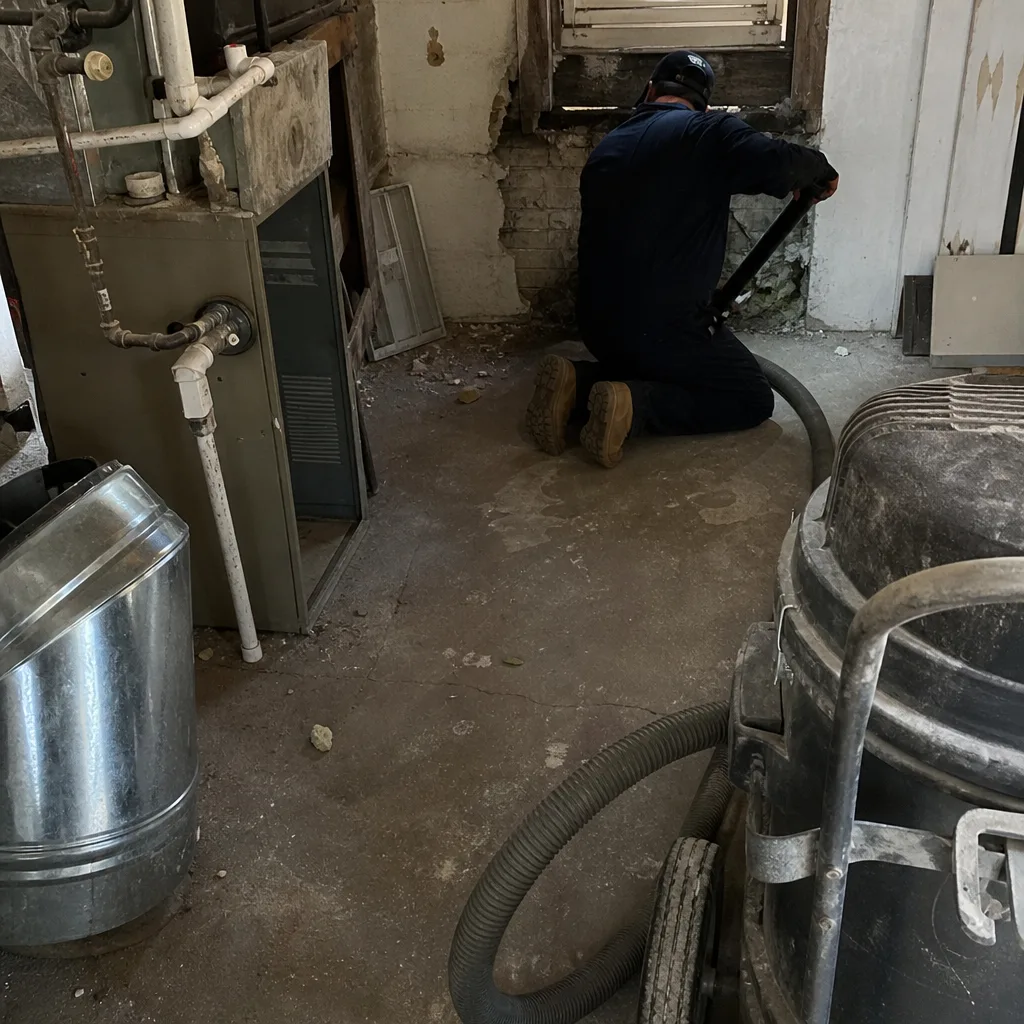 Before
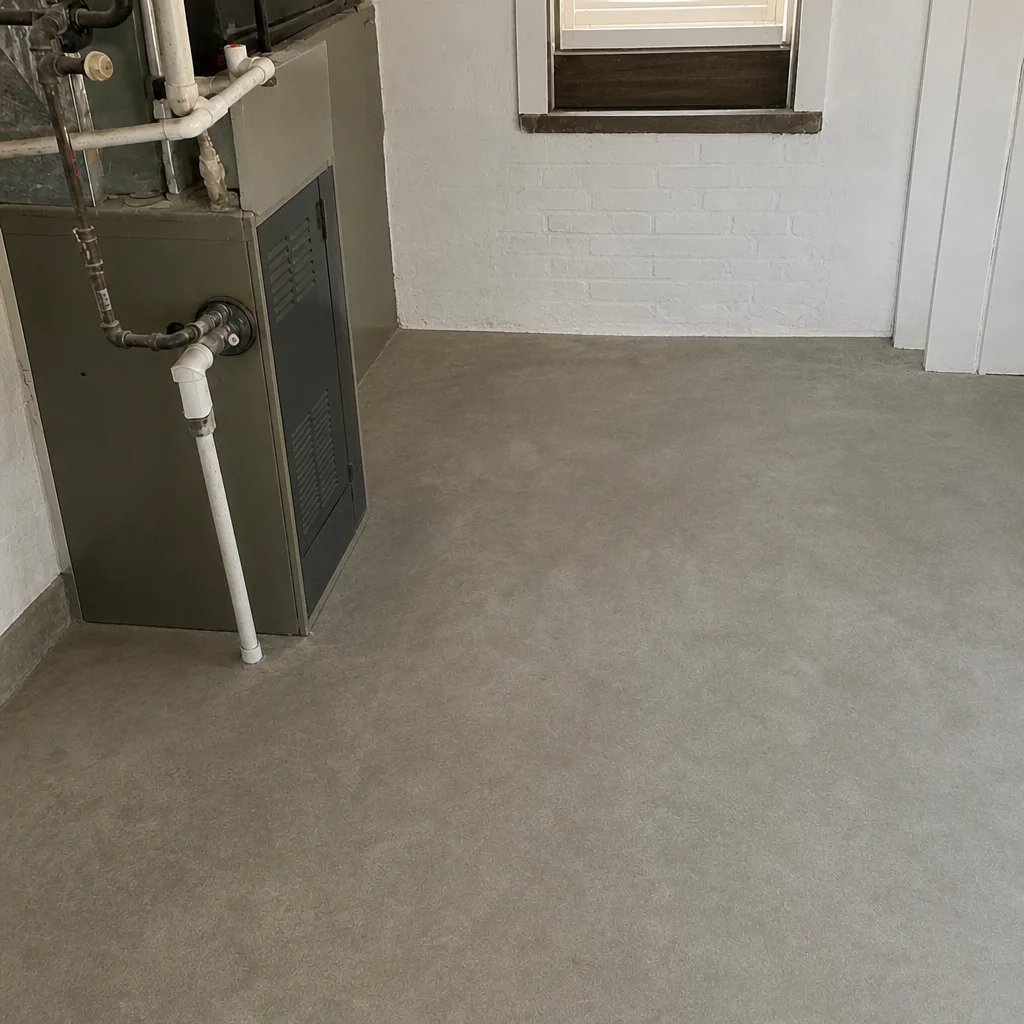 After
Frequently Asked Questions
Dust or a musty smell that returns within days of cleaning a register is the most reliable sign. A one-time dusty vent is normal; a vent whose halo comes back in less than a week means the contamination is in the duct serving that room, not the register face. If the symptom appears in more than one room, the whole system is suspect. Call (844) 935-2565 for a free estimate before you book anything.
Air duct cleaning in South Buffalo is priced per system, not per vent, so the total depends on the size of your home and duct layout. What you want is a flat price per system agreed before work starts, plus a written estimate that covers cleaning, and, if needed, repair and sealing as a separate line. That’s how we quote. Call (844) 935-2565 for an exact quote, and the estimate is free.
A low price usually means a smaller scope: a quick pass with the wrong equipment, no repair, no sealing, and no documentation. Compare the equipment named (Rotobrush and Nikro are the professional standard; a shop vacuum is not) and confirm whether repair and sealing are included. Then compare before-and-after photos of your own ducts. A cheap quote that skips the equipment and doesn’t touch the leak isn’t a better deal. Call (844) 935-2565 and we’ll give you a flat price per system that covers what the visit actually does.
Before-and-after photos of the ductwork are the standard proof, and you should ask for them. A professional-grade system also logs the pressure and airflow it sees, so the technician can show what the system was pulling and what it’s pulling after. If a contractor can’t show you the interior before and after, don’t assume it was cleaned. Call (844) 935-2565 if you’d rather see what’s there first.
There’s no fixed number that fits every South Buffalo home. The honest rule is to clean when the symptoms show up: returning dust, musty smell, uneven airflow, or visible duct contamination after inspection. Homes with pets, smokers, or recent renovation usually go shorter; a tightly maintained home goes longer. Watch the signs in this guide and book an inspection when they appear, rather than cleaning on a calendar. Call (844) 935-2565 for a free estimate when you want a look.
A musty smell that appears when the blower runs is almost always a duct problem. It means growth inside the ductwork or on duct liner, not a fault in the furnace itself. A burning dust smell is different: it points to debris contacting the heat exchanger and should be inspected promptly. Either way, the diagnosis belongs to someone who looks at the whole system. Call (844) 935-2565 to book an inspection.
The Bottom Line
Duct warning signs are easy to misread because most of them look like furnace problems, and the two trades don’t diagnose the same thing. Watch for three categories: odors (musty means growth, burning means debris on the heat exchanger, chemical means failing liner), dust that returns within days of cleaning, and room-by-room airflow imbalances. Inspect your registers and filter slot yourself first. Note what you see by room so you can describe it accurately. Then treat any of these signals as a reason for inspection, not a repair. On South Buffalo’s older housing stock and long heating season, that careful read saves time. If you want a real look at what’s actually in your ducts, Air Duct Cleaning South Buffalo handles cleaning, duct repair & sealing, and air quality sanitizing as one job. Our technicians have up to 14 years of experience. Call (844) 935-2565 for a free estimate. We answer 24/7, with fast dispatch from 7am to 7pm, Sunday through Friday.
If you’re starting from scratch on ductwork at your South Buffalo home, ask for an inspection before a price. It’s the fastest way to know whether you’re facing a cleaning job or a repair job.
Written by the team at Air Duct Cleaning South Buffalo.