
Last updated November 25, 2026
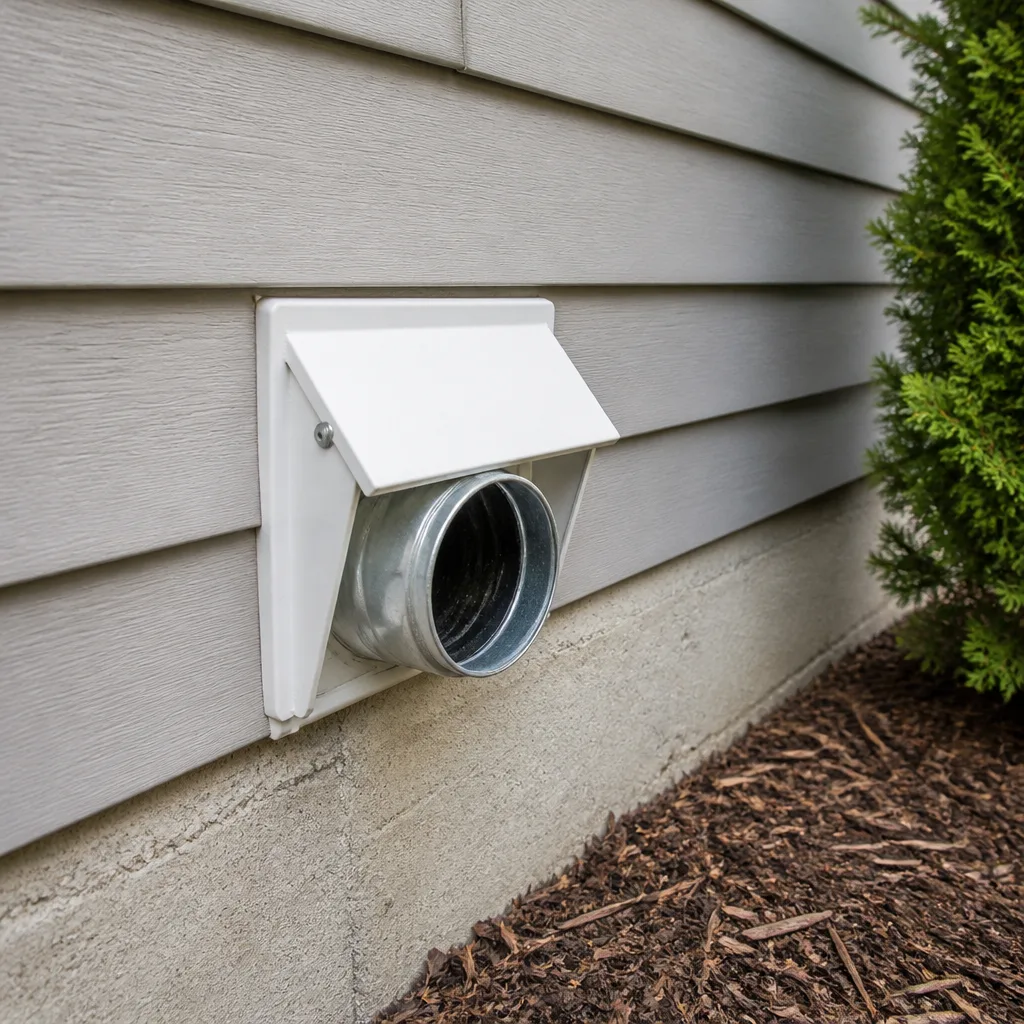 Dryer vent cleaning
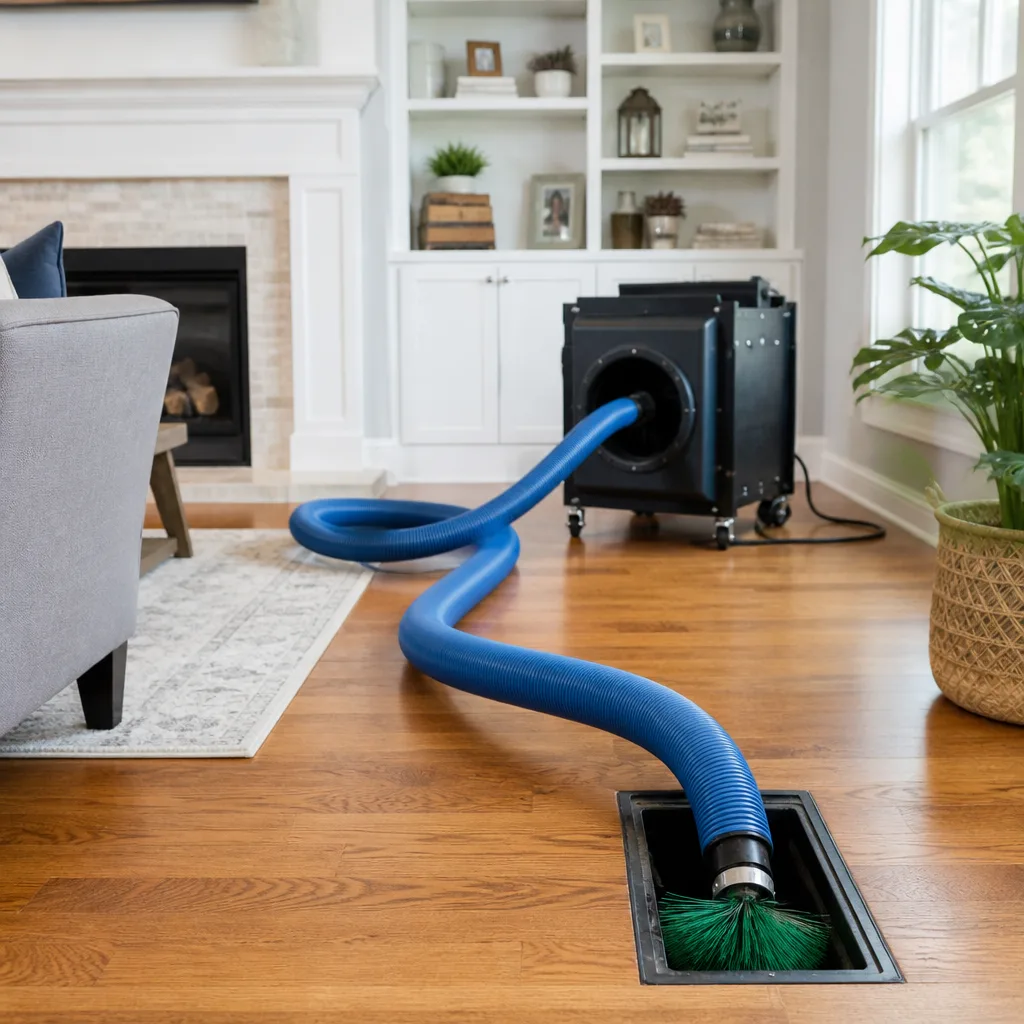 Whole-home duct cleaning
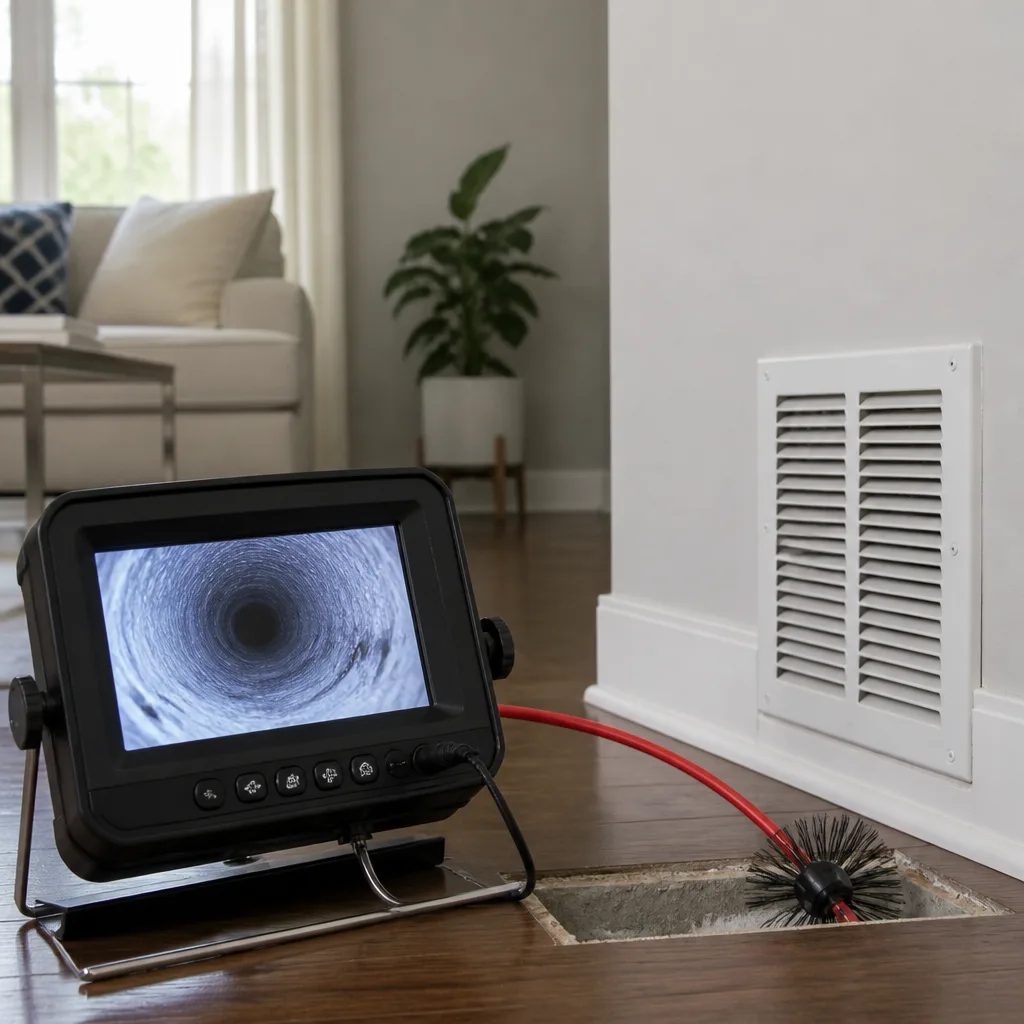 Camera inspection
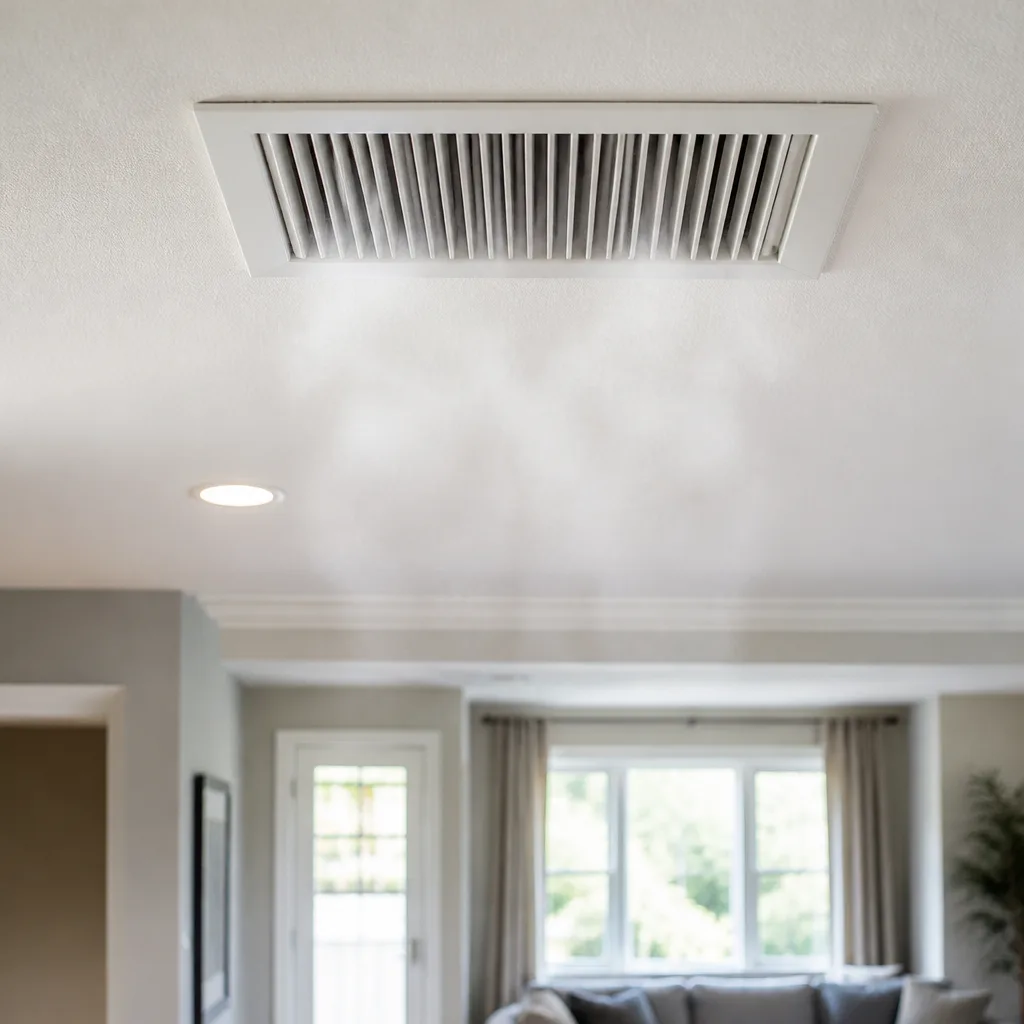 Sanitizing & deodorizing
Whole-system duct and dryer vent check with before-and-after photos - you see exactly what came out of your vents
That "$99 whole-house special" is a bait ad - the real number appears once they are in your hallway, or the "clean" is a shop-vac at the register. We photograph the inside of your ducts before and after instead.
Dryer Vent Cleaning Maintenance Checklist for South Buffalo Homeowners
Most homeowners think about dryer vent cleaning once, do it, and cross it off forever. That’s the mistake. A vent run isn’t a static thing. Lint accumulates at a rate that depends on how far the air has to travel, how many turns it makes, and what the duct is made of. In South Buffalo, where a lot of the housing stock is dense, older, and built before anyone thought hard about vent design, runs tend to be long and full of elbows. That changes everything about how often you should be checking. This guide walks through the specific maintenance schedule that fits South Buffalo homes, how to measure your own vent’s effective length, and the failure points to watch for in the area’s rowhouses and two-family buildings.
Quick Answer
Dryer vents in South Buffalo should be inspected at least once a year and cleaned professionally every one to three years, depending on the effective length of the run and the number of elbows it contains. A vent longer than 25 feet with two 90-degree elbows traps lint fast enough to justify annual cleaning. If you notice longer dry times, a hot exterior cap, or visible lint at the duct seams, schedule a cleaning sooner.
Styles & brands we work with
- Whole-home duct cleaning
- Dryer vent cleaning
- Camera inspection
- Sanitizing & deodorizing
Table of Contents
- Why South Buffalo Housing Stock Changes the Equation
- How to Measure Your Effective Vent Length
- The Visual Inspection Checklist
- Running Your Own Airflow Test Between Cleanings
- Rigid Metal vs. Flexible Foil: When Retrofitting Makes Sense
- When a Brush Kit Isn’t Enough
- Your Yearly Maintenance Schedule
- Common Mistakes to Avoid
Why South Buffalo Housing Stock Changes the Equation
South Buffalo has a lot of two-family homes, rowhouses, and older single-families built when dryer venting was an afterthought. Laundry rooms often sit in basements or interior rooms with no exterior wall nearby, which means the vent has to travel across the basement ceiling, turn, and exit through a side wall or up through the roofline. Every one of those turns costs airflow. Every foot of run costs airflow. And when airflow drops, lint settles instead of blowing out the cap.
Our technicians have up to 14 years of experience working in this kind of housing, and the pattern repeats: a vent that looks fine at the exterior cap but has a packed elbow tucked behind a finished basement ceiling. The fire risk lives in those hidden sections, not where you can see it.
There’s a second local factor. Western New York winters mean the exterior vent cap spends months cycling between warm exhaust air and cold outside temperatures. That condensation freezes on the cap damper, and a stuck-open damper lets cold air, snow, and pests back in. In our experience, a damper that doesn’t swing freely is one of the most common problems we find on dryer vent cleaning calls in South Buffalo.
None of this is meant to alarm you. It’s meant to explain why the generic “clean it once a year” advice you read online doesn’t match the reality of an older South Buffalo two-family with a 30-foot run and three elbows.
How to Measure Your Effective Vent Length
Effective length is the number that actually determines how fast lint accumulates in your vent. It’s your straight run in feet plus an equivalent length for every fitting. Most building codes use a standard table for these equivalents, and while the exact numbers vary slightly by jurisdiction, the concept is universal: every turn acts like extra straight duct.
Here’s how to work it out:
- Trace the duct from the back of the dryer to the exterior wall cap. Measure the straight horizontal and vertical sections in feet.
- Add 5 feet for every 90-degree elbow.
- Add 2.5 feet for every 45-degree elbow.
- Add 5 feet for the exterior cap.
- Add 2 feet for a transition duct behind the dryer.
- Total the number. That’s your effective length.
A straight 10-foot run out the back of a dryer through a wall has an effective length of roughly 17 feet. A basement vent run that goes 15 feet horizontally, turns 90 degrees, rises 8 feet, turns 90 degrees again, and exits through a wall lands near 40 feet effective length. That’s more than double the airflow restriction, and lint builds in half the time or less.
Many manufacturers cap the maximum allowable vent length at 25 feet, and that’s before you subtract for elbows. If your calculation comes in over 25 feet effective, your installation may not meet the appliance manufacturer’s specification. That doesn’t mean it’s illegal or unsafe by default, but it does mean annual professional cleaning isn’t optional. It’s the maintenance interval that keeps a long run safe.
The Visual Inspection Checklist
You can check several failure points yourself without any tools beyond a flashlight and a step stool. Do this walk-through every six months, ideally in spring and fall. If anything on this list looks wrong, that’s your cue to book a dryer vent cleaning rather than waiting for the next cycle.
Exterior cap and damper
- Damper swings freely. Push it open with a finger. It should move easily and close on its own. A stuck damper (open or closed) is a failure.
- No birds, nests, or debris. Lint makes a soft, warm nesting material. Starlings and sparrows find it attractive.
- No crushed or dented cap. Physical damage to the exterior hood restricts flow.
- No ice buildup. Very common in South Buffalo winters when the vent runs hot and the outside air is below freezing.
Interior duct and connections
- Check the transition duct behind the dryer. This is the flexible connector from the dryer outlet to the wall. Look for crushed sections, kinks, or foil tape peeling loose.
- Run your hand along the duct seams in the basement. Any lint visible at joints means lint is accumulating inside faster than it’s escaping.
- Check that the duct isn’t disconnected. In older South Buffalo homes, we sometimes find the vent duct has separated at a joint and is blowing lint into a wall cavity or basement ceiling.
- Look for flexible foil duct where rigid metal should be. Especially in long runs, foil is the wrong material (more on this below).
Laundry area
- Clear space around the dryer. Nothing stored on top, nothing stacked against it. Dryers need air around them.
- Check the lint trap housing. Lint that bypasses the trap and builds up in the housing is a sign of a worn trap or a back-pressure problem downstream.
- Look behind the dryer for lint accumulation on the floor and wall. Sounds normal, but heavy accumulation behind the appliance usually points to a leak at the connector.
These checks take ten minutes. They catch most of the failure points that cause dryer fires, and they tell you when a professional visit is genuinely needed rather than just routine.
Running Your Own Airflow Test Between Cleanings
You don’t need instruments to know whether your vent is performing. Two simple observations will tell you when airflow has degraded and it’s time to schedule a cleaning.
Observation 1: Drying cycle time
Most laundry loads should dry in a standard cycle length. If you notice the time creeping up – a load that used to finish in 50 minutes now needs 70, or you’re running a second cycle to get things dry – airflow is dropping. That’s the single most reliable signal a homeowner can watch.
Track your baseline. Pick a typical load (towels, jeans) and note the cycle time once a month. When it drifts up by 20 minutes or more, that’s your trigger.
Observation 2: Exhaust heat at the exterior cap
Go outside while the dryer is running. Put your hand near the exterior cap. You should feel warm, moist air moving steadily. If the airflow feels weak, or if the air is hot but not moving, that’s a blocked or restricted vent. If the cap is hot to the touch, that’s more urgent – heat is building in the duct instead of escaping, which is exactly the condition that ignites accumulated lint.
A third test, less common but useful: run a load on a cold day and check whether any condensation forms inside the exterior wall near the duct. That’s a sign the duct is leaking warm air into the wall cavity instead of exhausting properly.
When these tests show a problem, don’t reach for a brush kit. Back-pressure on a long run is a symptom that needs proper extraction equipment and a diagnosis of what’s causing it. That’s a job for professional equipment – we run Rotobrush and Nikro systems specifically because consumer-grade vacuums can’t generate the pressure needed to clear a packed 30-foot run.
Rigid Metal vs. Flexible Foil: When Retrofitting Makes Sense
If your dryer vent uses flexible foil or vinyl duct anywhere in the run, especially indoors, it’s worth understanding why that matters. Rigid metal duct with smooth interior walls produces far less airflow resistance than corrugated flexible duct. The corrugations trap lint. The material itself is the problem, not just a maintenance issue.
Flexible foil also fails faster. It crimps, it tears at the elbows, and it sags. In our experience, a flexible foil run through a finished basement in South Buffalo is the single most common pattern we find where lint accumulation outpaces the homeowner’s cleaning schedule.
When is retrofitting worth the cost? Here are the situations where we recommend upgrading the duct:
- The run is longer than 25 feet effective. A long flexible run compounds the airflow restriction.
- The duct passes through a finished basement, crawl space, or wall cavity. You can’t inspect it, so a material that traps lint is a poor choice.
- The duct has crushed or kinked sections. Once flexible foil is compressed, it doesn’t recover.
- There are three or more elbows in the run. Every turn through corrugated material is a lint trap.
- You’ve had multiple cleanings in a short period. That’s a sign the run needs correcting, not just cleaning.
Retrofitting to rigid metal is not a small job, and it’s not for every home. But if you’ve got a two-family in South Buffalo with a basement run that has been cleaned twice in three years, upgrading is usually worth it. It’s a one-time correction that extends the cleaning interval for the lifetime of the installation. We offer duct repair & sealing as part of the upgrade work, which includes sealing the joints on rigid runs so lint doesn’t escape into the basement ceiling.
When a Brush Kit Isn’t Enough
DIY dryer vent brush kits sold at hardware stores work for a straight, short run. They do not work for long runs with elbows, and they don’t generate enough suction to actually remove the lint they loosen. In fact, a brush kit on a packed vent can make things worse by dislodging lint without extracting it, leaving a loose plug downstream.
Here are the signs that a professional extraction visit is genuinely needed:
- Drying cycles exceed your baseline by 20+ minutes despite a clean lint trap.
- You can’t get a brush past a certain point in the run. That’s a packed elbow.
- You see visible lint at duct seams or at the exterior cap. The duct is full.
- The exterior airflow is weak even when the dryer is running. Back-pressure.
- The exterior cap is hot to the touch. Heat is trapped. That’s an immediate safety concern, and you should stop using the dryer until the vent is cleared.
- You’ve had a recent electrical or motor issue with the dryer. Overheating dryers often point to vent restriction.
Professional extraction uses the same equipment standard found in commercial settings. We run Rotobrush and Nikro systems because they generate the airflow needed to clear a long, restricted run without leaving lint behind. Those tools also let us see inside the duct with a camera so we can tell you exactly what was in there, not just tell you it was cleaned.
If your home also has a furnace and ductwork that hasn’t been seen to in years, it’s worth scheduling air duct cleaning at the same visit so both systems get addressed.
Your Yearly Maintenance Schedule
Here’s the calendar we suggest for South Buffalo homeowners, built around the seasons and the housing stock patterns we see most often.
Spring: Full inspection and cleaning
- Professional dryer vent cleaning if the run exceeds 25 feet effective length or has three or more elbows.
- Visual inspection of the exterior cap, damper, and interior connections.
- Check the transition duct behind the dryer for crushing or wear.
- If you also have ductwork, schedule HVAC cleaning for the same appointment window.
Summer: Airflow test
- Run your baseline drying cycle test.
- Check the exterior cap for nests, lint, and damage (birds are more active in summer).
- Inspect the basement run for any sign of moisture – summer humidity plus a leaky duct can grow mold.
Fall: Winter prep inspection
- Confirm the exterior damper swings freely and closes fully.
- Check that the exterior cap isn’t showing ice damage from last winter.
- Clean the lint trap housing if lint has been bypassing the trap.
- If the run is long, schedule a cleaning before winter if it’s been more than a year.
Winter: Watch for ice and thermal signs
- Check the exterior cap after cold snaps – a frozen damper is common in South Buffalo.
- Watch for longer dry times. Heating systems run more, indoor humidity drops, and lint dries faster, which means it accumulates slightly faster.
- If the exterior cap is hot on a very cold day, stop using the dryer until the vent can be cleared.
Every two years (or annually for long runs): full extraction
On runs that exceed 25 feet effective length or have three or more elbows, annual professional extraction is the interval that keeps up with lint accumulation. For shorter, straighter runs, every two years is usually enough. If you’ve ever wondered what contributes to indoor air quality beyond the dryer, air quality and sanitizing work is worth discussing at the same visit. We source filtration and sanitizing products from Honeywell, Aprilaire, and Guardsman, so the products we recommend are nationally recognized brands, not mystery chemicals.
Common Mistakes to Avoid
- Assuming a clean lint trap means a clean vent. The lint trap only catches what it catches. A significant amount of lint bypasses it every cycle and ends up in the duct.
- Replacing flexible foil with more flexible foil. If you’re paying to correct the run, upgrade to rigid metal. Foil will fail the same way.
- Ignoring the exterior damper until it sticks closed. A stuck-closed damper traps moisture, lint, and heat in the duct. A frozen one in South Buffalo winters is common, and it’s a fire risk.
- Using a brush kit on a long run. A brush loosens lint it can’t extract, which can create a plug downstream instead of clearing the vent.
- Skipping the transition duct behind the dryer. This short section is crushed or kinked in a surprising number of homes we see. It’s a cheap replacement and it matters.
- Running the dryer with a hot exterior cap. Heat trapped in a packed duct is the exact condition that starts a fire. If the cap is hot, stop using the dryer until it’s cleared.
- Waiting for a burning smell or a warning light. By the time you smell something, lint is already smoldering inside the run. Maintenance catches the vent long before that.
When to Call a Professional
Most homeowners can handle the visual inspection walk-through on their own. Where a professional visit makes sense is when the run is too long or restricted to clear with a brush, when airflow has dropped significantly, or when the exterior cap is hot. It also makes sense when the duct itself is compromised – crushed, disconnected, or made of the wrong material – since cleaning alone doesn’t fix a duct problem. In South Buffalo, older two-family homes and rowhouses commonly have a basement run that’s been out of sight for years, and that’s exactly where a professional extraction visit finds the packed elbows. Air Duct Cleaning South Buffalo offers free estimates in South Buffalo. Call (844) 935-2565. We answer 24/7. Fast dispatch from 7am to 7pm, Sunday through Friday. The local pro is licensed and insured as their state requires, and we give you one flat price per system agreed before work starts.
See the difference
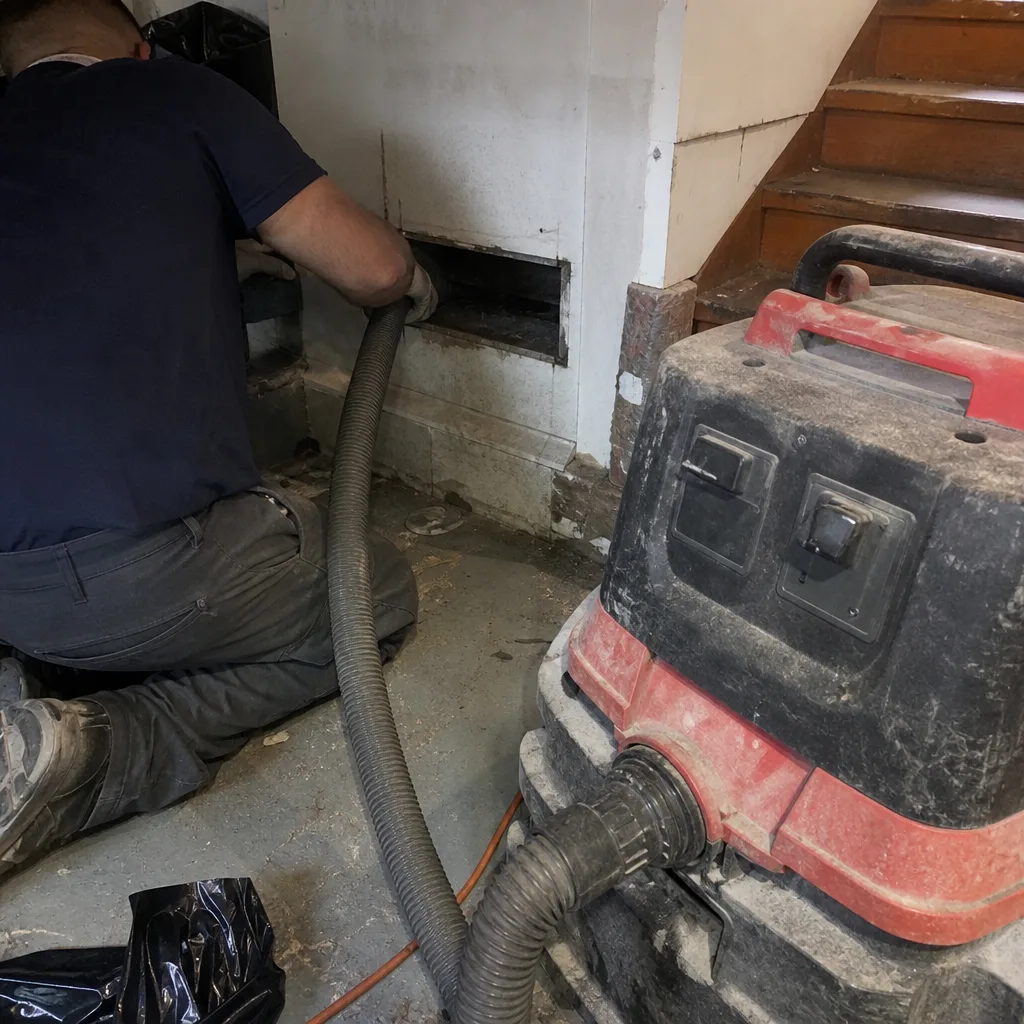 Before
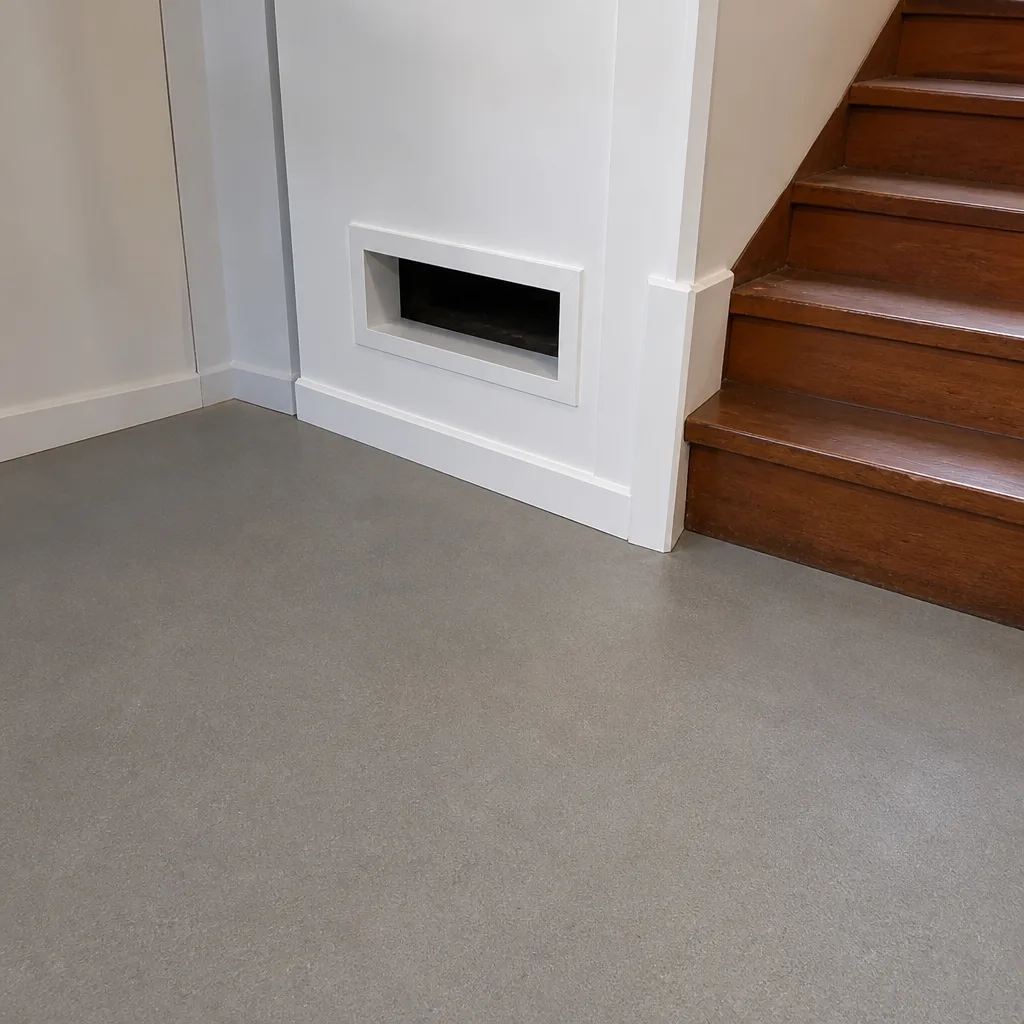 After
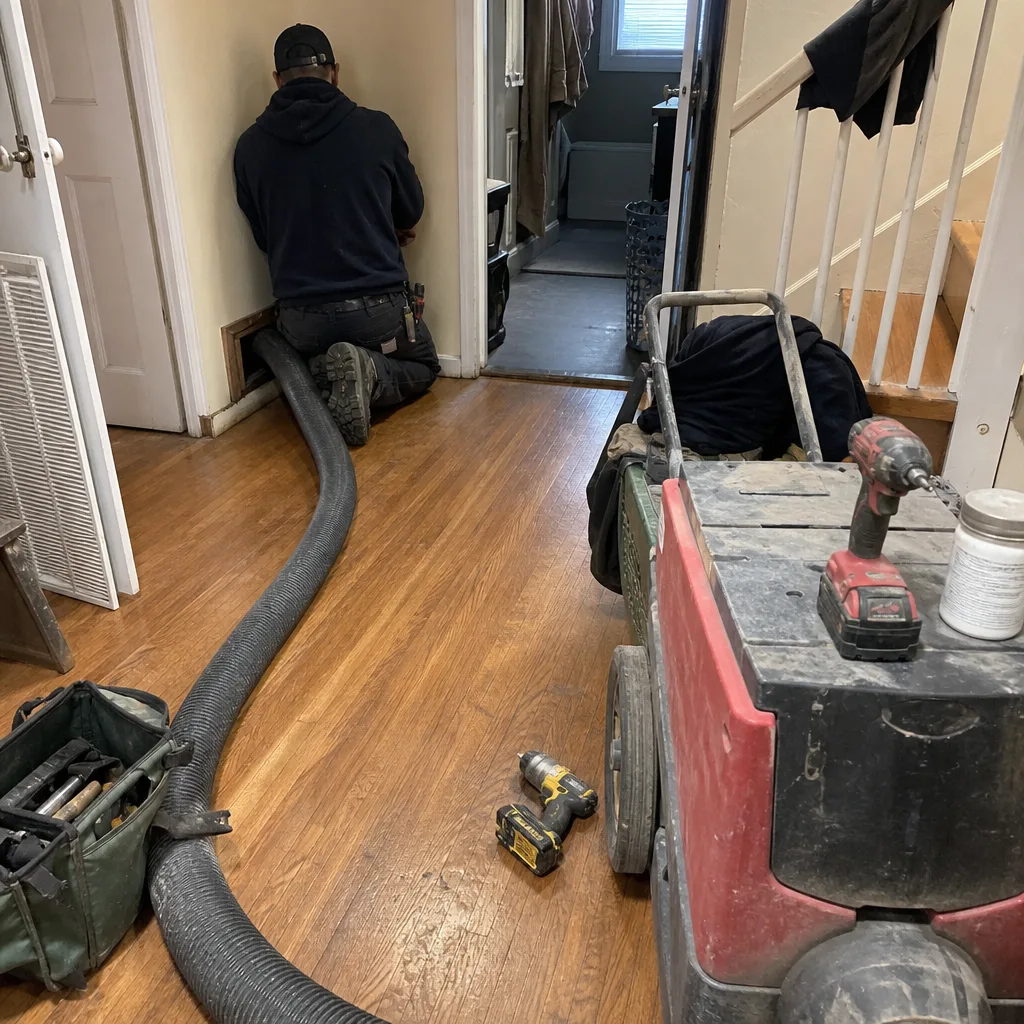 Before
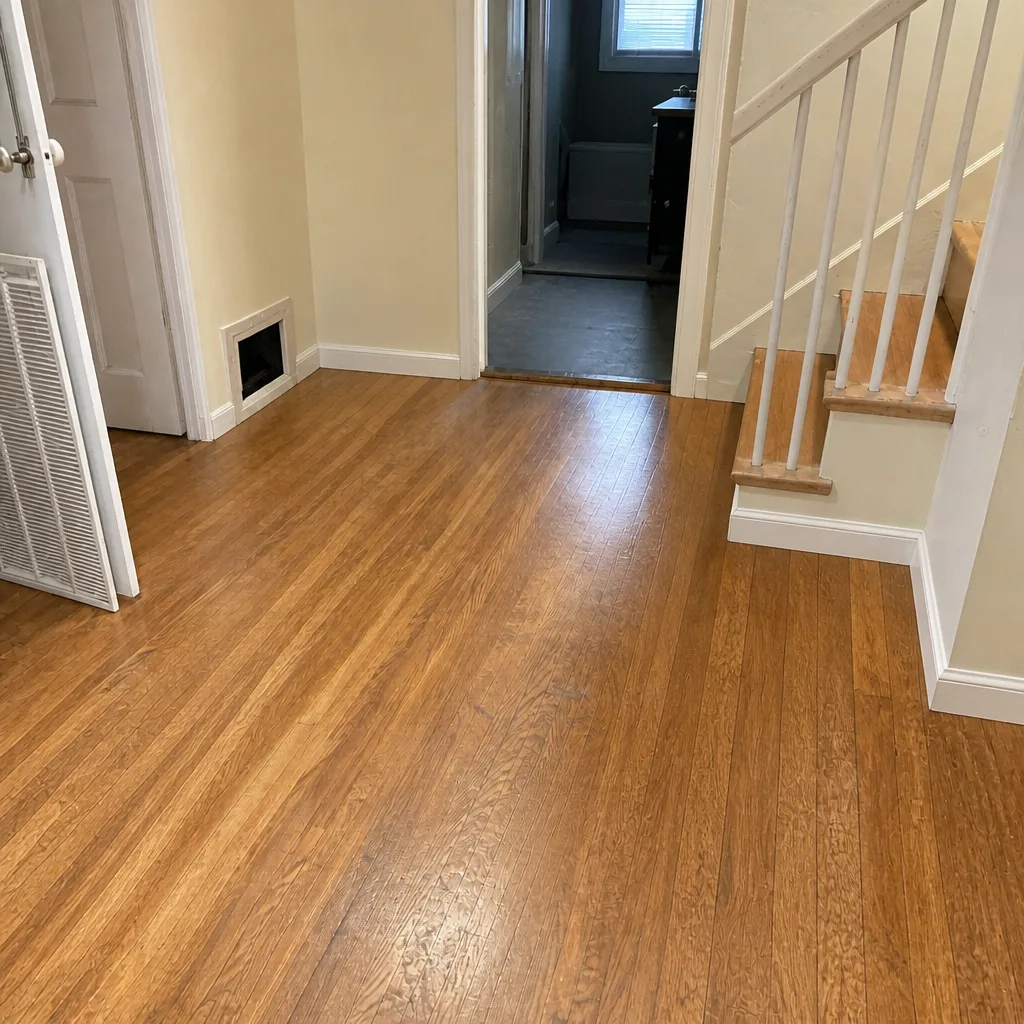 After
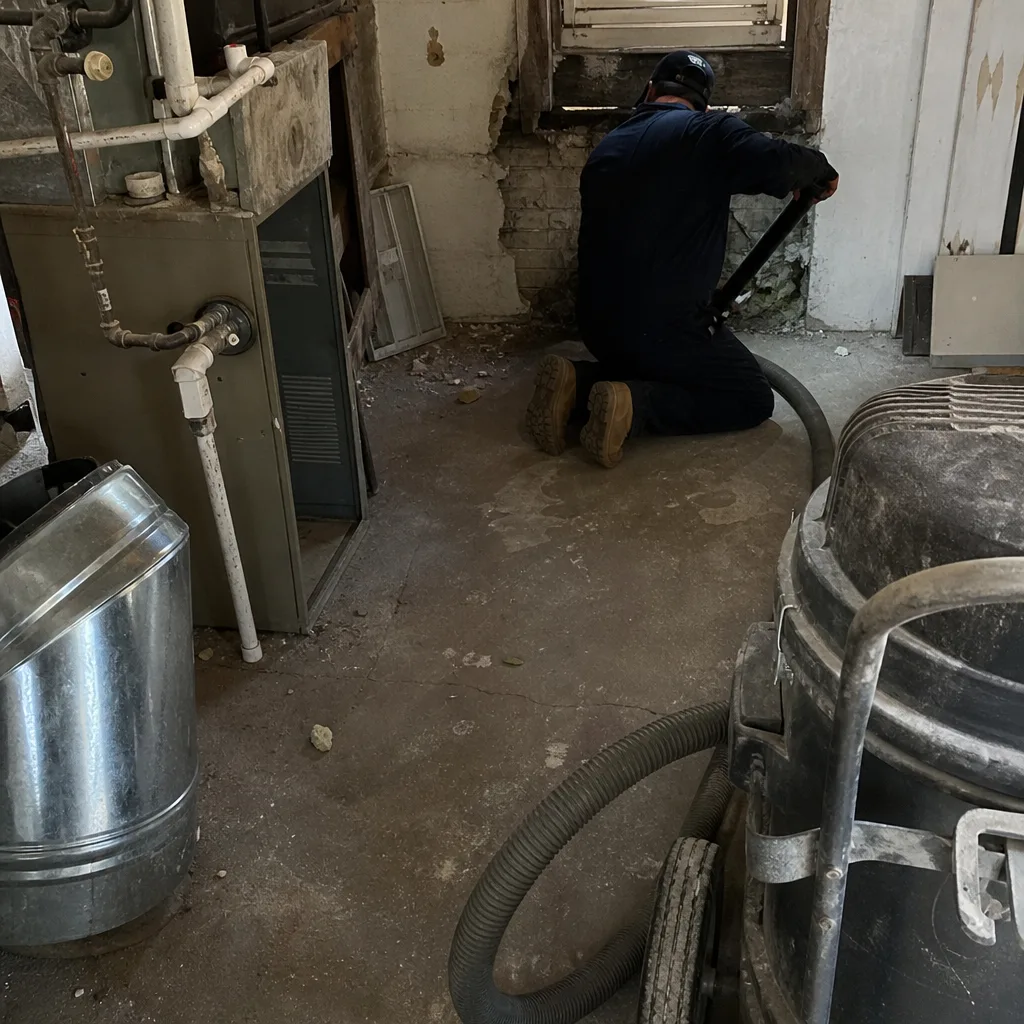 Before
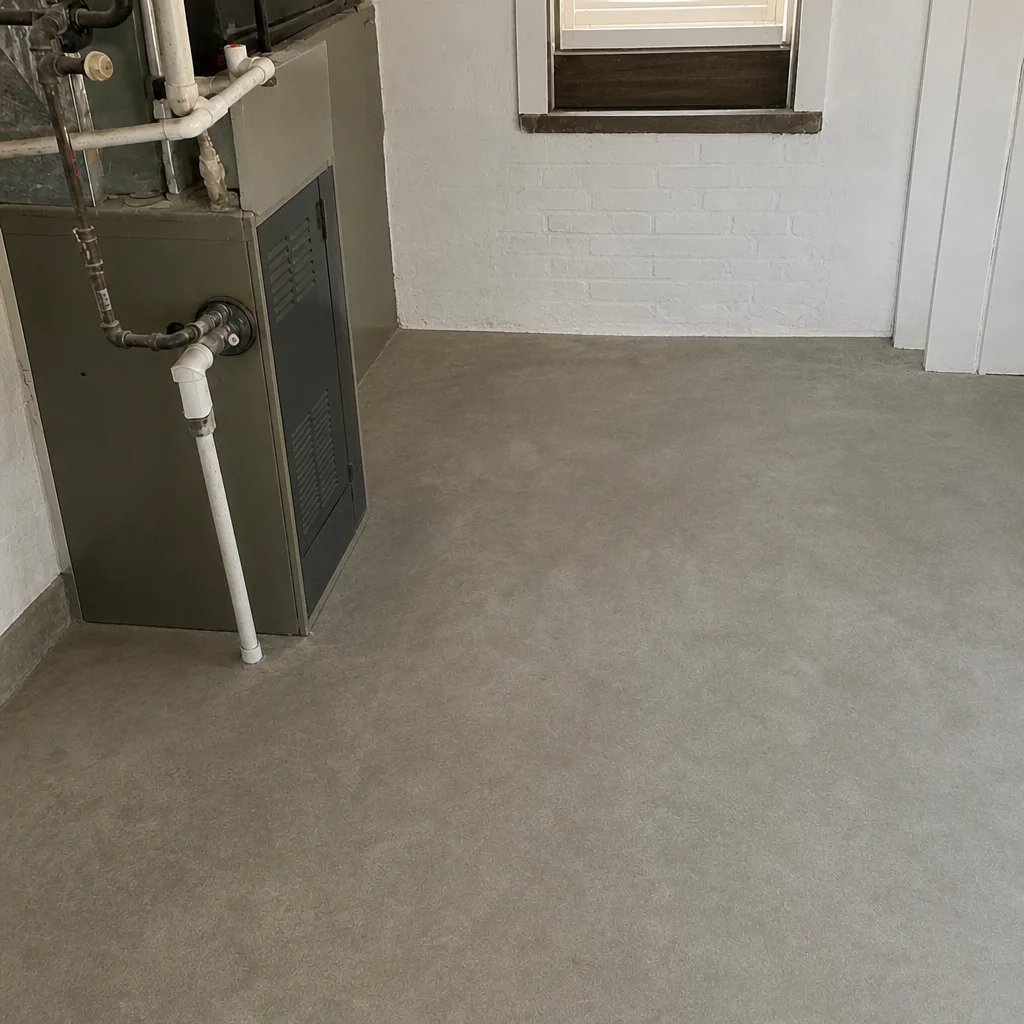 After
Frequently Asked Questions
At least once every one to three years, and annually for runs longer than 25 feet effective length or with three or more elbows. Homes with long basement runs through finished ceilings should be cleaned annually, since airflow restriction builds faster than a short straight run.
The cost depends on the length of the run, the number of elbows, and whether there’s an access issue like a finished basement ceiling. Whole-system pricing is what we work from, not per-vent. Call (844) 935-2565 for an exact quote. Estimates are free.
Cheap quotes are often based on a short-brush pass that clears the first few feet of the run and stops at the first elbow. A proper extraction uses contractor-grade equipment that pulls lint from the full length of the duct. Ask any company how they plan to reach the far end of your run before you book.
Ask for before-and-after photos of your own duct, not just a receipt. A camera inspection of the interior run is the check that shows the work was actually done. If a company can’t produce photos of your vent specifically, that’s a signal the work may have been perfunctory.
You can clean a short, straight run with a brush kit. You cannot effectively clean a long basement run with elbows, and a brush on a packed vent can make things worse by dislodging lint it can’t extract. If your run exceeds 25 feet effective length, use a professional extraction.
Long, multi-elbow basement runs through older housing stock, in our experience. Those runs trap lint faster and are harder to inspect, which is why the maintenance schedule matters more here than it would in a home with a short, straight vent.
The Bottom Line
The maintenance schedule is the part most homeowners miss, not the cleaning itself. Measure your effective run length once. Track drying cycle time monthly. Check the exterior cap and damper at least twice a year. Then set your professional cleaning interval based on what the run actually is, not a generic rule. If your run is over 25 feet with elbows, or passes through a finished basement, annual cleaning is the interval that keeps up. If the run is short and straight, every two years is reasonable. One flat price per system agreed before work starts means no surprise invoice once the technician is on site, and before-and-after photos of your duct tell you the work was actually done.
Contact
If your dryer vent run is long, hard to reach, or hasn’t been serviced in years, give us a call and we’ll walk you through what to expect. Air Duct Cleaning South Buffalo handles dryer vent cleaning, air duct cleaning, HVAC cleaning, duct repair and sealing, and air quality sanitizing as one connected service, so anything we find gets handled without calling another company. Call (844) 935-2565 for a free estimate. We answer 24/7. Fast dispatch from 7am to 7pm, Sunday through Friday.
Written by the team at Air Duct Cleaning South Buffalo.