
Last updated November 25, 2026
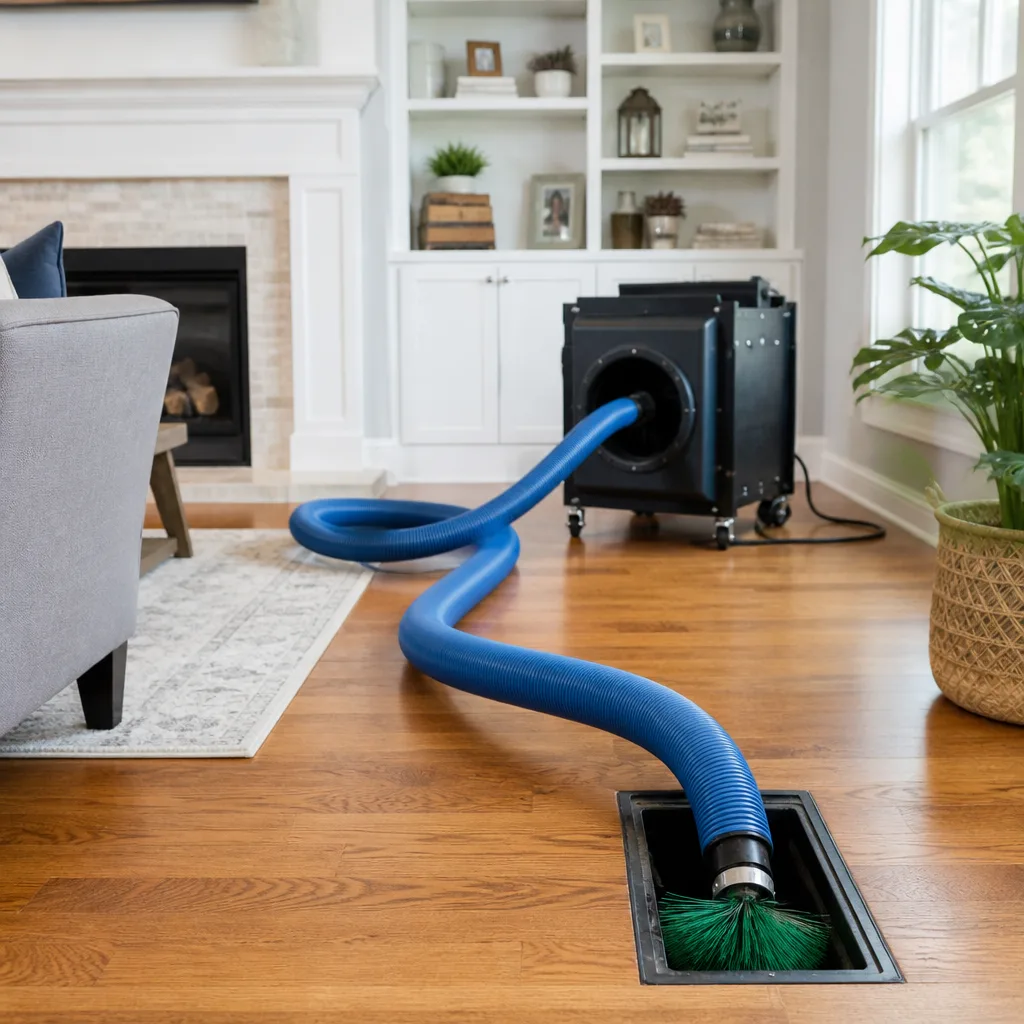 Whole-home duct cleaning
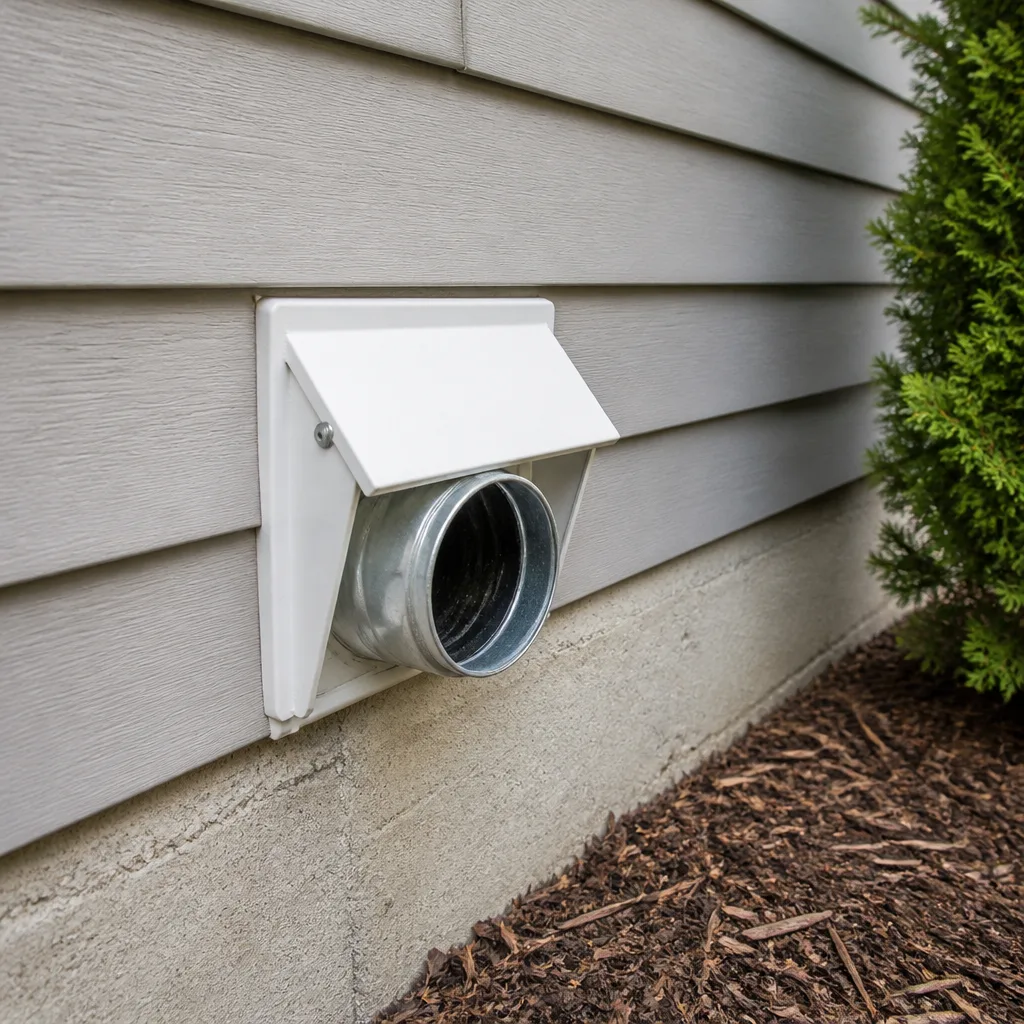 Dryer vent cleaning
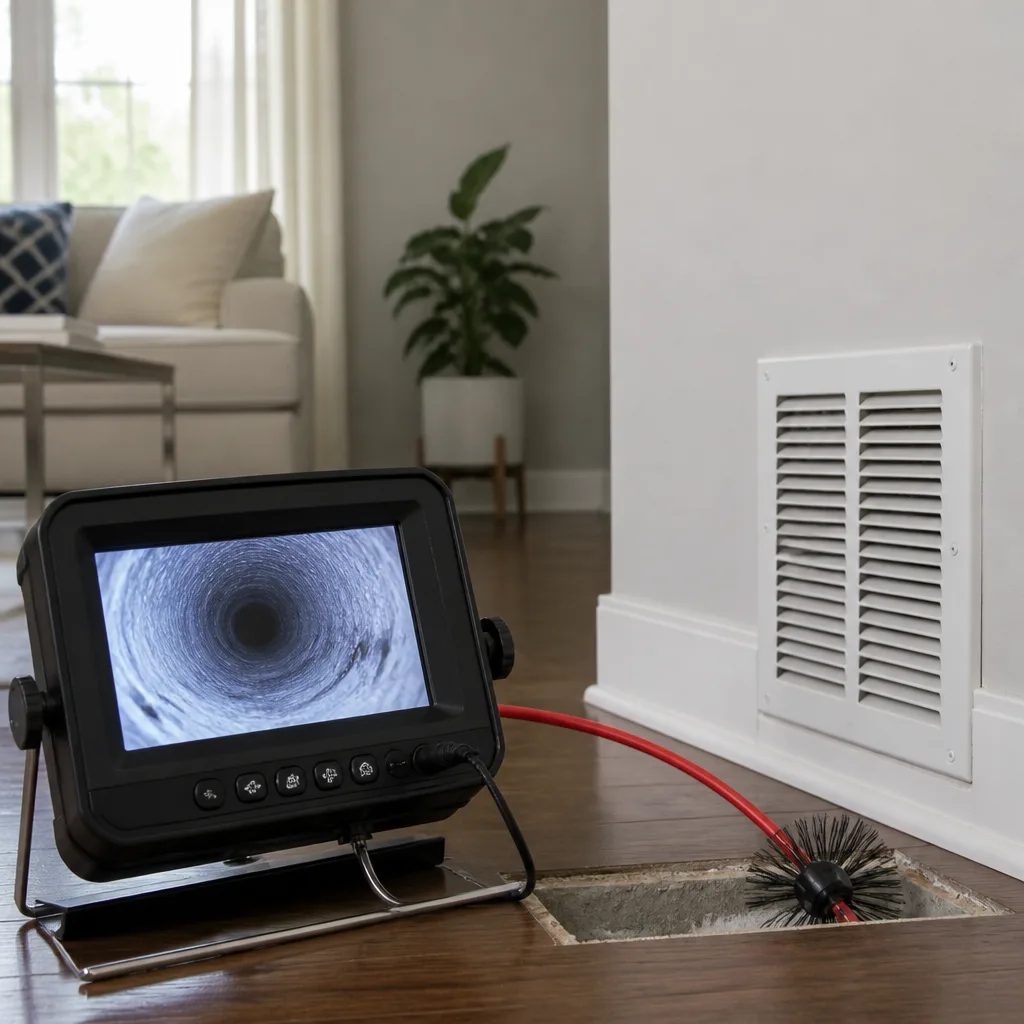 Camera inspection
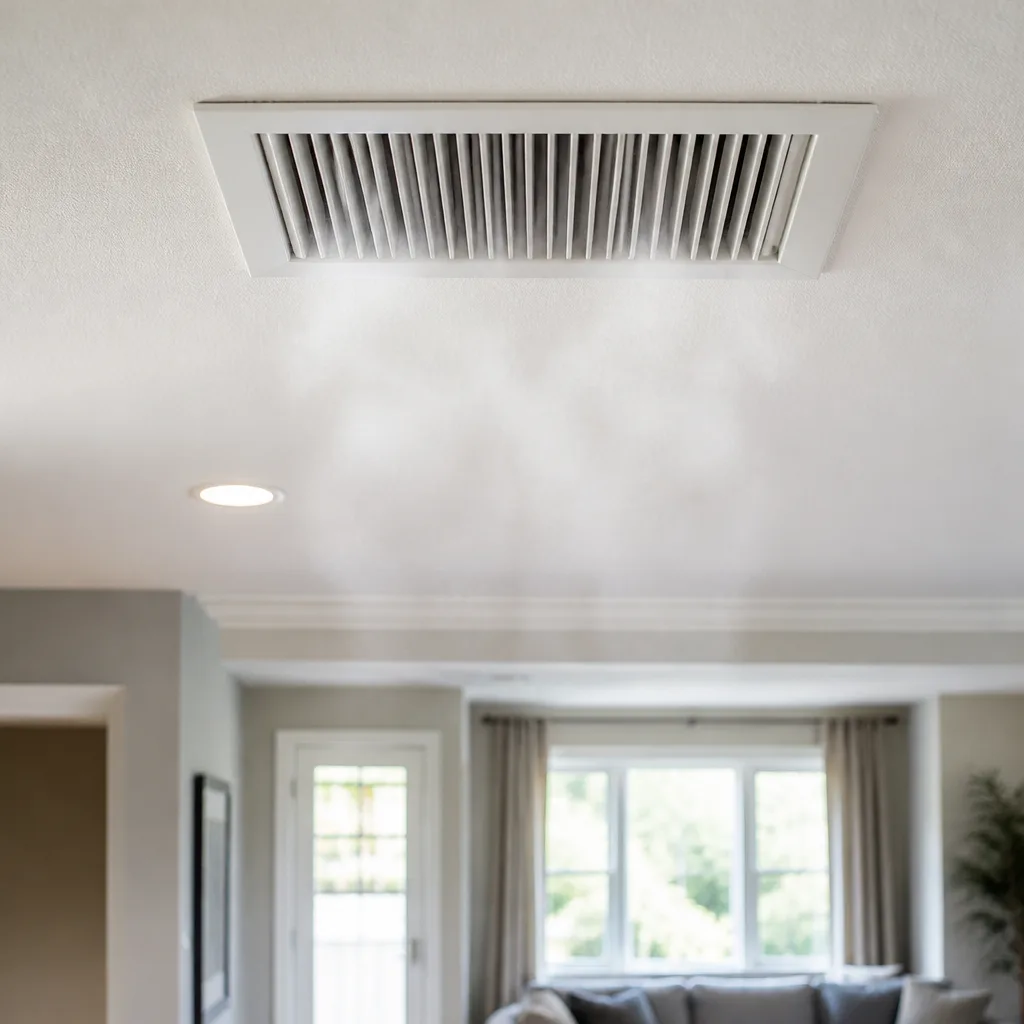 Sanitizing & deodorizing
Whole-system duct and dryer vent check with before-and-after photos - you see exactly what came out of your vents
That "$99 whole-house special" is a bait ad - the real number appears once they are in your hallway, or the "clean" is a shop-vac at the register. We photograph the inside of your ducts before and after instead.
DIY vs Professional Air Duct Cleaning: The South Buffalo Homeowner’s Decision Guide
Most advice on this topic starts in the wrong place. It asks whether you should clean your own ducts or hire someone, as though the two were interchangeable versions of the same job. They aren’t. A retail vent brush and a contractor-grade negative air machine don’t do the same task at different levels of polish; they do different tasks. A $30 dryer vent brush kit can clear a straight eight-foot run thoroughly and safely, and we’ll say so plainly. That same kit cannot generate the 2,000-plus CFM of negative pressure required to pull debris out of a 2,500-square-foot South Buffalo home’s duct network. This guide maps exactly where your own effort stops being useful and professional equipment becomes the only real option, so you can decide with the technical facts in front of you instead of a sales pitch.
Quick Answer
DIY air duct cleaning is genuinely effective for register grilles, filter housings, and short straight dryer vent runs, but it cannot clean an entire duct system. Consumer vacuums and brush kits move far too little air and reach far too few feet to extract the debris lodged in a full residential network. Professional cleaning is necessary when you have long runs, multiple stories, finished basements, mold concerns, or older flex duct, because those conditions require negative air pressure, containment, and access tools that retail equipment doesn’t have.
Styles & brands we work with
- Whole-home duct cleaning
- Dryer vent cleaning
- Camera inspection
- Sanitizing & deodorizing
Table of Contents
- What Consumer Tools Can Actually Reach (and What They Can’t)
- CFM and Static Pressure: Why Airflow Is the Whole Ballgame
- Where DIY Genuinely Works
- When DIY Makes the Problem Worse
- The South Buffalo Housing Factor
- Cost-Benefit Math: Tools, Time, and What Professional Work Delivers
- Clean Ducts Are Only Part of the Job: Repair and Sealing
- The Dryer Vent Exception
What Consumer Tools Can Actually Reach (and What They Can’t)
The gap between retail and professional duct cleaning equipment comes down to airflow, reach, and containment. Each of those three matters, and a consumer kit typically falls short on all of them at once. Understanding the difference helps you judge any quote you receive, whether it comes from us or anyone else.
Here’s how the three main consumer categories compare against contractor-grade systems.
- Hand brushes and vent wipers. Good for surface dust on register grilles and the first few inches of a boot. They loosen debris but don’t remove it from the system; whatever they knock free settles back into the run or drifts into the room.
- Portable shop vacuums. A typical shop vac moves well under 200 CFM and has no way to create a system-wide pressure differential. It cleans the spot the hose touches and leaves everything upstream untouched. Attaching it to a distant register does next to nothing, because the duct network leaks air at every joint and the vacuum simply pulls room air through the gaps.
- Consumer rotary brush kits. These can extend ten to fifteen feet and will scrub a straight run reasonably well. They stall out at elbows, struggle with long horizontal runs that sag, and can’t be steered into branch lines.
- Contractor-grade negative air systems. Rotobrush and Nikro systems combine a high-volume vacuum with a driven rotary brush and, critically, enough static pressure to hold the whole duct network under negative pressure during cleaning. Abatement Technologies equipment is built for contaminant control in remediation settings. Together these pull material out of the system rather than stirring it around inside it.
In South Buffalo, where a lot of housing stock has long branch runs feeding second floors and finished basements, that reach matters. A brush that stops at fifteen feet doesn’t touch the middle of a thirty-foot trunk line.
CFM and Static Pressure: Why Airflow Is the Whole Ballgame
CFM (cubic feet per minute) measures how much air a machine moves, and static pressure measures its ability to overcome resistance. Duct cleaning needs both, because a duct network is a long, leaky, obstacle-filled path. A machine with high CFM but low static pressure stalls the moment it meets a filter, a coil, or a long run. A machine with pressure but no volume can’t carry debris anywhere.
Here’s the comparison that defines the DIY ceiling:
- A portable shop vacuum typically moves in the range of 100 to 200 CFM and generates modest static pressure, enough to pick up debris from a floor, not enough to draw air through an entire house.
- A contractor-grade duct cleaning system routinely operates in the 2,000-plus CFM range with the static pressure needed to hold a residential network negative while the brush runs through it.
- The ratio between those two isn’t incremental. It’s an order of magnitude, and it’s why adding a longer hose to a shop vac doesn’t turn it into a duct cleaner.
Negative pressure does something else that’s easy to miss: it controls where the debris goes. When the whole system sits under vacuum and the brush agitates the duct wall, loosened material travels toward the collection point instead of puffing out of a nearby register into the room. That’s why the technician seals registers before starting. It’s the same principle Abatement Technologies equipment uses in contaminant-control work.
Our technicians have up to 14 years of experience, and the first thing any of them will tell you is that airflow is what separates a real cleaning from a cosmetic sweep. If a quote doesn’t mention the equipment or the negative pressure setup, ask.
Where DIY Genuinely Works
This isn’t a guide that pretends everything requires a professional. Several duct-related tasks are well within reach of a homeowner with basic tools, and handling them yourself saves money without compromising the result. Here’s where your own effort pays off.
Register grilles and diffusers. Pull the covers, wash them in a sink or tub with mild soap, dry them, and put them back. Grilles collect dust fast and clean up easily. This alone improves the visible cleanliness of your system and takes an afternoon.
Filter replacement and filter housing cleaning. Swapping a filter is a fifteen-minute job. While you’re in there, vacuum out the housing and check for gaps around the frame where unfiltered air slips past. A misfit filter is a common and inexpensive thing to fix, and it cuts the dust that reaches your ducts in the first place.
Short, straight dryer vent runs. If your dryer vent exits the wall directly behind the appliance and runs eight to ten feet straight out, a brush kit and a vacuum will clear it effectively. Clean it regularly; lint accumulation is the fire risk in that line, and a short run has nowhere to hide.
Surface cleaning around the furnace and return. Dust and debris around the equipment pad get pulled into the system. A vacuum and a rag address it.
- Turn the system off at the thermostat before opening any part of it.
- Remove and wash the register covers, then dry them fully before reinstalling.
- Replace the filter and vacuum the housing and the frame edges.
- Clear any short straight dryer vent run with a brush and vacuum, then reconnect securely.
- Wipe down the immediate area around the furnace and return grille.
None of that requires special equipment, and all of it helps. What it doesn’t do is clean the inside of the duct network past the first few feet. Save the professional call for the parts your tools can’t reach. For the maintenance tasks that keep the system running between cleanings, HVAC cleaning covers the equipment side in more detail.
When DIY Makes the Problem Worse
There are conditions where reaching for a retail brush or a shop vac doesn’t just fall short, it creates a new problem. If any of the following apply, stop and get an assessment before touching the ductwork.
- Suspected mold growth. Disturbing a mold colony without containment spreads spores through the house and into the living space. Professional remediation uses negative pressure and filtration to capture what gets loosened. If you can see discoloration inside a register or smell a musty odor when the system runs, that’s a call, not a project.
- Long or complex runs. A brush pushed into a long run can compact debris or push it further into a section you can’t reach. What was a cleanable mess becomes a blockage.
- Cutting access holes. Some DIY approaches involve cutting into rigid duct to reach a section. That’s exactly backwards if you don’t know how to seal it afterward. An unsealed hole leaks conditioned air into a wall cavity and pulls unfiltered air into the system, and it undermines the negative pressure any future cleaning depends on. Proper access work is part of duct repair & sealing, not something to improvise.
- Older flex duct. Flex duct has a ribbed interior that traps debris and a liner that tears easily. A brush spun too aggressively can shred the liner, and a torn liner is worse than a dirty duct.
- Asbestos or unknown insulation in older homes. Some South Buffalo homes have older duct wrap or insulation of uncertain composition. Disturbing it without knowing what it is creates a real hazard. Have it assessed first.
The pattern to remember: a DIY cleaning is safe when it’s surface-level and confined to accessible components. It becomes risky the moment it involves opening the system, agitating growth, or forcing a tool deep into ductwork you can’t see.
The South Buffalo Housing Factor
South Buffalo’s housing stock shapes this decision more than most homeowners realize. A lot of the neighborhood’s homes were built in the first half of the twentieth century, and many have been modified since: a finished basement added, a second-floor bathroom carved out, a kitchen renovated and the ductwork rerouted to match. Each of those changes adds complexity that retail tools handle poorly.
Here’s what we see repeatedly in South Buffalo homes:
- Long and branching runs. A two-story home with a finished basement has ductwork feeding three levels. The trunk lines are long, the branches multiply, and much of the network is boxed in behind finished walls and ceilings. A brush kit reaches the first few feet. The rest of the system is out of reach.
- Original rigid duct mixed with later flex. Renovations often spliced flex duct into an older rigid system. The flex sections trap more debris and demand gentler handling.
- Basement and crawlspace runs. Cool, damp basement spaces can encourage condensation inside poorly insulated duct runs, which feeds mold growth. That’s a containment job, not a brush job.
- Lake-effect humidity. Western New York summers run humid, and a damp basement or a leaking duct joint makes an ideal environment for microbial growth inside the system. It’s one of the reasons basement ductwork in South Buffalo warrants a professional look during the humid months.
- Age and sealing. Decades of settling and small renovations leave gaps at joints and boots. Those gaps leak, and leaked ductwork can’t be cleaned effectively because the negative pressure escapes before it can do its work. Sealing is often the step that makes cleaning worthwhile.
If your home has two stories and a finished basement, or you can’t trace every branch of your ductwork, you’re already in the zone where a professional assessment makes more sense than a retail kit. That’s the honest answer, even when the retail kit costs a fraction as much.
Cost-Benefit Math: Tools, Time, and What Professional Work Delivers
Let’s put real numbers on the comparison, since one side of this decision involves spending money and the other involves spending time. A consumer rotary brush kit with a shop vac runs somewhere in the range of $80 to $150 depending on the quality. You’ll also burn a few hours on the project, and repeat it whenever the system needs attention.
A typical professional whole-home duct cleaning in the South Buffalo market generally falls in a range that reflects the size and complexity of the system rather than a per-vent count. The written estimate you receive sets the final price; that figure is what you’ll pay, and you’ll have it before anyone starts. There’s no coupon that magically becomes a larger invoice once the technician is on site.
Here’s what each side of the ledger actually gets you:
| What you’re getting | DIY kit ($80 – $150 plus your time) | Professional service |
|---|---|---|
| Register and grille cleaning | Yes, thorough | Yes |
| Filter and housing cleaning | Yes | Yes |
| Short straight dryer vent run | Yes, with a brush | Yes |
| Full duct network cleaning | No, out of reach | Yes, using negative pressure and rotary tools |
| Debris extraction from long runs | No | Yes, sourced to a collection point |
| Mold or contaminant handling with containment | No, risky | Yes, standard procedure |
| Sealing leaks and repairing damaged duct | No, unless you have the skills | Yes, part of the service scope |
| Before-and-after documentation | N/A | Provided |
| Repeatable results | Surface only, every time | Full-system, at intervals |
The honest takeaway: a DIY kit is a reasonable buy for surface tasks and small maintenance projects. It’s not a substitute for full-system cleaning, no matter how many attachments come in the box. When a homeowner asks us why some quotes seem so low, part of the answer is often that a low quote removes the steps that make cleaning thorough: the containment, the negative pressure, the repair, the documentation. Before-and-after photos of your own system are the simplest way to verify the work was done.
Clean Ducts Are Only Part of the Job: Repair and Sealing
Here’s the part of the decision most guides skip: cleaning a leaky, damaged, or poorly sealed system doesn’t fix the leak. It just starts the dust accumulation clock over. Duct repair and sealing are where a full-system approach earns its keep. This is one of the reasons we don’t treat cleaning as the whole job: we handle the whole system.
Common duct problems we find in South Buffalo homes include:
- Gaps at joints and boots, where two sections of duct meet without a proper seal. These leak conditioned air into wall and floor cavities and pull unfiltered air back into the system.
- Torn or crushed flex duct, often from a renovation that moved furniture or equipment over a run, or from a careless original installation.
- Disconnected branches, where a duct run has physically separated and is now dumping air into a basement or crawlspace rather than the room it was meant to serve.
- Poorly sealed access doors or filter slots that were never properly fitted.
Sealing those gaps is what makes a cleaning last. A system that leaks doesn’t just waste energy; it keeps pulling dust into the ductwork and defeating the purpose of having cleaned it. If your goal is a genuinely cleaner system, cleaning and sealing belong together, and a company that only cleans won’t tell you that.
The Dryer Vent Exception
The dryer vent deserves its own section because it’s the one duct task where DIY overlaps heavily with professional work, and because the stakes are different. A dryer vent clogged with lint is a serious fire risk, and it’s the vent most homeowners never think about. That’s why we include dryer vent cleaning as a core service, alongside the HVAC work, rather than treating it as an add-on.
Here’s how to judge your own situation:
- Measure the run. If your dryer vent exits directly behind the dryer and travels ten feet or less in a straight line with one or two gentle turns, a brush kit and a vacuum will do the job well. Clean it regularly.
- Trace the route. If the vent runs through a wall, up a chase, or around multiple bends to reach the exterior, the brush won’t follow the path reliably. Those runs need a rotary tool with reach and a vacuum to pull out what’s loosened.
- Watch for warning signs. Clothes taking longer to dry, a hot dryer cabinet, or a laundry room that feels humid after a cycle all point to a restricted vent.
- Check the exterior termination. A flapper that won’t open fully, or a screen clogged with lint, restricts airflow and needs clearing.
A short, straight run is a genuine DIY win. A long or convoluted one is not, and that segment of your home is worth taking seriously for safety reasons. If you’re unsure which category yours falls into, it’s worth asking.
Common Mistakes to Avoid
- Assuming a shop vac connected to a register cleans the system. It doesn’t. The duct network leaks everywhere, so the vacuum draws room air through the gaps rather than debris through the runs. You’ll spend an afternoon and accomplish almost nothing inside the ductwork.
- Cutting access holes without a sealing plan. If you open a duct to reach a section, you need to seal it properly afterward, or you’ll introduce a permanent leak that pulls unfiltered air into the system. Improvised tape fails quickly in a conditioned space.
- Scrubbing a suspected mold colony. Agitating mold without containment spreads spores into the living space. Have it assessed before disturbing anything.
- Ignoring the dryer vent because “it still works.” A dryer that runs doesn’t mean the vent is clear. Lint accumulation is a fire risk that builds quietly, and warning signs like slower drying cycles are easy to dismiss.
- Forgetting to seal the register before cleaning. Professional systems seal the openings first so debris goes to the collection point. Skip that step and you’ll dust your own living room.
- Cleaning a system with obvious duct damage. A crushed or torn run needs repair, not cleaning around. Cleaning it alone leaves the underlying problem in place.
- Choosing a quote on price alone. A per-vent price that sounds cheap often reflects a superficial pass with a shop vac and no containment. Ask what equipment the technician will use and whether repair and sealing are part of the scope.
See the difference
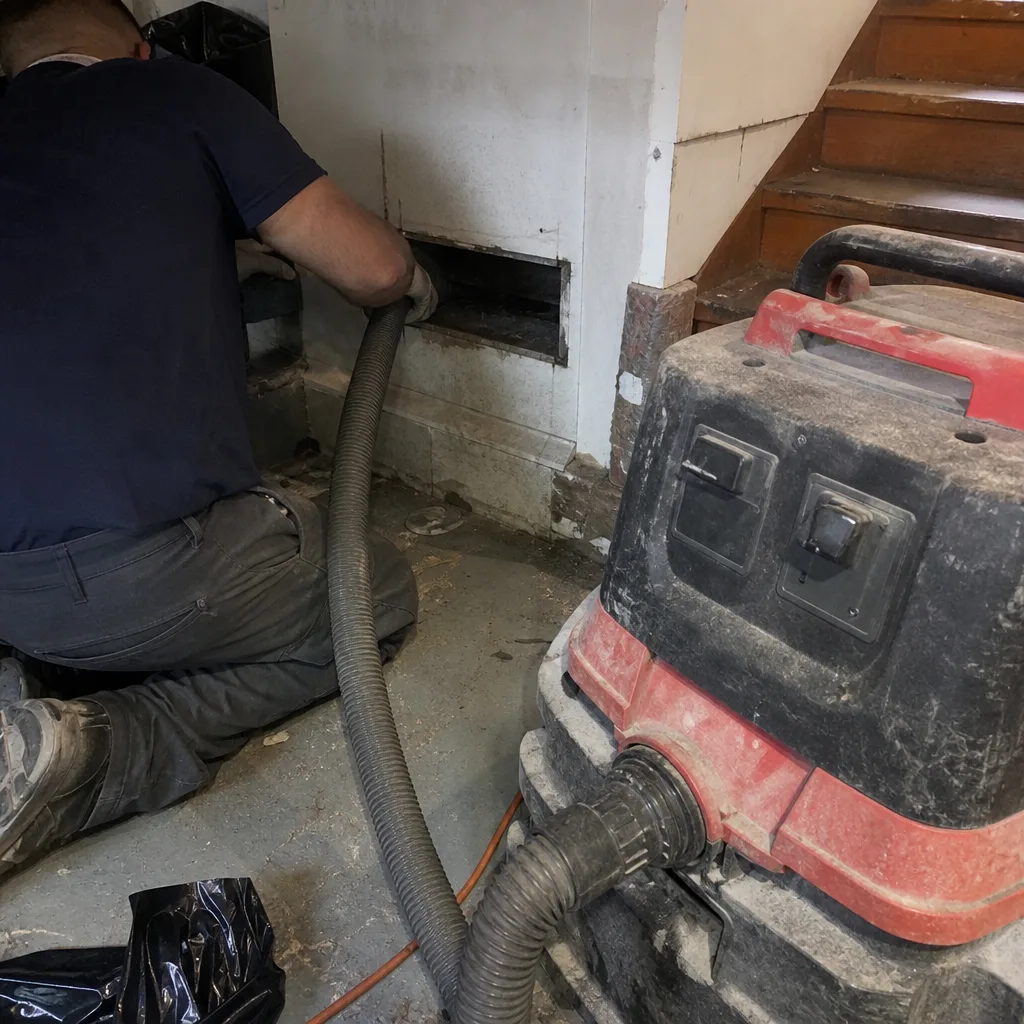 Before
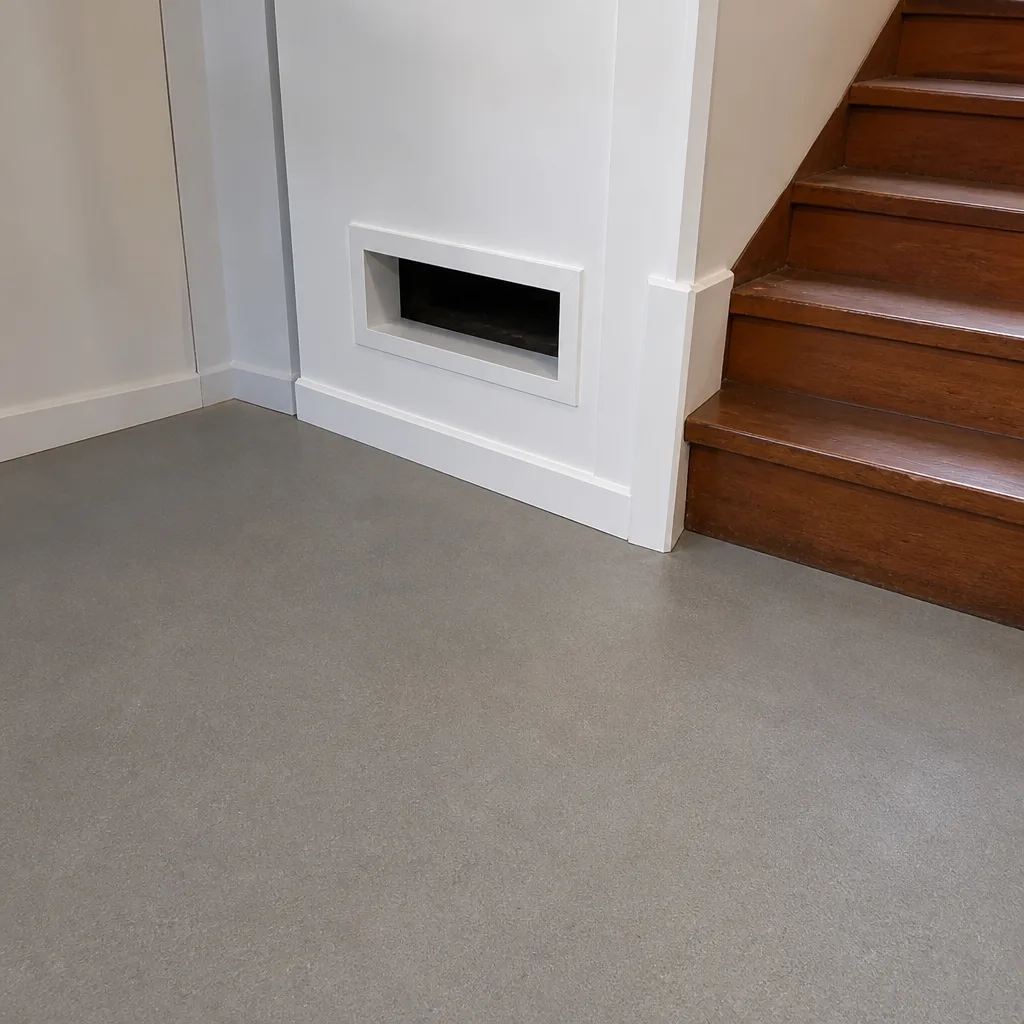 After
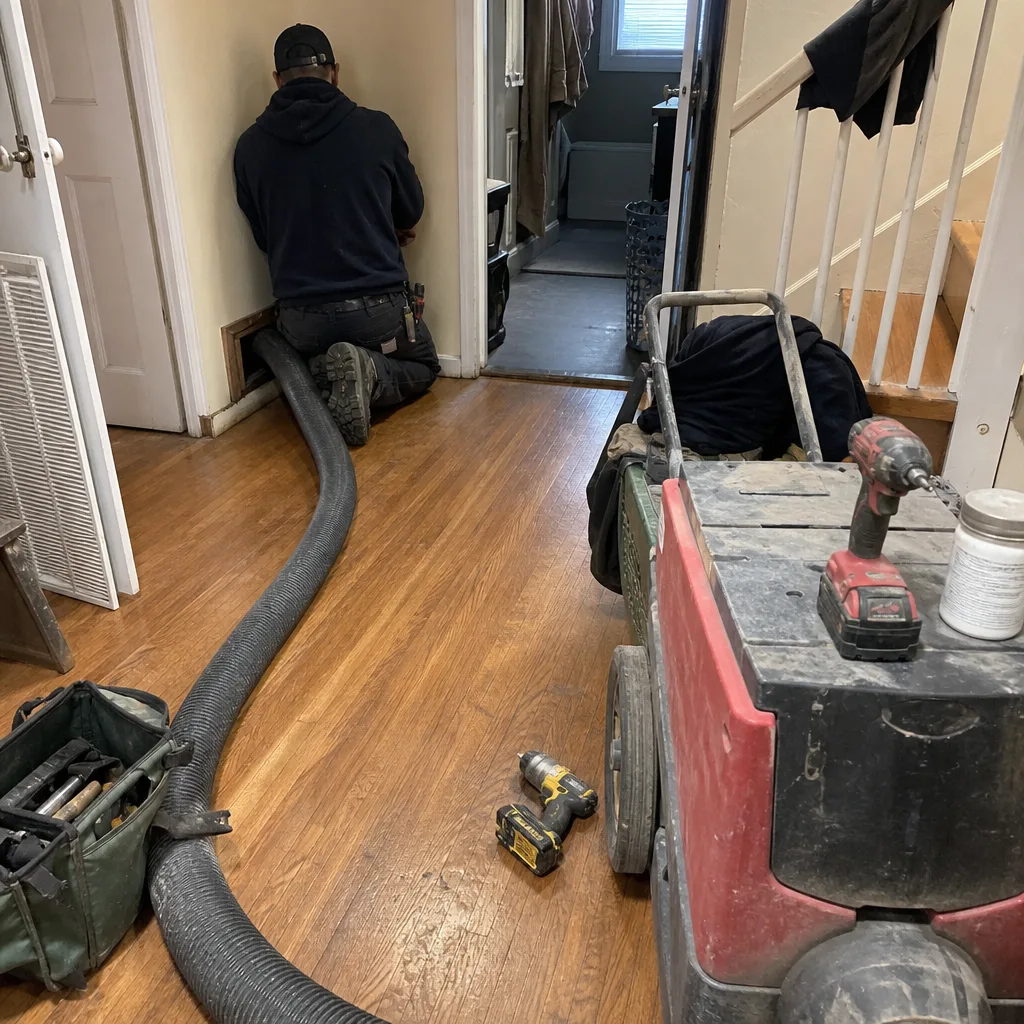 Before
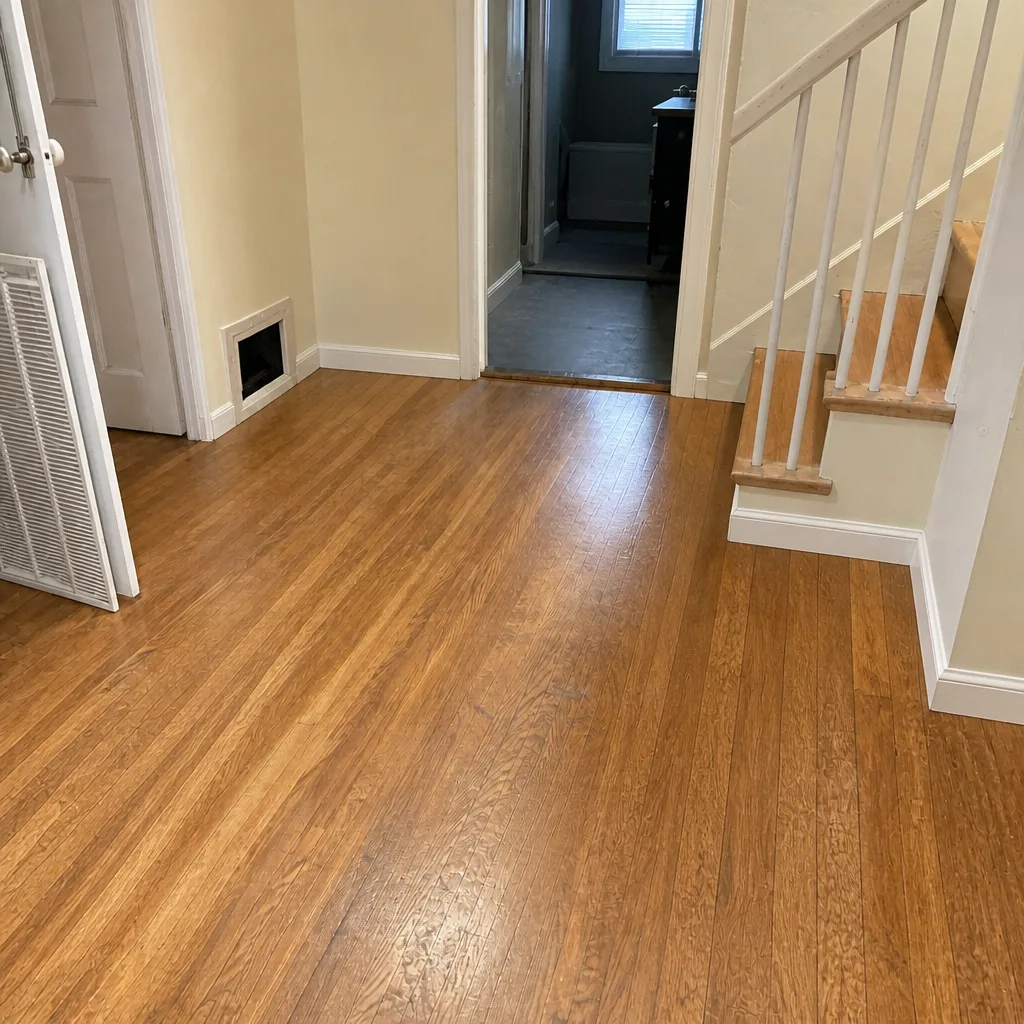 After
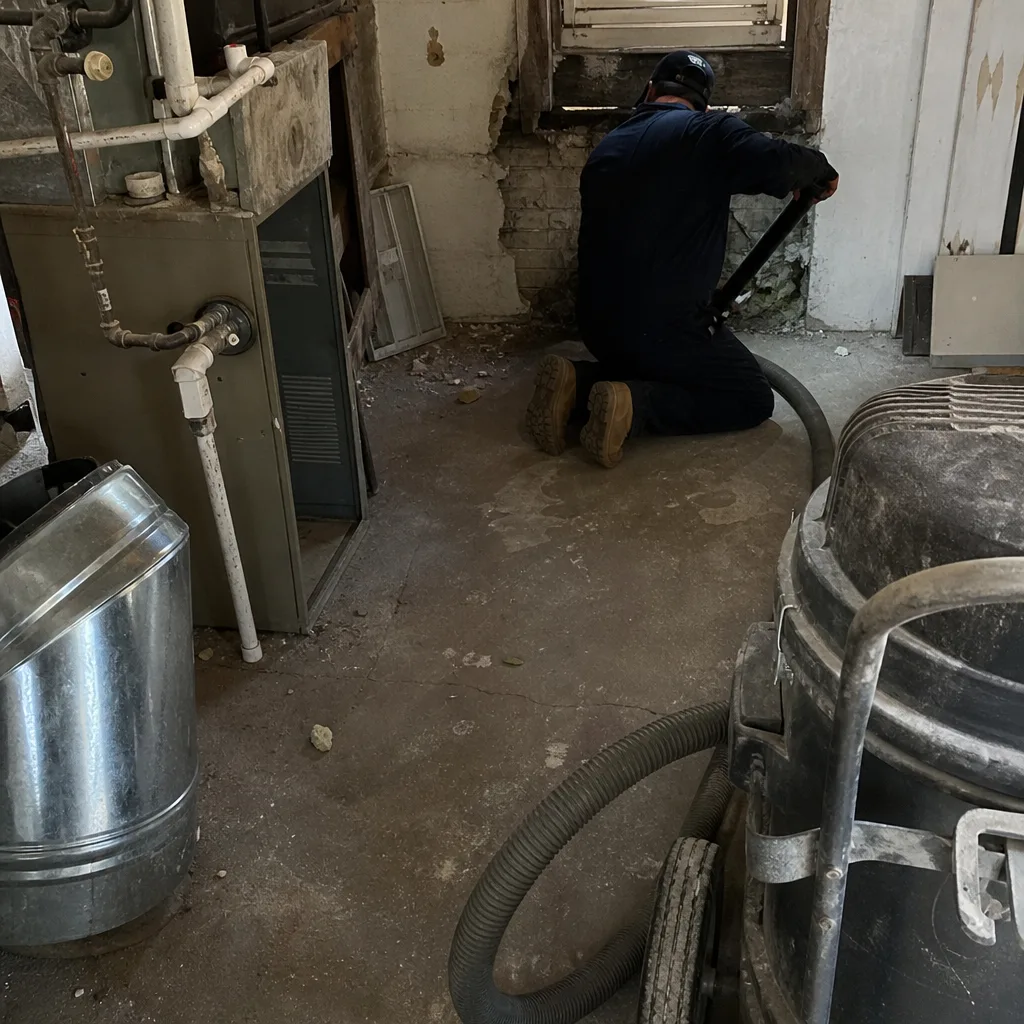 Before
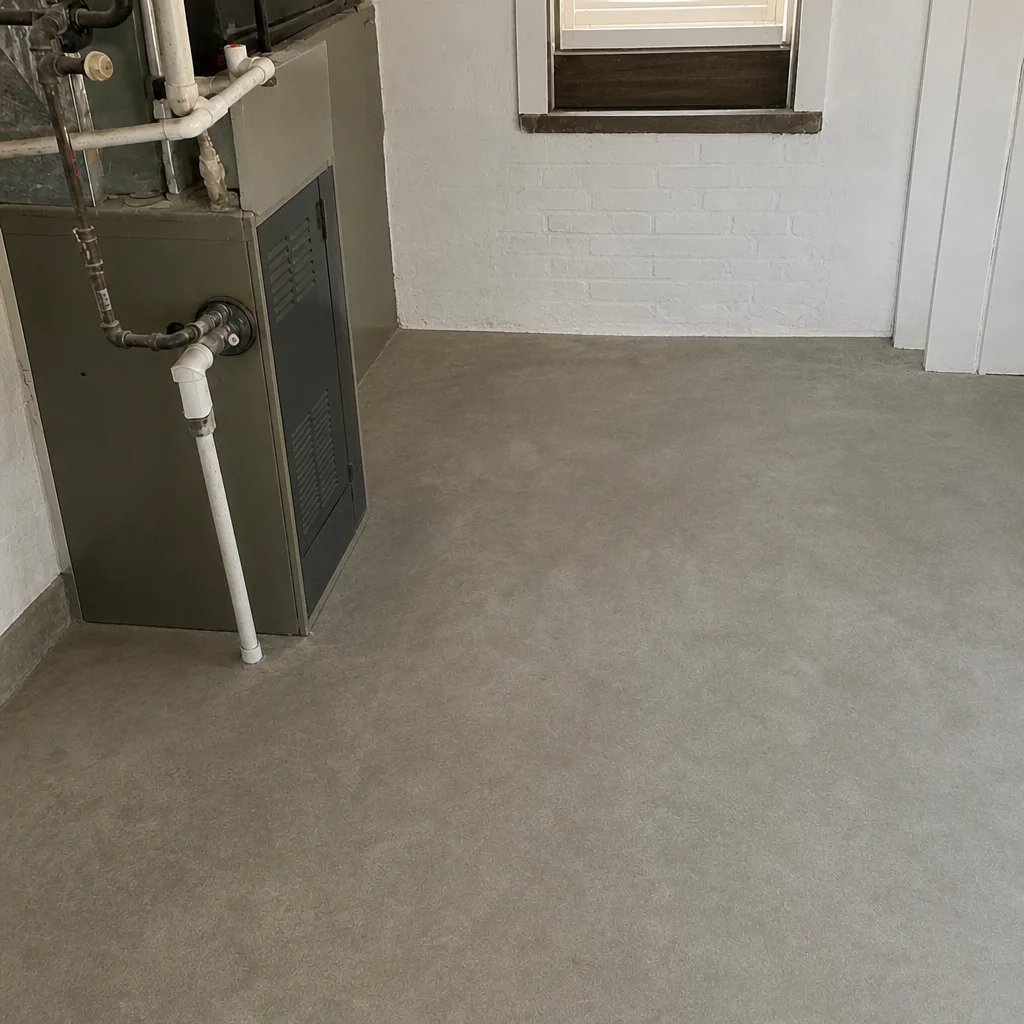 After
When to Call a Professional
Call a professional when the job is bigger than the tools you have. That includes any home with ductwork past the first few feet, any sign of mold or musty odor when the system runs, any long or convoluted dryer vent, any visible damage or disconnected run, and any home where the ductwork has been through a renovation. It also includes the straightforward case where you want the job done thoroughly and documented, with before-and-after photos so you can see your own ducts rather than take someone’s word for it. A professional assessment tells you what your system actually needs, cleaning, repair, sealing, or some combination.
Our technicians use professional-grade equipment, including Rotobrush and Nikro systems, and product lines from Honeywell and Aprilaire for sanitizing and filtration, so you’ll recognize what goes into your home. The local pro we connect you with is licensed and insured as New York requires. Air Duct Cleaning South Buffalo offers free estimates in South Buffalo: call (844) 935-2565. We answer 24/7. Fast dispatch 7am-7pm, Sunday through Friday, and we’re closed Saturday. A call outside dispatch hours is booked into the next opening.
Frequently Asked Questions
Professional whole-home duct cleaning in the South Buffalo market is quoted per system based on the size, layout, and condition of your ductwork, with the written estimate setting the final price before any work begins. We give you a flat price per system, agree on it up front, and photograph the work so you have before-and-after evidence. Call (844) 935-2565 for an exact quote; estimates are free.
Low quotes usually reflect a thinner service: a portable vacuum instead of a negative air system, no containment, no repair, and no documentation. A $30 dryer vent kit and a $100 quote share the same limitation, which is insufficient airflow and no full-system reach. If a price seems far below the others, ask exactly what the technician will do and with what equipment. A fair quote is one flat price per system, agreed before work starts. Call (844) 935-2565 with questions; estimates are free.
Ask for before-and-after photos of your own system, not a brochure image, and ask whether the technician will show you the ductwork during the job. A professional cleaning uses negative pressure and collection equipment that visibly removes material, and the photos document it. If a company can’t produce images of your ducts, that’s your answer. Call (844) 935-2565 to schedule with a team that documents the work; estimates are free.
Most homes in South Buffalo need full-system cleaning every few years, with the interval driven by the system’s condition, the household, and any renovation or mold concern. Homes with pets, recent remodeling, or long branch runs tend to need it more often; homes with a well-sealed system and clean filters can stretch the interval. Between cleanings, DIY maintenance on registers and filters keeps the system in better shape. Call (844) 935-2565 to find out what your system actually needs; estimates are free.
No. A shop vacuum typically moves in the range of 100 to 200 CFM, while ductwork requires the 2,000-plus CFM negative pressure of a contractor-grade system to actually extract debris from a residential network. The vacuum will clean the spot the hose reaches and little else. It’s fine for register grilles and filter housings; it isn’t fine for the duct runs. For a proper assessment, call (844) 935-2565.
No, and this is the one case where DIY can make the situation worse. A mold colony dispersed without containment spreads spores through the house, and the exposure is exactly what you were trying to avoid. That’s a job for professional containment and filtration equipment, including the Abatement Technologies standard used in remediation work. If you see discoloration or smell musty air when the furnace runs, call (844) 935-2565 for an assessment; estimates are free.
The Bottom Line
The DIY-versus-professional question isn’t really a choice; it’s a division of labor. Handle what your tools can actually reach, which means register grilles, filter housings, and short straight dryer runs, and call a professional for the duct network your brush kit will never touch. The gap comes down to airflow, reach, and containment, and it’s a bigger gap than most homeowners expect. South Buffalo homes with long runs, multiple stories, finished basements, or older flex duct sit squarely on the professional side of the line. Know where that line is and you’ll spend your time and money in the right places.
Air Duct Cleaning South Buffalo handles the whole system, from cleaning through repair, sealing, and sanitizing, using professional-grade equipment. Call (844) 935-2565 for a free estimate in South Buffalo. We answer 24/7. Fast dispatch 7am-7pm, Sunday through Friday, closed Saturday.
Written by the team at Air Duct Cleaning South Buffalo.